
Last updated November 15, 2026
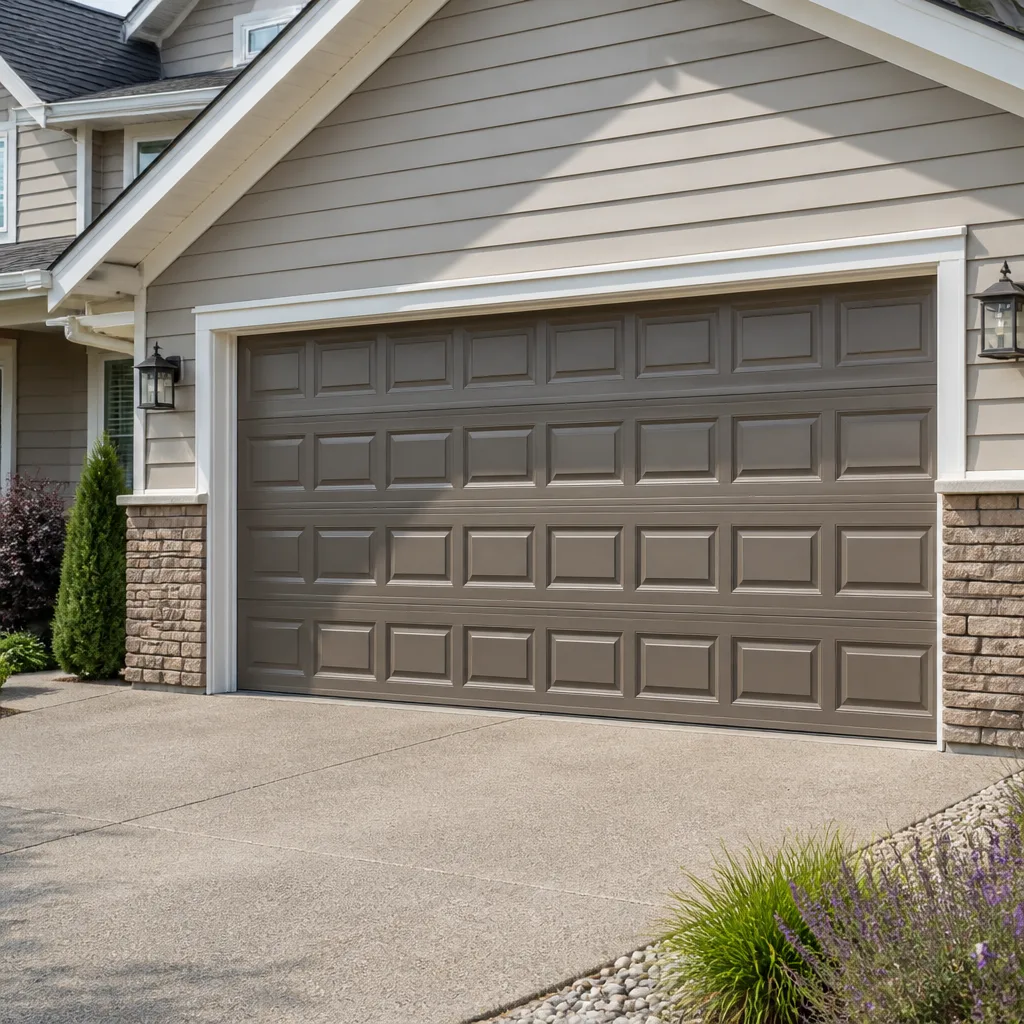 Raised-panel steel
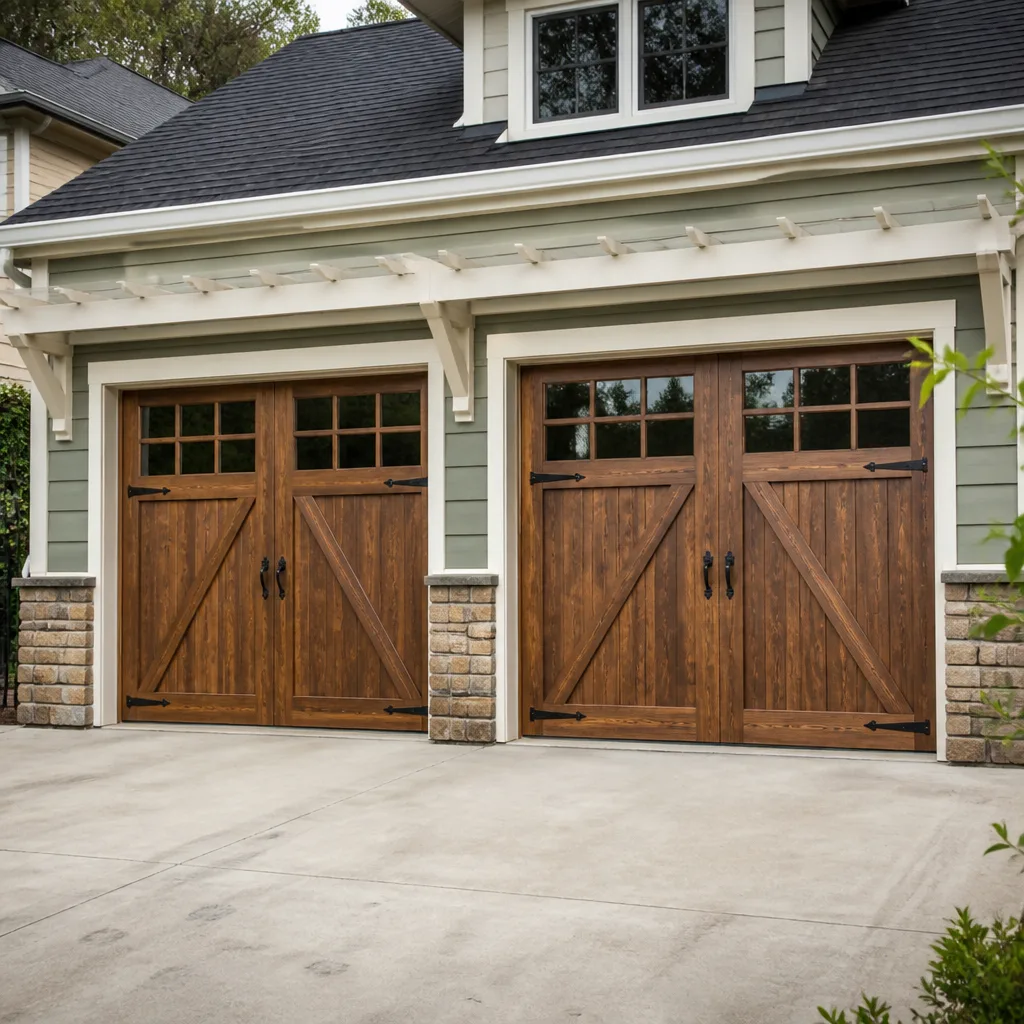 Carriage house
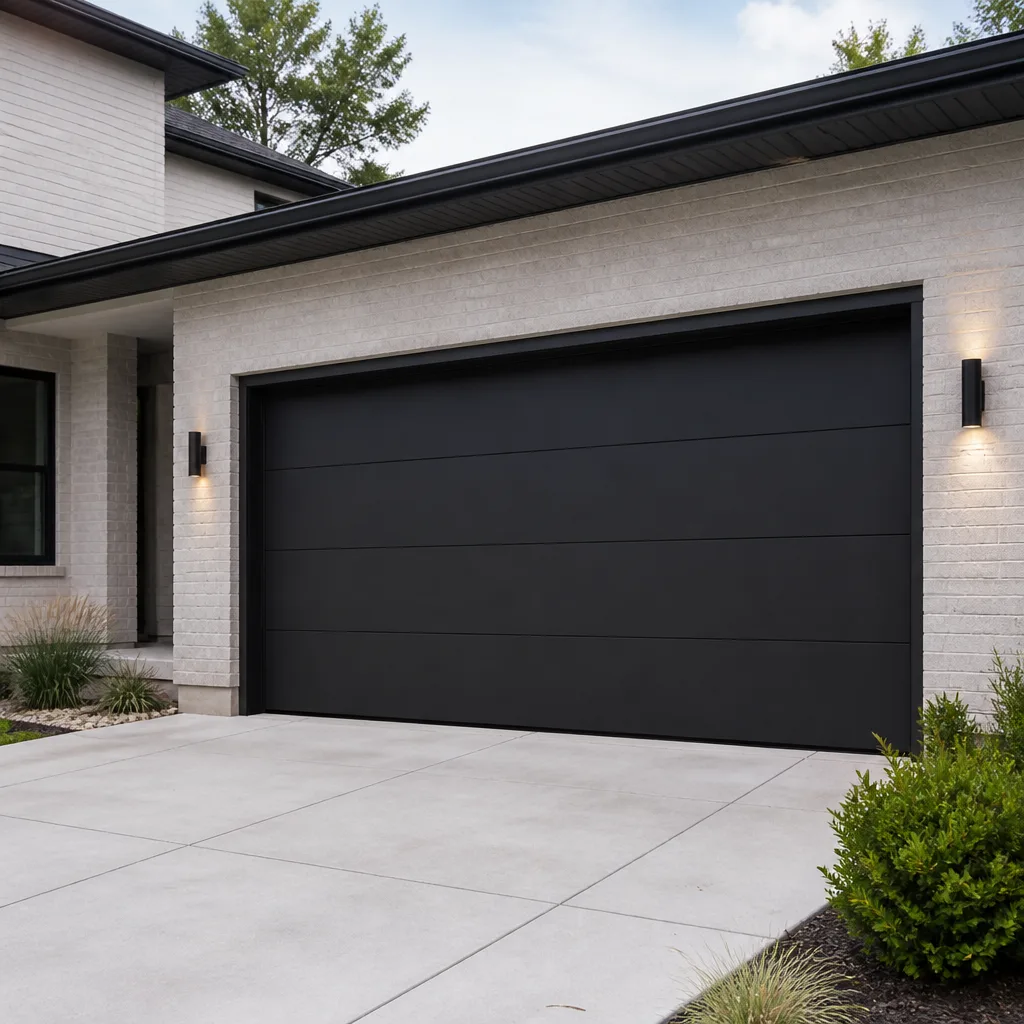 Modern flush
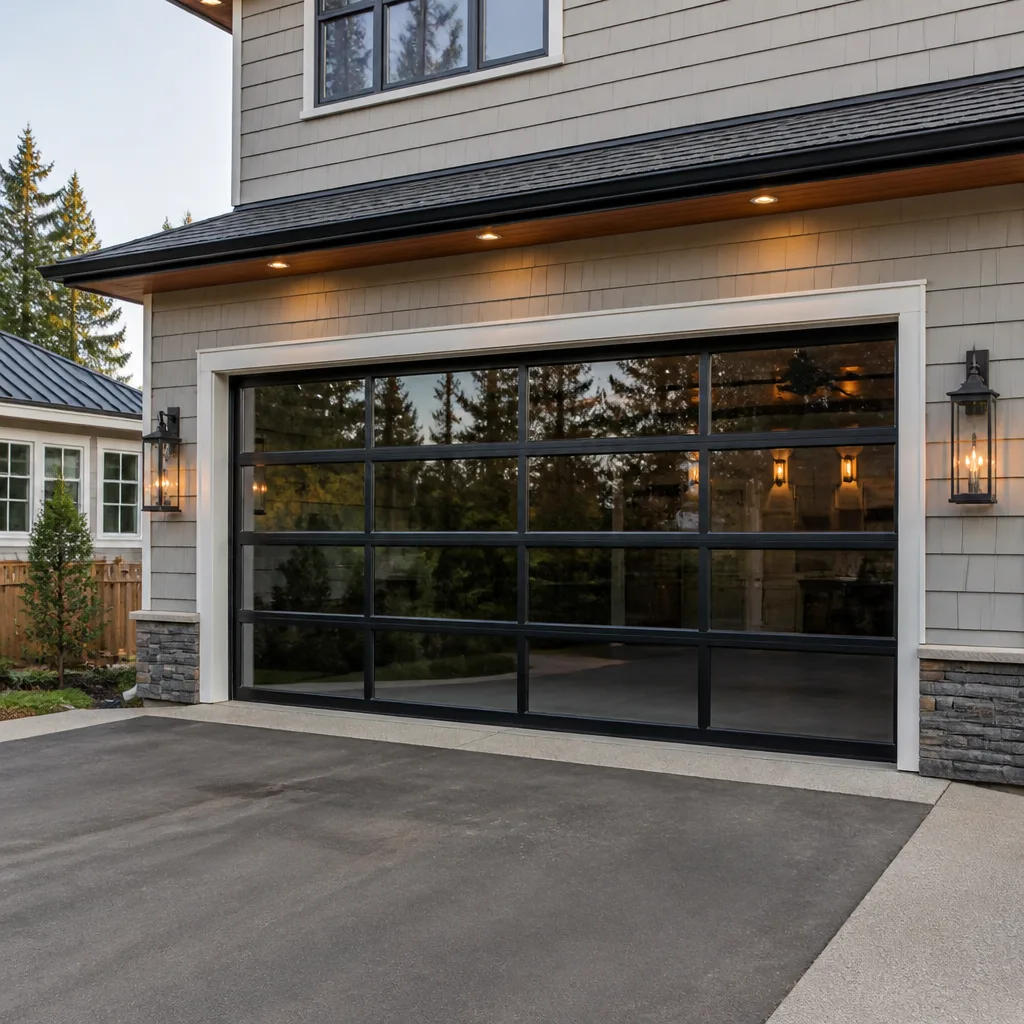 Full-view glass
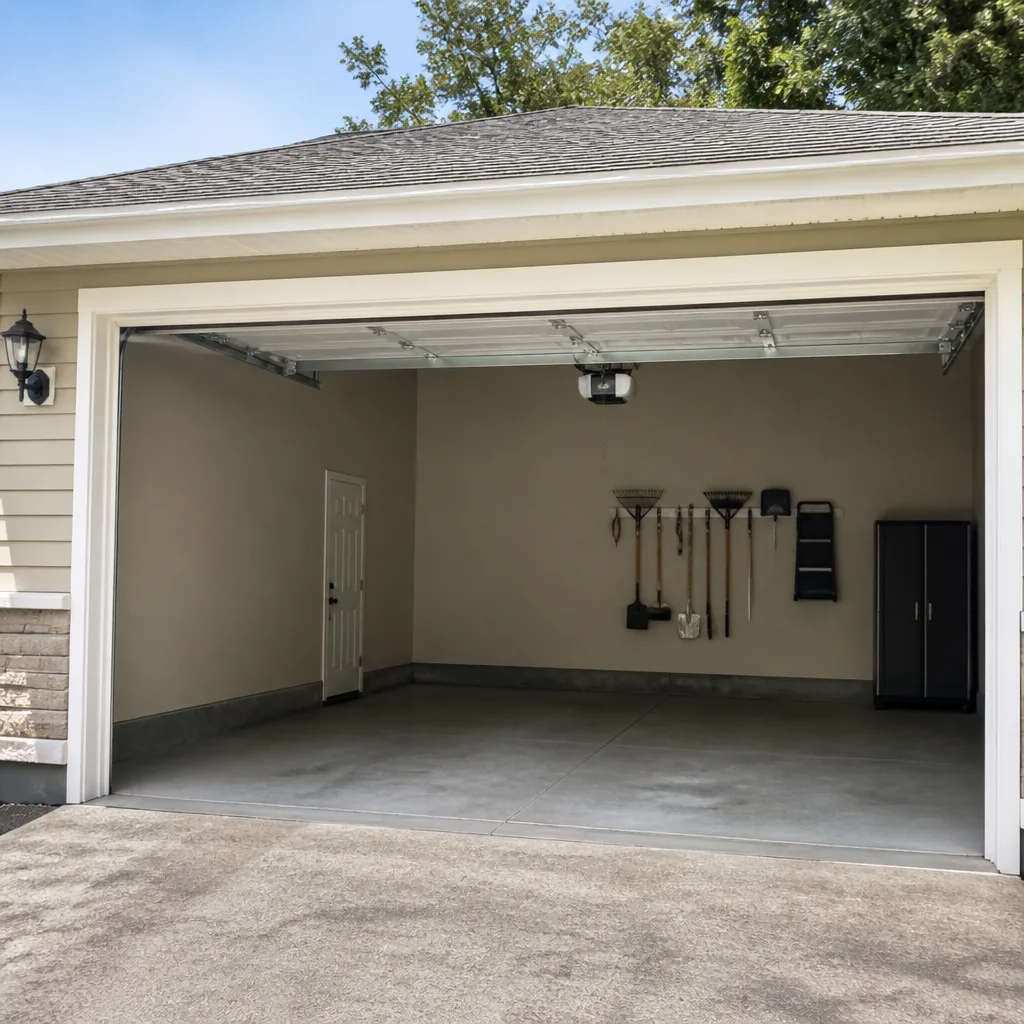 LiftMaster openers
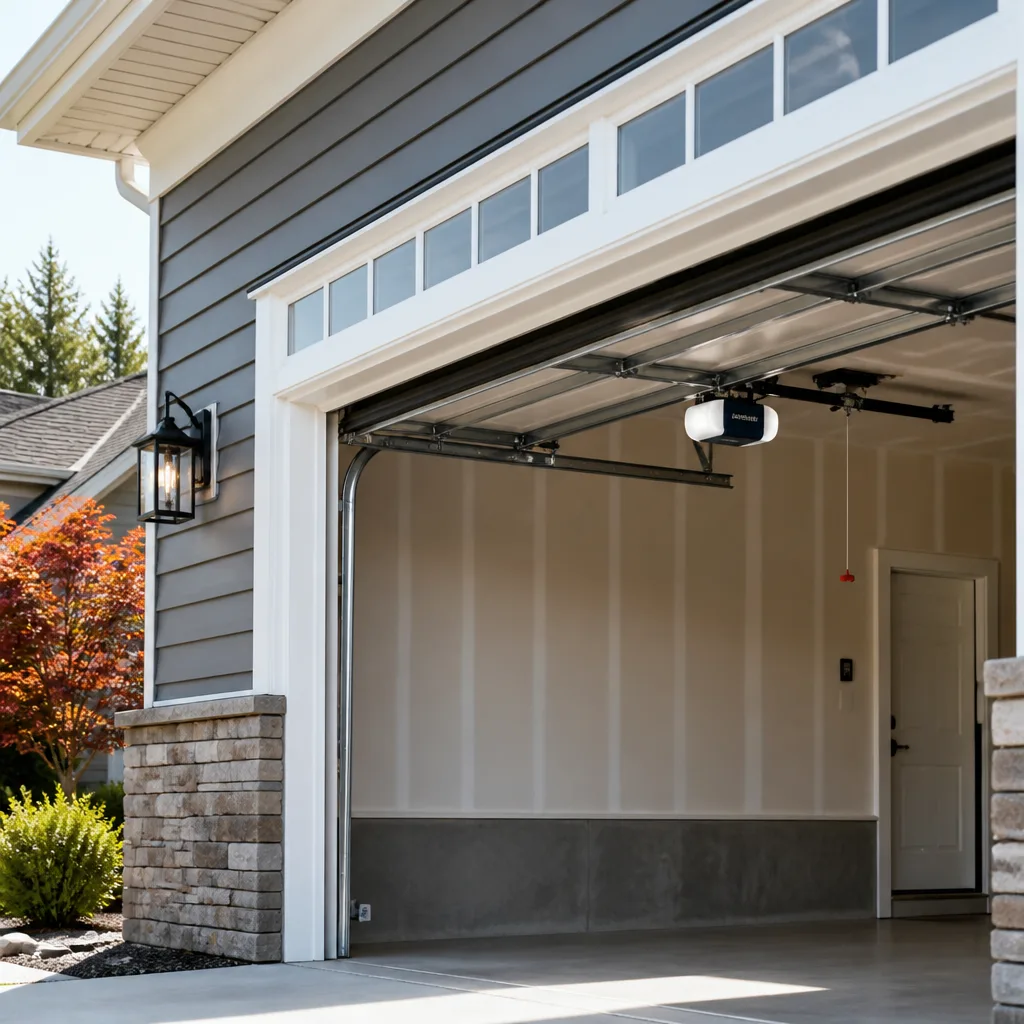 Chamberlain openers
Full 25-point door and opener safety check with every visit - springs, cables, rollers, tracks, and your LiftMaster or Chamberlain opener included
You get a price before we start. It does not change when the pro arrives.
Get your free estimateSeasonal Garage Door Care for Miramar: Year-Round Homeowner’s Guide
The month most Miramar garage doors fail isn’t August at the height of storm season. It’s October. By then, the door has spent five months bracing against wind, rain, and the pressure of repeated open-and-close cycles during storm prep, and the components that were already marginal in May finally give out. Springs lose tension, cables fray, tracks shift. The failure isn’t sudden; it’s the delayed result of stress that built up all summer. This guide reframes garage door care around Miramar’s two real seasons, hurricane season and dry season, and shows you what to check, when to check it, and how to spot trouble before it strands your car or compromises your home’s security.
Quick Answer
Garage door care in Miramar follows two seasonal cycles, not four. From April through May, before hurricane season starts, you load-test springs, inspect bracing brackets, and verify the manual release. From June through November, during hurricane season, you check the door before and after storms and watch for panel misalignment, track damage, and opener strain. December through March, the dry season, is your maintenance window for lubrication, roller replacement, and balance adjustment. Year-round, humidity management keeps spring corrosion in check.
Styles & brands we work with
- Raised-panel steel
- Carriage house
- Modern flush
- Full-view glass
- LiftMaster openers
- Chamberlain openers
Table of Contents
- Pre-Season Protocol: April and May
- In-Season Care: June Through November
- Post-Storm Inspection Sequence
- Dry-Season Maintenance Window: December Through March
- Year-Round Humidity Management
- Brand-Specific Care Notes for Miramar Homes
- Common Mistakes to Avoid
- When to Call a Professional
Pre-Season Protocol: April and May
April and May are when you prepare a Miramar garage door for the stress of hurricane season. This isn’t about storm-proofing the door itself; it’s about making sure every component is strong enough to handle months of wind pressure, rain intrusion, and the mechanical wear that comes with repeated storm prep. A door that’s balanced and properly braced in May is far less likely to fail in September.
Start with the springs. Garage door springs are under extreme tension, and a weakened spring can snap without warning. You can’t safely inspect a torsion spring by touching it or trying to measure its tension. What you can do is watch and listen: does the door feel heavier than usual when you lift it manually? Does it open unevenly, or does the opener strain more than it used to? Those are signs a spring is losing tension. If you notice any of them, call a trained technician. Spring adjustment and replacement are not DIY tasks; the stored energy in a torsion spring can cause serious injury.
Next, inspect the hurricane bracing brackets if your door has them. Many Miramar homes use reinforced doors or add horizontal bracing to meet wind-load requirements. Check that the brackets are tight against the door panel and that no bolts have worked loose over the dry season. If a bracket is bent or a bolt is missing, the door’s wind resistance is compromised.
Finally, test the manual release. Every garage door opener has a red emergency release handle. Pull it with the door closed, then lift the door by hand. It should move smoothly and stay open about halfway. If the door slams down or feels unusually heavy, the springs or cables need attention. Reengage the release and call a technician before storm season arrives.
- Springs: Listen for uneven movement, watch for a door that feels heavy; do not touch torsion springs.
- Bracing brackets: Tighten loose bolts and replace bent brackets before June.
- Manual release: Pull the handle, lift the door, confirm it stays open. If it doesn’t, call for service.
In-Season Care: June Through November
Hurricane season in Miramar runs from June through November, and during those months your garage door becomes part of your home’s storm envelope. The door faces wind pressure, rain driven at an angle, and the mechanical stress of being opened and closed more often as you move cars, generators, and storm supplies in and out. Care during this window is about monitoring, not overhauling.
Before a storm approaches, close the door and check that it seals evenly against the floor. A gap at one corner lets wind-driven rain in, and that water can reach the opener motor and track hardware. If you have a hurricane-rated door, confirm that all locking bars or wind locks are engaged according to the manufacturer’s instructions. If your door uses a Wayne Dalton or Raynor system with specific wind-load hardware, follow that brand’s guidance for securing the door before a storm.
After a near-miss or a direct hit, don’t just open the door and go back to normal. Walk around the inside of the garage and look at the tracks. Are they still parallel? Has any section pulled away from the wall? Look at the panels: is there a visible gap between sections, or does the door look slightly crooked when closed? These are signs of impact or wind stress. Run the opener once and listen. An opener that strains, clicks, or reverses immediately is telling you something shifted.
If the door opens and closes smoothly after a storm, you’re likely fine. But if you notice any change in sound, speed, or alignment, stop using the opener and call for garage door repair. A misaligned door can damage the opener motor or cause a cable to jump a drum, and that turns a minor adjustment into a major repair.
Post-Storm Inspection Sequence
After any significant storm in Miramar, work through this sequence before you resume normal use of your garage door. The goal is to catch damage before it gets worse.
- Look at the door from the outside. Stand in the driveway and check that the door sits flush in the frame. A door that’s visibly crooked or has a panel pushed in needs professional attention.
- Inspect the tracks. Run your hand along the inside of each track (with the door closed and the opener disengaged). Feel for dents, kinks, or sections that have pulled away from the wall. Even a small dent can cause a roller to bind.
- Check panel alignment. With the door closed, look across the seams between panels. If one panel is higher or lower than its neighbor, the hinges or the panel itself may be damaged.
- Test the opener. Reengage the manual release and run the door through one full open-and-close cycle. Listen for grinding, straining, or unusual clicks from the motor. If the opener is a LiftMaster or Craftsman unit with battery backup, check that the battery still holds a charge after an outage.
- Check the safety reverse. Place a small object in the door’s path and close it. The door should reverse on contact. If it doesn’t, the opener’s safety system needs adjustment before you use the door again.
If any step in this sequence reveals a problem, don’t force the door. Call a technician who can assess the damage and make the repair safely. A door that’s out of alignment after a storm is a hazard, not just an inconvenience.
Dry-Season Maintenance Window: December Through March
December through March is Miramar’s dry season, and it’s the right time to do the maintenance work that keeps a garage door running smoothly through the next storm season. The weather is milder, the door isn’t under storm stress, and you have time to address wear items before they become failures.
Lubrication is the first task. Use a garage-door-specific lubricant on the hinges, rollers, and torsion spring (if the spring is a type that can be lubricated; some sealed springs should not be lubricated). Don’t use WD-40 or general-purpose oil; those attract dust and gum up over time. A silicone-based or lithium-based garage door lubricant is the right choice. Apply it to the moving parts, then run the door through a few cycles to distribute it.
Roller replacement is the second task. Nylon rollers wear out after years of use and can develop flat spots that make the door noisy and jerky. If your door sounds like it’s rumbling or vibrating as it moves, the rollers are likely worn. Replacing them is a straightforward job for a technician and makes a noticeable difference in how quietly the door operates. Metal rollers can also wear, though they tend to last longer; if you have metal rollers and they’re noisy, a technician can tell you whether they need replacement or just lubrication.
Balance adjustment is the third task. Disconnect the opener and lift the door halfway by hand. A balanced door should stay in place when you let go. If it drifts down, the springs need adjustment. If it drifts up, the springs are too tight. Either way, a technician should make the adjustment; spring tension is dangerous to adjust without the right tools and training.
The dry season is also the best time to schedule garage door opener repair or a full opener inspection. If your opener is a Genie or Chamberlain unit that’s been running for years, a technician can check the motor, the logic board, and the safety sensors while the weather is mild and the door isn’t in daily storm-prep use.
- December: Lubricate hinges, rollers, and spring (if applicable).
- January: Inspect and replace worn rollers.
- February: Test door balance; adjust springs if needed.
- March: Full opener inspection and safety reverse test.
Year-Round Humidity Management
Miramar’s humidity is a year-round factor that most garage door care guides ignore. High humidity accelerates corrosion on metal components, especially the springs and cables that carry the door’s weight. A spring that would last years in a dry climate can corrode faster in a humid garage, and corrosion weakens the metal from the inside out.
The fix isn’t complicated: ventilate the garage. If your garage has windows or vents, keep them open when the weather allows. If it doesn’t, a small fan running during humid months can keep air moving and reduce condensation on the door hardware. Check the springs and cables for rust or pitting during your dry-season inspection; if you see either, have a technician assess whether the component needs replacement.
Humidity also affects the door panels themselves. Steel doors can rust at the bottom edge where water collects, and wood doors can swell and warp. Check the bottom seal and the panel edges during your seasonal inspections. A door that’s sealed and painted properly resists humidity better than one with bare spots or cracks.
In our experience, the Miramar homes that have the fewest spring and cable problems are the ones where the garage stays ventilated and the hardware gets lubricated on a regular schedule. It’s a small habit that pays off over time.
Brand-Specific Care Notes for Miramar Homes
Most garage doors in Miramar come from a handful of manufacturers, and each brand has its own maintenance quirks. Knowing what brand you have helps you care for it correctly.
LiftMaster and Chamberlain openers (which share much of their internal design) use a safety reverse system that relies on sensors at the bottom of the door tracks. Those sensors can drift out of alignment over time, especially after a storm or a track bump. Check them during your post-storm inspection. Genie openers have a similar system but with different sensor mounting; if your Genie opener is beeping or the door reverses for no reason, the sensors are the first thing to check. Craftsman openers, many of which are older units still in service, may need a logic board check if the door stops responding to the remote.
On the door side, Wayne Dalton doors often use a proprietary spring system that requires specific replacement parts, so it’s worth knowing your model number before you call for service. Raynor doors are common on newer Miramar homes and use standard torsion springs, which are straightforward to service. If you’re not sure what brand you have, the label is usually on the inside of the door panel or on the opener motor housing.
We’re factory-familiar with eight of the most-installed brands, including LiftMaster, Chamberlain, Genie, Clopay, Amarr, Wayne Dalton, Craftsman, and Raynor, so you don’t have to wonder whether your system is supported. Your brand. Our expertise.
Common Mistakes to Avoid
- Ignoring a door that feels heavy. A door that’s harder to lift than it used to be is telling you the springs are losing tension. Waiting until it won’t open at all turns a spring adjustment into a full replacement, often at the worst possible time.
- Using the wrong lubricant. WD-40 and general-purpose oil attract dust and gum up hinges and rollers. Use a garage-door-specific lubricant, and apply it sparingly.
- Skipping the manual release test. If the power goes out during a storm and your manual release doesn’t work, you’re stuck. Test it in April, not in August when you need it.
- Forcing a misaligned door after a storm. Running the opener on a door with a bent track or a shifted panel can damage the motor and the door. If the door looks crooked, stop and call for service.
- Ignoring humidity. Letting a garage stay closed up and humid accelerates spring and cable corrosion. Ventilate when you can, and check for rust during your dry-season inspection.
- Assuming a new opener fixes an old door. If the door itself is out of balance or the springs are weak, a new opener will strain and fail prematurely. Fix the door first, then the opener.
- Putting off the dry-season maintenance window. December through March is the easiest time to lubricate, replace rollers, and adjust balance. Skipping it means going into hurricane season with worn parts.
When to Call a Professional
Some garage door tasks are safe for a homeowner: lubricating hinges, checking the manual release, and visually inspecting tracks and panels. But several situations demand a trained technician. If a spring is broken or losing tension, if a cable is frayed or off its drum, if the door is visibly out of alignment after a storm, or if the opener strains, clicks, or reverses for no reason, call a professional. These components store dangerous energy, and an inexperienced repair can cause injury or further damage.
If you’re in Miramar and you’re not sure whether your door needs service, a free estimate is the simplest way to find out. Denali Garage Door Repair offers free estimates in Miramar. Call (866) 552-3599. We answer 24/7. Fast dispatch from 7am to 7pm, Sunday through Friday. Your written estimate sets the price before any work starts.
See the difference
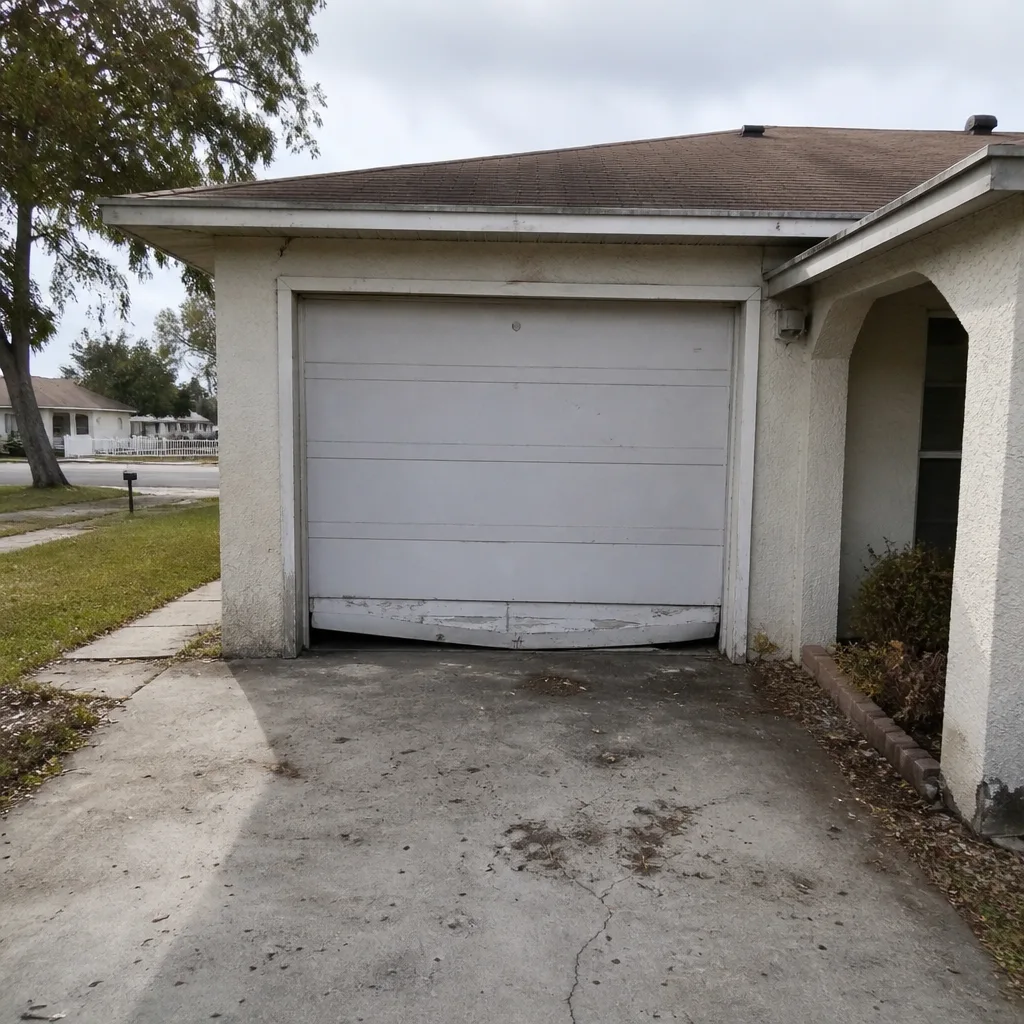 Before
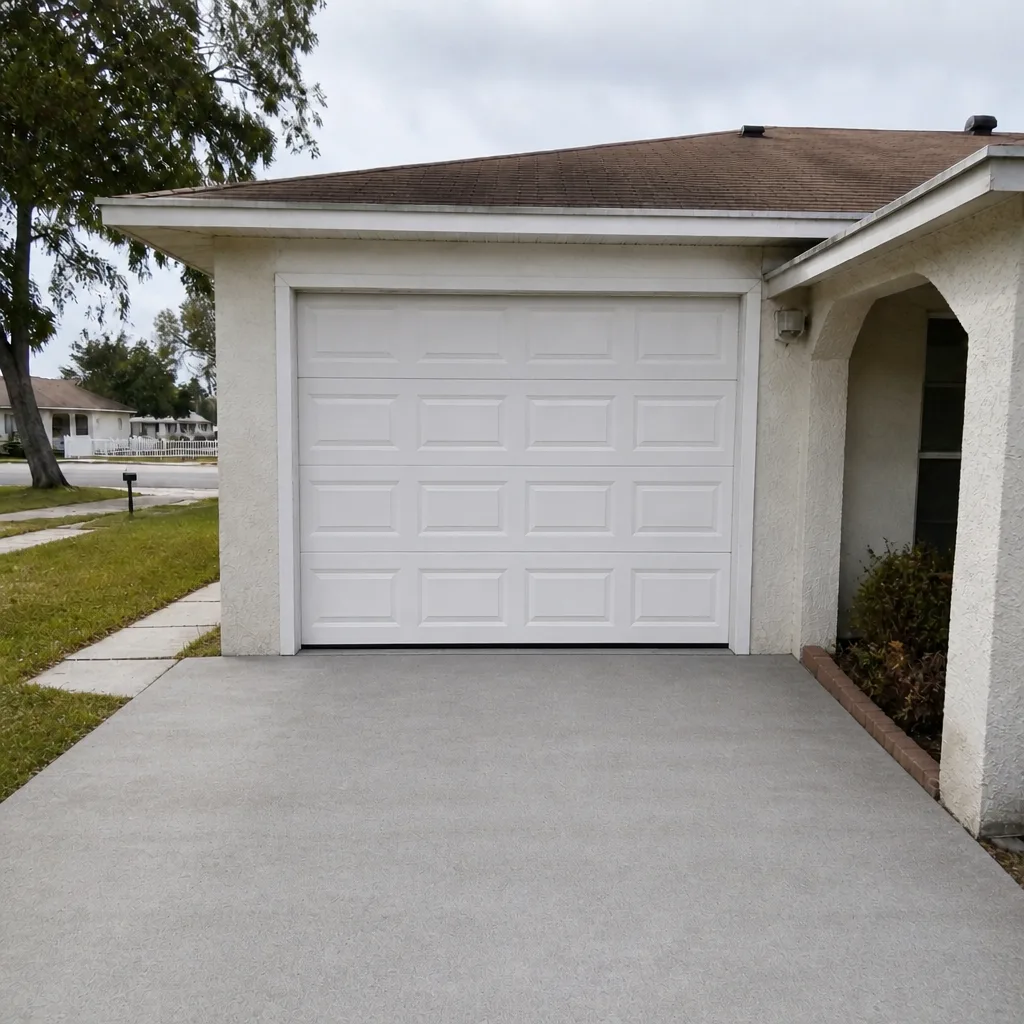 After
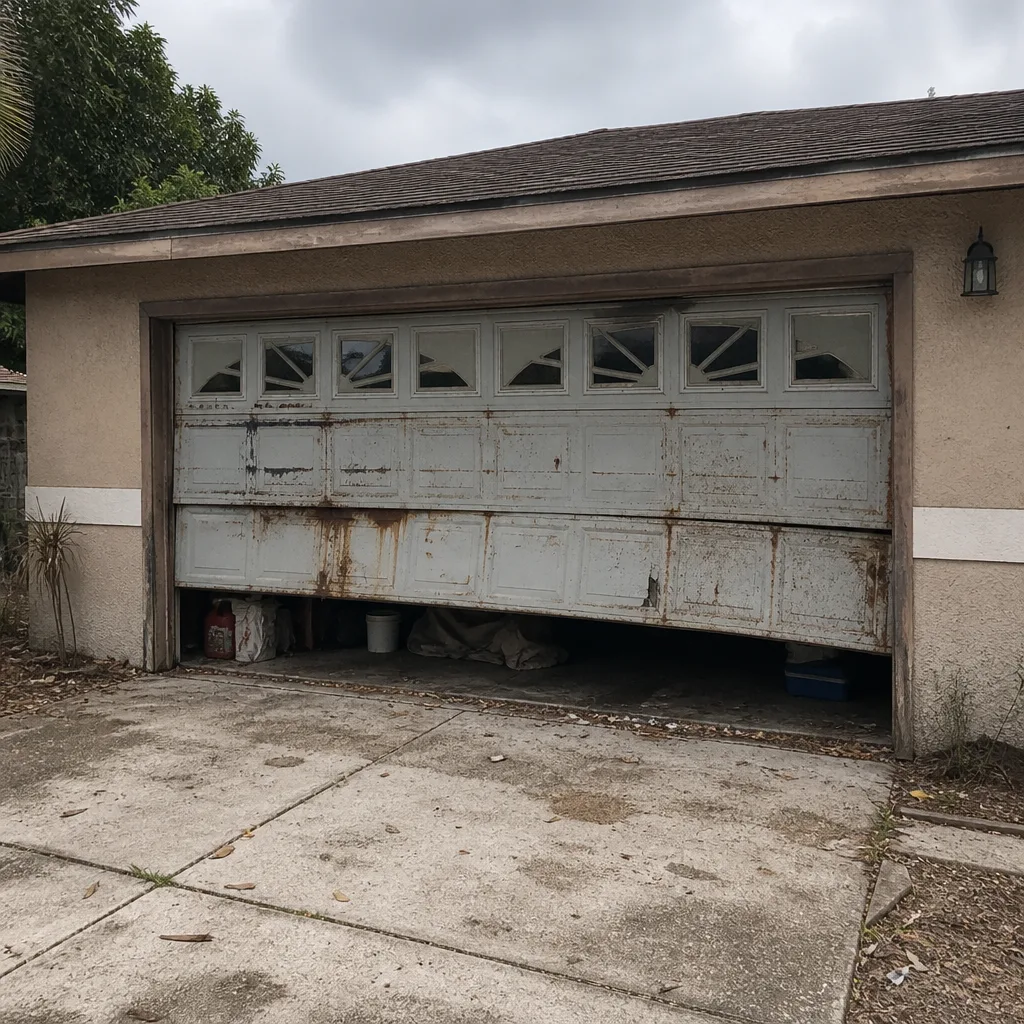 Before
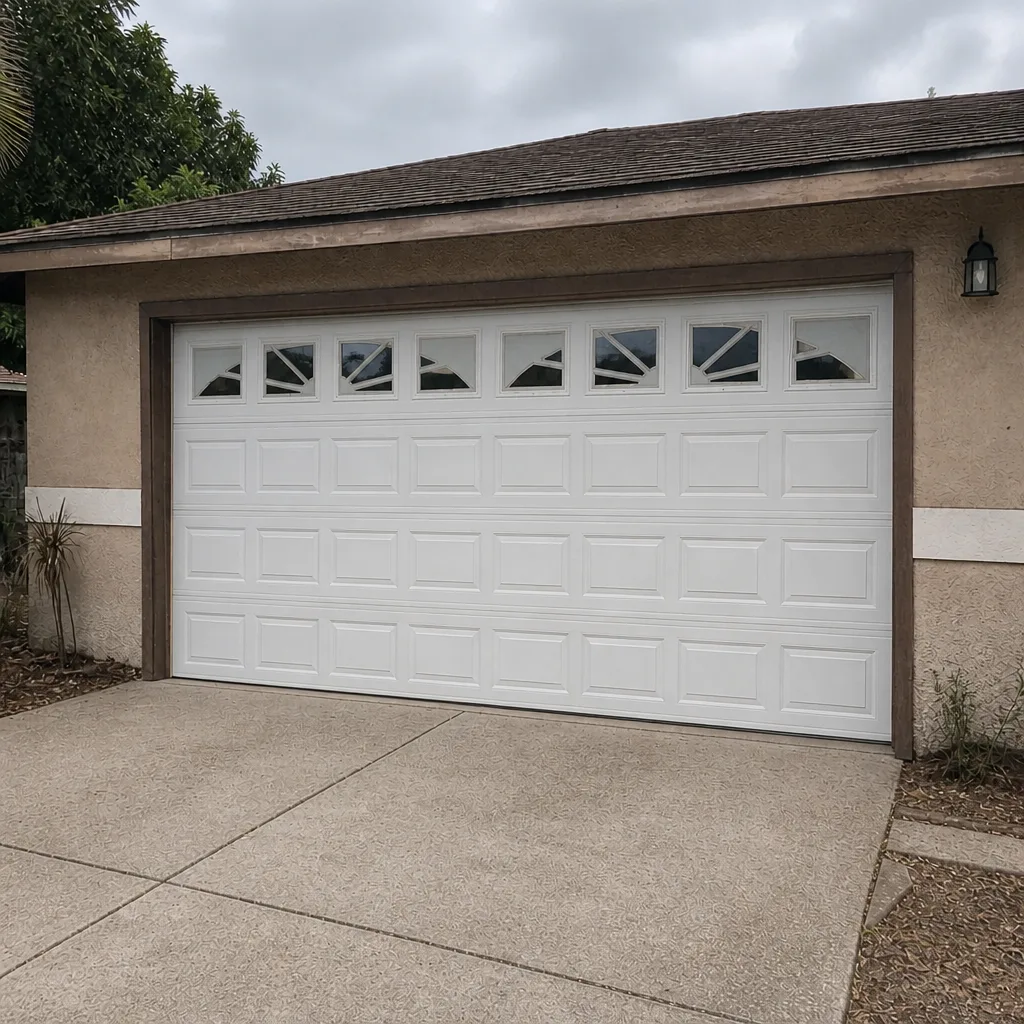 After
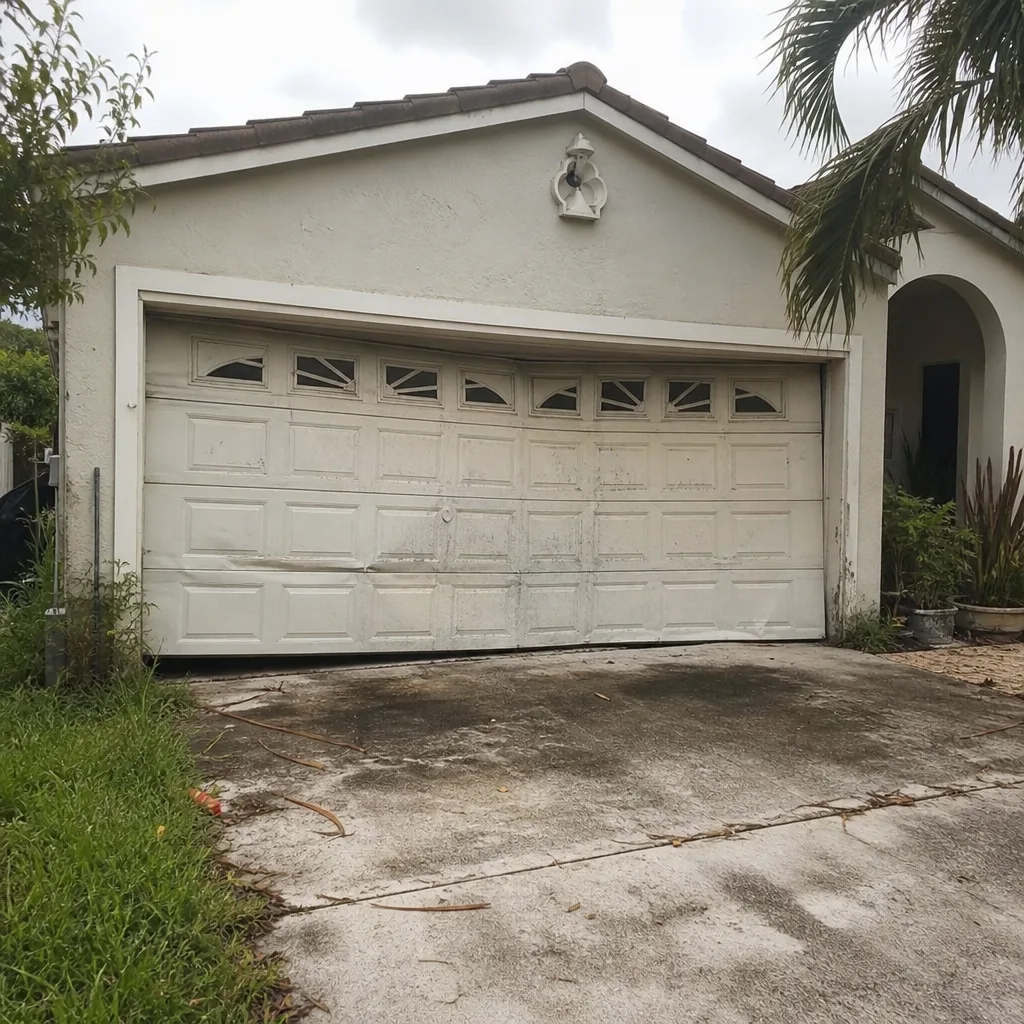 Before
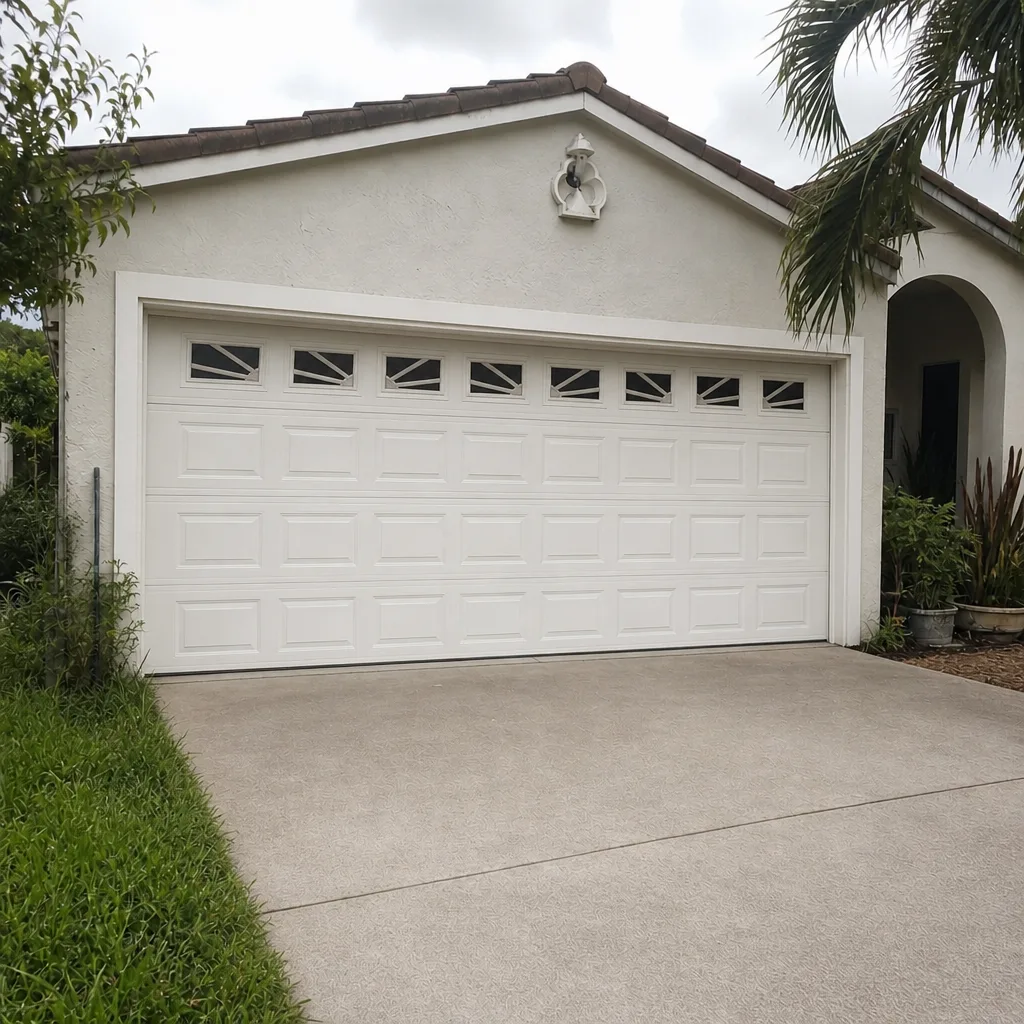 After
Frequently Asked Questions
Twice a year: once in April or May before hurricane season, and once in December or January during the dry season. The pre-season visit focuses on springs, bracing, and the manual release; the dry-season visit covers lubrication, rollers, and balance. If your door gets heavy use or you’ve had a storm come through, add a post-storm inspection. Call (866) 552-3599 for a free estimate if you’re not sure when your door was last serviced.
You can lubricate the hinges and rollers safely, but torsion springs are under extreme tension and should not be handled by anyone without training. A visual check for rust or corrosion is fine; touching or adjusting a torsion spring is not. If you see rust or notice the door feels heavy, call a technician. Call (866) 552-3599 for a free estimate.
First, check the manual release. Pull the red handle and try lifting the door by hand. If it lifts smoothly, the problem is likely the opener or a power issue; if it feels heavy or won’t move, the springs or cables may be damaged. Don’t force it. Call (866) 552-3599 and we’ll schedule a technician to assess it. We answer 24/7.
Humidity accelerates corrosion on springs and cables and can cause wood doors to swell. Ventilating the garage and lubricating moving parts on a regular schedule reduces the effect. Check for rust during your dry-season inspection and have any corroded components assessed before they fail. Call (866) 552-3599 for a free estimate.
No. We quote the price and agree it with you before any work starts. The written estimate sets the final price. If we find something unexpected during the repair, we’ll show you and quote the additional work before we proceed. Call (866) 552-3599 for a free estimate.
Yes. Our technicians are licensed and insured, and they have up to 15 years of experience working on garage doors and openers from major brands including LiftMaster, Chamberlain, Genie, Clopay, Amarr, Wayne Dalton, Craftsman, and Raynor. Call (866) 552-3599 for a free estimate in Miramar.
The Bottom Line
Miramar’s climate doesn’t give you four seasons to work with; it gives you hurricane season and dry season, and each demands different care. The pre-season protocol in April and May catches spring, bracing, and release problems before the stress begins. In-season monitoring from June through November helps you spot storm damage early. The dry-season window from December through March is your time for lubrication, rollers, and balance. And year-round humidity management keeps corrosion from eating your springs and cables. If you follow this rhythm, you’ll spend less time dealing with failures and more time with a door that works when you need it. When something does go wrong, or when you want a professional eye on your system, call Denali Garage Door Repair at (866) 552-3599 for a free estimate. We answer 24/7. Fast dispatch from 7am to 7pm, Sunday through Friday.
Written by the team at Denali Garage Door Repair.