
Last updated November 15, 2026
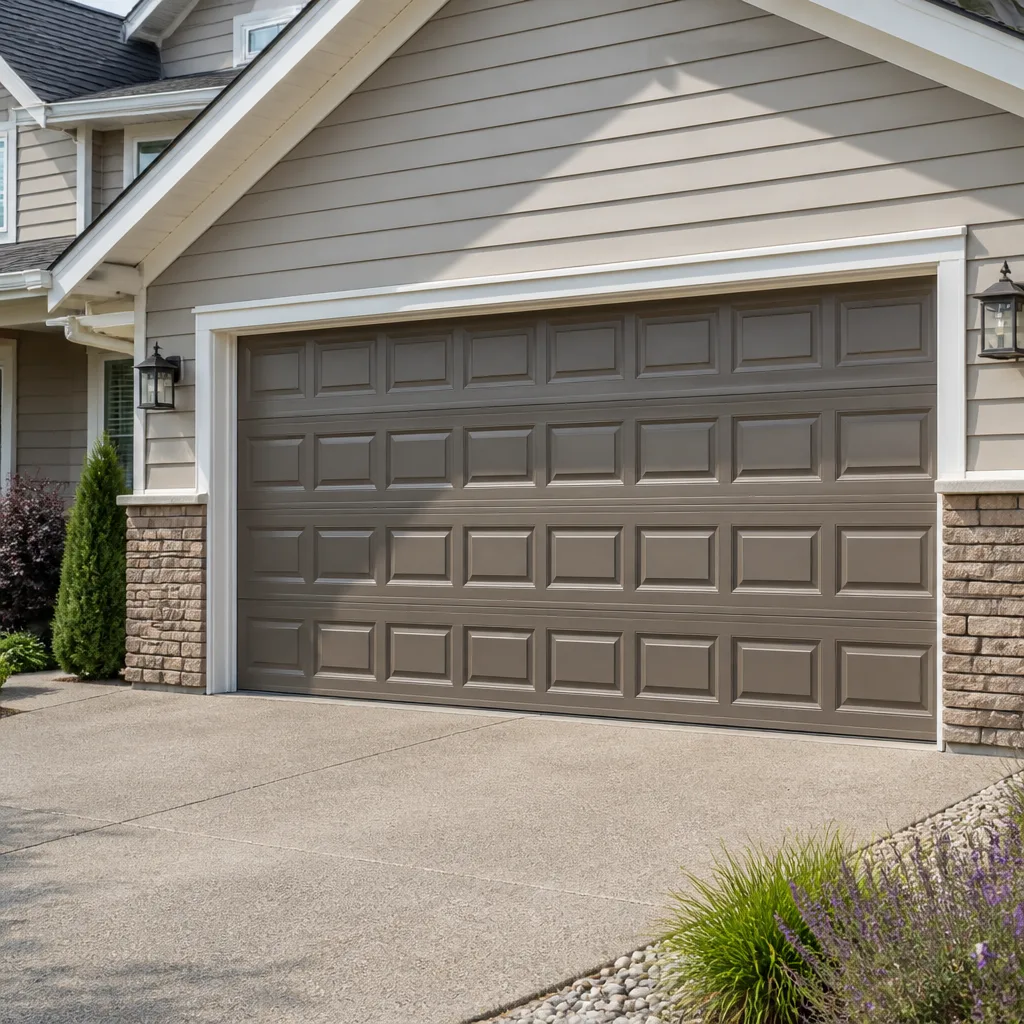 Raised-panel steel
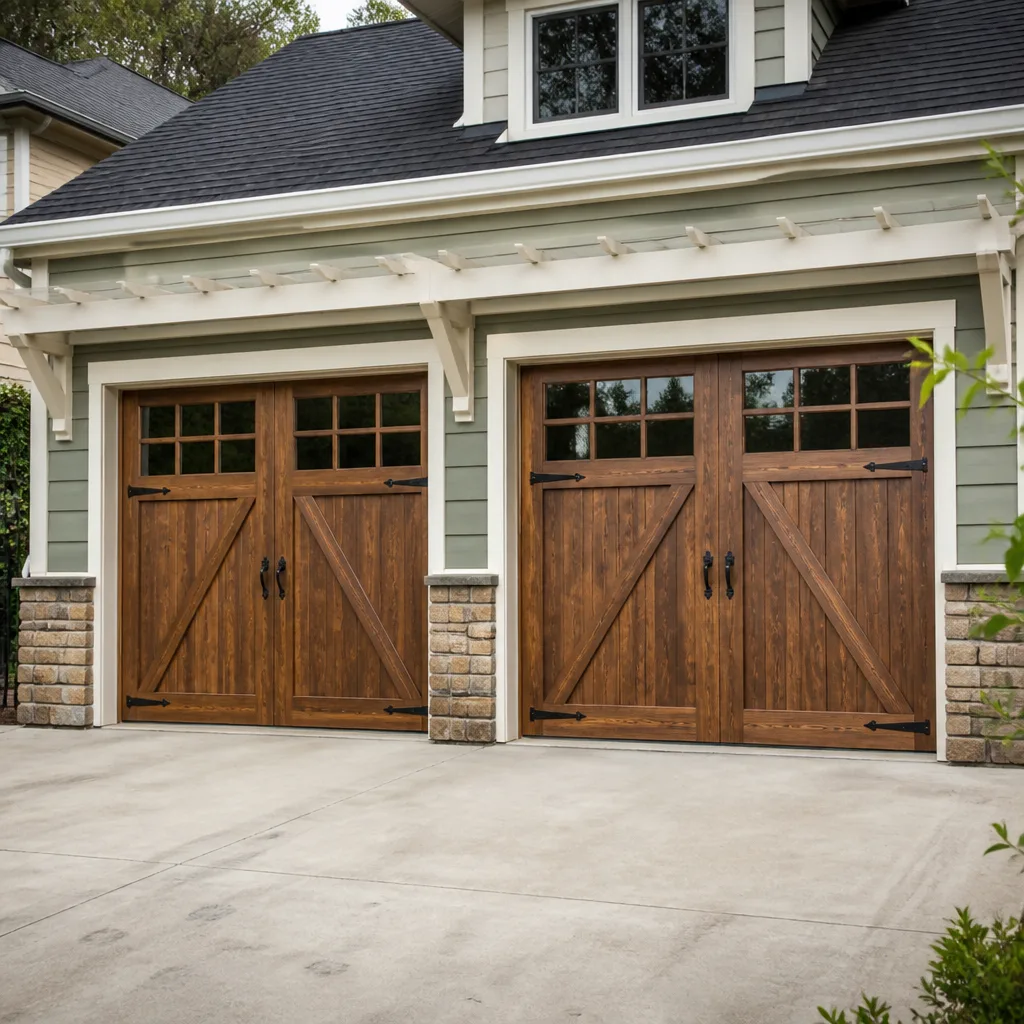 Carriage house
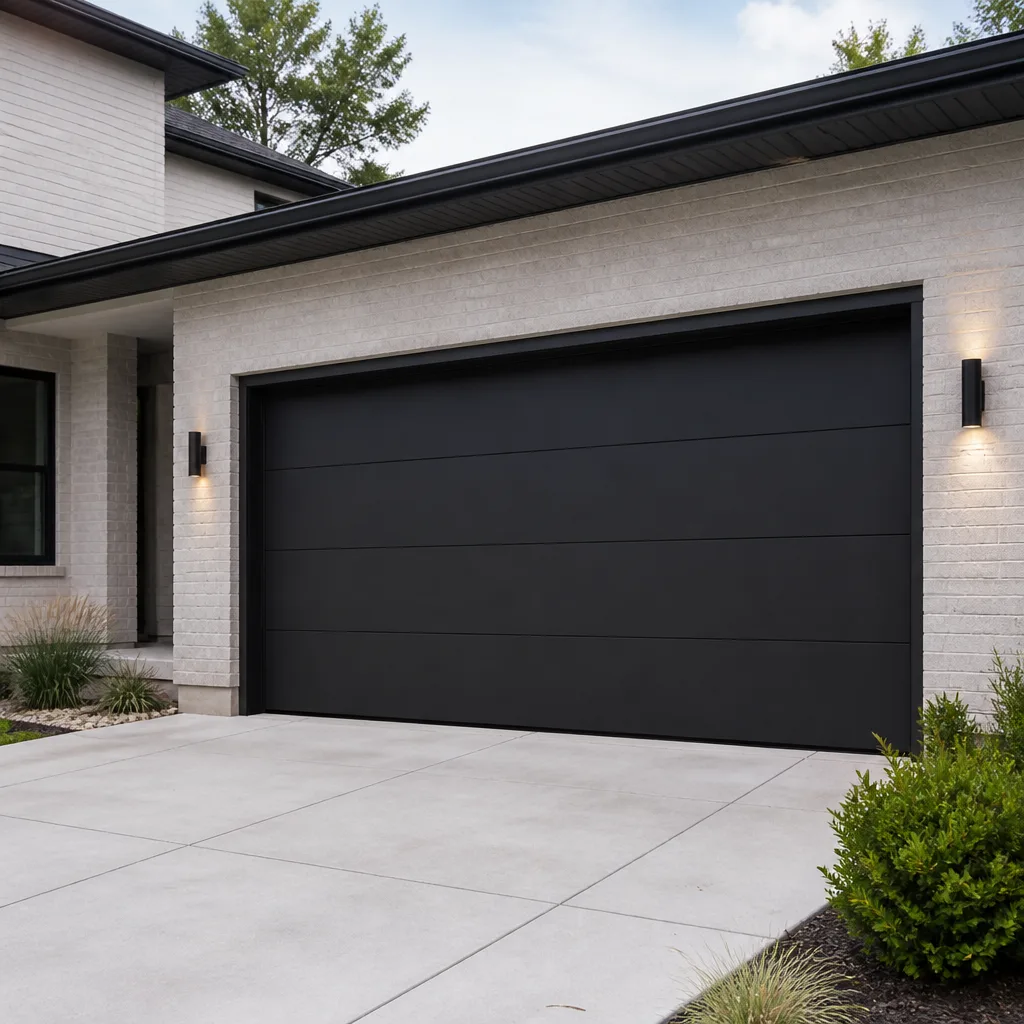 Modern flush
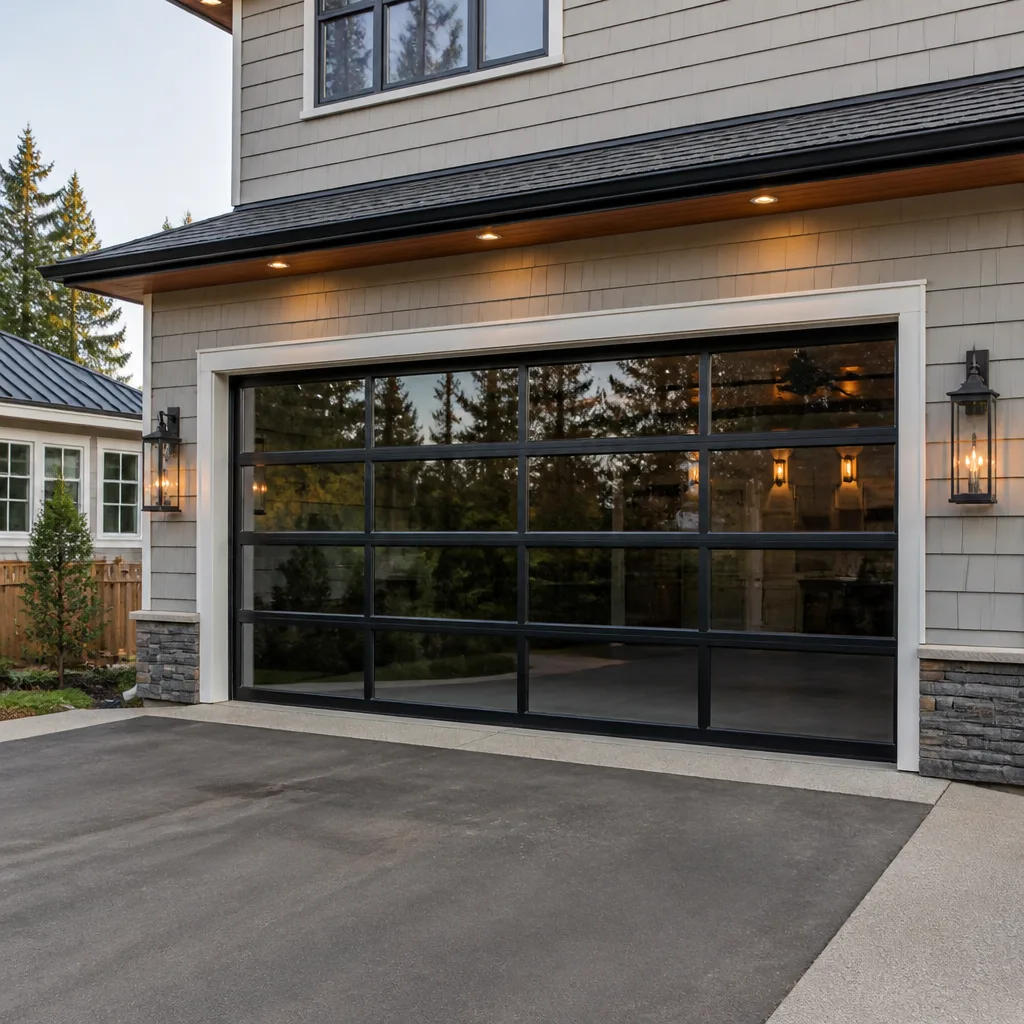 Full-view glass
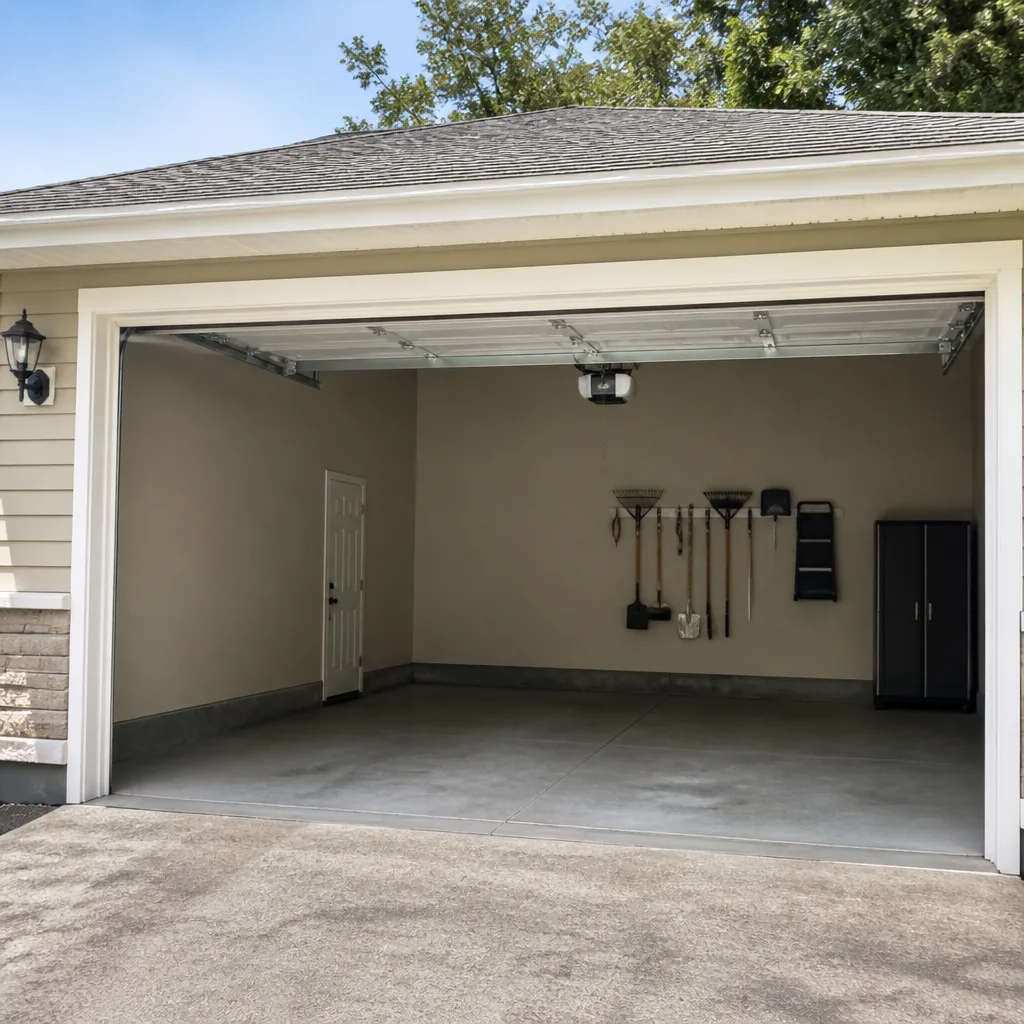 LiftMaster openers
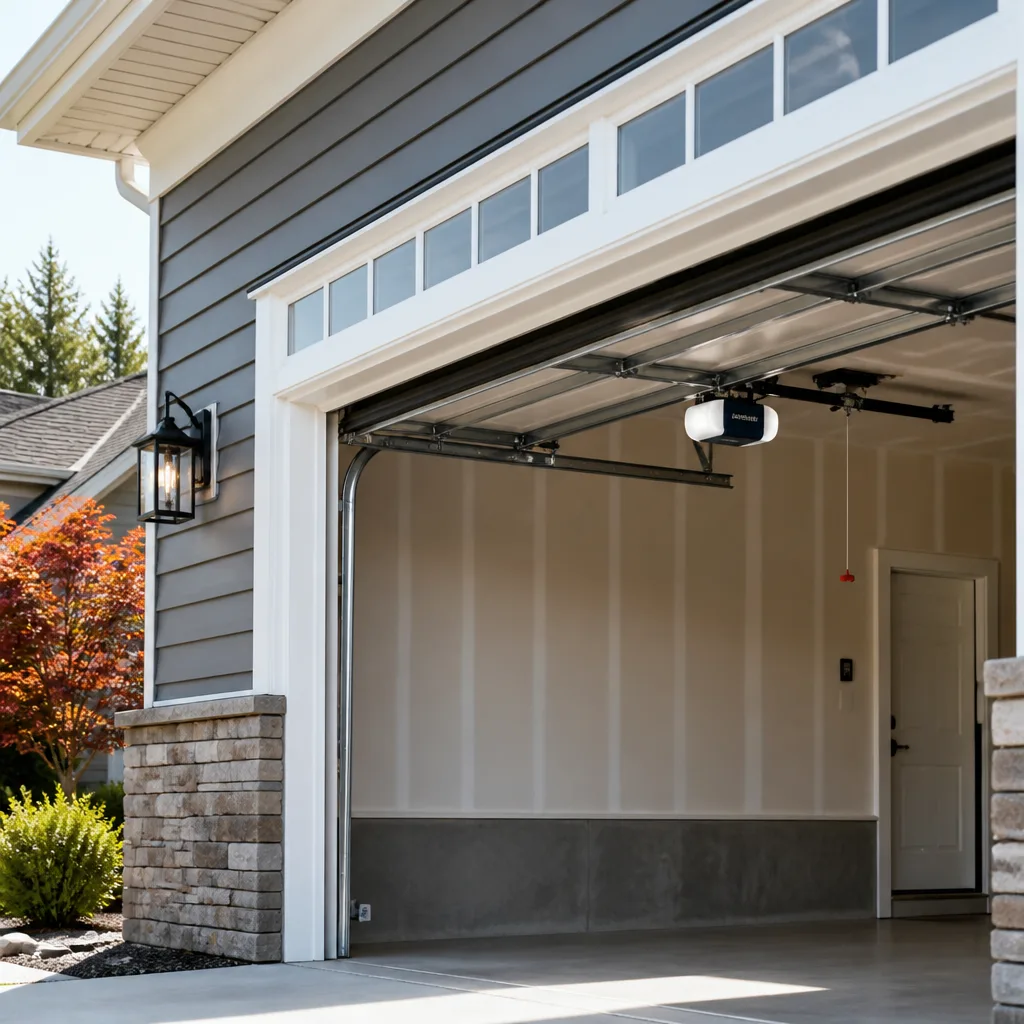 Chamberlain openers
Full 25-point door and opener safety check with every visit - springs, cables, rollers, tracks, and your LiftMaster or Chamberlain opener included
You get a price before we start. It does not change when the pro arrives.
Get your free estimateThe Complete Guide to Garage Doors in Miramar
Most Miramar homeowners shop for a garage door the way they’d shop for a front door: pick a style, pick a color, get a price. That works almost everywhere else in Florida. It doesn’t work here. Miramar sits inside Broward County’s High-Velocity Hurricane Zone, which means a replacement garage door has to meet stricter wind-load code than most of the state, and a model a neighbor installed two towns over may not be compliant on your street. The door also has to clear your HOA, fit a house built in a subdivision from the 1990s or the boom after 2000, and survive years of South Florida humidity.
This guide covers how to choose, inspect, reset, and replace a garage door in Miramar without expensive surprises. We’ll explain what the hurricane zone actually changes, how HOA approval usually goes, whether to repair or replace, which opener handles Miramar’s heat best, and how to verify your contractor pulled the right permit before anyone touches the door.
Quick Answer
A garage door in Miramar has to clear three hurdles in order: hurricane-zone wind-load compliance, HOA architectural approval (where you live in a governed community), and installation by a licensed contractor who pulls the correct permit. Most homeowners who fail an inspection later didn’t skip the installation; they skipped the compliance check on the front end. Choosing a compliant door and a Miramar-experienced installer before you buy is what keeps the project on schedule.
Styles & brands we work with
- Raised-panel steel
- Carriage house
- Modern flush
- Full-view glass
- LiftMaster openers
- Chamberlain openers
Table of Contents
- What Miramar’s Hurricane Zone Means for Your Garage Door
- How the Wind-Load Code Narrows the Door Field
- HOA Approval in Miramar’s Master-Planned Communities
- Repair or Replace? The Lifecycle Math in South Florida
- Belt, Chain, or Jackshaft: Which Opener Handles Miramar Heat
- How to Verify a Contractor Pulled the Right Permit
- Why Brand Experience Matters for a Multi-Brand Door
- Garage Door Safety: What Not to Touch
- Common Mistakes to Avoid
- When to Call a Professional
- Frequently Asked Questions
- The Bottom Line
What Miramar’s Hurricane Zone Means for Your Garage Door
Miramar is in Broward County’s High-Velocity Hurricane Zone, and that’s the single fact that shapes every garage door decision here. The HVHZ designation is the strictest wind-load category in the state of Florida. It changes which doors can legally be installed, how they’re anchored, and what a permit reviewer will want to see before sign-off.
What this means in practice:
- Wind-load rating is code, not a selling point. A garage door approved for a home in Orlando may not be approved for a home in Miramar.
- Reinforcement matters. Hurricane-zone garage doors typically come with heavier hardware, upgraded wind locks, and tracks anchored to the wall, not just to the header.
- Product approval matters. Florida maintains a product-approval listing for HVHZ-compliant door assemblies. A permitted installation needs a door on that list.
- Anchoring matters. Even a compliant door isn’t hurricane-ready if the tracks and hardware aren’t anchored to the code that applies.
The reason this trips people up is that the garage door is the largest opening in the house. When a garage door fails in a storm, the resulting pressure change puts stress on the whole structure, including the roof and interior walls. Miramar’s code reflects that. The garage door isn’t an accessory to the house; it’s a structural boundary. If a door you bought ten years ago was installed under a different standard, or was installed without a permit, you’re holding a liability you may not know about until you sell.
If you’re choosing a new door for a Miramar home, work backwards from that. Start with the wind-load rating on the product, then the style, then the color. Most homeowners do it in the opposite order, which is why replacements stall out at the permit stage.
How the Wind-Load Code Narrows the Door Field
Here’s the part most buying guides skip: not every beautiful garage door is available in a configuration that meets HVHZ. The hurricane-zone code narrows the field to specific model lines within a manufacturer’s catalog, and those are the door-and-hardware assemblies with approval. Manufacturers like Clopay, Amarr, and Wayne Dalton all make doors for Florida, but only certain configurations carry the wind-load rating a Miramar permit requires.
The narrowing happens in four places:
- The door panel. The steel gauge and reinforcement pattern determine the rated pressure. A thinner panel with the same visual design will not qualify.
- The wind locks. HVHZ doors typically require additional wind locks between the sections and reinforced center stiles to distribute pressure along the door face.
- The track system. Heavier-gauge tracks and deeper anchoring into the wall frame replace the standard residential track on hurricane-rated installations.
- The opener (in specific configs). In some assemblies, the opener’s mounting and the door’s reinforcement are designed as a system, not separately. That’s why replacing the door without talking to someone who knows openers can cause a follow-up visit.
This narrows the practical field, but it doesn’t narrow it to one manufacturer. Miramar homeowners still get real product choice across multiple approved manufacturers, in the panel styles and colors those HOAs and neighborhoods actually want. What gets removed is the option to install a door that isn’t rated for where it’s going.
This is also where a brand-specific installer earns their keep. A door that fits in Miramar but isn’t the right model number for the wind-load spec on your home is not a cheaper version of the right door. It’s the wrong door, and it’s not going to pass. Working from the approved configurations first and the aesthetics second is what keeps the project moving.
HOA Approval in Miramar’s Master-Planned Communities
Most of Miramar’s housing stock is governed by an HOA. In master-planned communities across Miramar, the architectural committee, not the homeowner, has sign-off on what a garage door looks like. That changes the replacement process in a way that surprises people moving up from places with looser deed restrictions.
What typically falls under HOA review for a garage door:
- Color. Many HOAs restrict door color to a short list that coordinates with the community’s palette.
- Panel profile. Raised-panel vs. carriage style vs. flush panel often has to match a design category.
- Window inserts. Whether the door can have them, and in what pattern.
- Privacy vs. see-through. Some communities require opaque panels for privacy; others don’t care.
- Hardware trim. Strap hinges and carriage hardware may or may not be permitted, even on a carriage-style door.
The approval process looks roughly the same from one Miramar community to the next, though the specifics change:
- Ask your HOA for the architectural review form and the current exterior color and product schedule.
- Get the exact model, color name, and window configuration from your installer before submitting.
- Submit the product spec sheet, not just a photo. Committees approve documents, not ideas.
- Wait for written approval before placing the order.
Two things go wrong most often. First, homeowners order a door in a color the HOA actually prohibits, then have to reorder. Second, they submit a photo from the manufacturer’s website rather than a spec sheet, and the committee comes back asking for more. Neither requires a new door; both cost weeks.
If your community is one of the newer Miramar master-planned neighborhoods, that timeline expectation is worth setting up front. Choosing a door in a color and style the community already approves makes the review quick. Choosing one-of-a-kind styling makes it slow. The door is the same; the paperwork isn’t.
Repair or Replace? The Lifecycle Math in South Florida
A door that’s around 10 years old in Miramar hits a decision point. South Florida humidity is real. Homes here sit in warm, often damp air most of the year, and the effects on a garage door are cumulative. Paint begins to fail, steel panels show surface rust at the seams and the bottom edge, and wood-composite sections can soften. Hardware starts binding in the tracks. Springs lose tension. The question stops being “can it be fixed?” and becomes “does it make sense to fix it?”
Here’s how we frame that decision, in the same terms we’d use on a service call:
- One panel, one spring, one opener component. Repair usually wins. The door still has years on it, the structure is sound, and the fix is targeted.
- Two or more panels with structural deformation. Replacement moves ahead. Repair works, but the rest of the door is closer to end-of-life than it looks.
- Rust along the seams and bottom edge, paint failure, softened wood sections. Replacement usually wins. These are signs that the door’s finish has given up, not just its paint. Repainting buys time, not years.
- An opener at end of life behind a door that’s still sound. Replace the opener only. The door and the drive system age differently.
- Hurricane-zone compliance on an older door. If the door predates the current wind-load standard or was installed without a permit, that fact alone can force replacement. A code-compliant install is part of what protects the home.
Repair is per job by written estimate, and we quote the exact work before anything starts. Replacement is also per job. We don’t charge a diagnostic fee, and the estimate is free. What we won’t do is quote “repair or replace” as a single number over the phone, because the answer depends on what an inspection of the door actually shows.
In our experience, doors around the 10-year mark in Miramar go one of two ways. If the door lives under a covered portico or gets regular attention, it’s still a repair case. If it faces full sun and humidity at the bottom panels, it’s closer to a replacement decision than the homeowner expected. That’s why we open the door and look at it before anyone quotes a number.
Belt, Chain, or Jackshaft: Which Opener Handles Miramar Heat
Miramar’s garages get hot. A garage with no attic ventilation can sit well above outdoor temperatures most of the day, and that’s the environment your opener has to live in. Heat is the main reason openers fail before the door they’re attached to. It stresses the motor windings, the logic board, and the lubrication on the drive system, and it makes a marginal installation fail faster.
The three drive types don’t handle that environment equally:
- Belt drive. Quieter and mechanically simpler. Belt itself is a composite, and under high heat belts can stretch or glaze. On a well-sized opener in a garage with any airflow, belt is a strong default for Miramar homes with a bedroom over or next to the garage.
- Chain drive. More robust to heat than belt and runs longer between service intervals. Louder. Better fit for a detached or end-of-row garage where noise isn’t a problem, and for homes where the owner cares more about longevity than quiet.
- Jackshaft (side-mount). Mounted on the wall beside the torsion bar rather than to the ceiling. Loses the ceiling rail entirely, which matters on a high-ceiling garage or a garage with an attic access overhead. Jackshaft openers are less sensitive to ceiling heat and often the right call for taller garages.
Two more things that matter in Miramar specifically. First, the door and the opener are a system. A HVHZ-rated door is heavier and better reinforced than a standard door, and the opener has to be sized for the door it moves. Second, Wi-Fi-enabled openers are more common here than they were ten years ago, and the heat issue applies to the logic board as well as the motor. A smart opener that’s mounted in a garage with no airflow can fail earlier than its non-smart equivalent.
If your opener is misbehaving, that’s a diagnostic question before it’s a brand question. A LiftMaster that won’t close and a Genie that won’t close aren’t always the same failure, and Craftsman and Chamberlain units follow their own logic-board patterns. We service opener brands as a dedicated category, not as an add-on to door work, because the diagnostics are genuinely different. See our garage door opener repair page for how we approach it.
How to Verify a Contractor Pulled the Right Permit
Florida requires a permit for most garage door replacements in the HVHZ, and the permit has to be pulled by a licensed contractor. What surprises homeowners is how often this step gets skipped, and how the homeowner inherits the problem years later at sale or at inspection. The permit is part of how the install gets verified, and the inspection is what confirms the installation matches the wind-load spec on your home.
Broward County runs a public permit portal, and Miramar residents can check permits there directly. Here’s the process we walk homeowners through:
- Before work starts, ask your contractor for the permit number for your address.
- Look it up on the county permit portal by permit number or by your property address.
- Confirm three things: the permit exists, it’s issued in the contractor’s name (not the homeowner’s), and the scope of work matches what you’re actually having installed (a full replacement, not “repair”).
- After installation, confirm the inspection was requested and passed, and that the final inspection record is closed on the portal.
- Keep the permit number and inspection record with the door’s warranty documents.
Two flags worth knowing about. First, an “owner-builder” permit means the homeowner is legally responsible for the compliance of the work, which you almost certainly don’t want on a garage door. Second, a permit listed as “repair” when you actually had the door fully replaced will not match the job at inspection, even though the door is fine.
Asking for the permit number before work begins is reasonable. A licensed, insured contractor expects the question. The one you want to work with will give you the number without flinching. For more on what our process looks like for a Miramar install, see our garage door repair page. Verifying a permit isn’t a sign of distrust; it’s the step that makes a Miramar door installation hold up when the paperwork comes back years later.
Why Brand Experience Matters for a Multi-Brand Door
A garage door system has two halves that come from different manufacturing worlds. The door itself is usually made by a panel and hardware manufacturer: Clopay, Amarr, Wayne Dalton, and Raynor are common ones on Miramar homes. The opener is usually made by a drive manufacturer: LiftMaster, Chamberlain, Genie, and Craftsman. When they’re not diagnosed by someone who knows the model family, the fix can be slower and less reliable.
The most common failure with a less experienced installer isn’t technical. It’s that they don’t carry the specific bracket, spring, or end-plate configuration that the brand calls for. A generic fix that “works” is not the same as a factory-correct fix. On a hurricane-rated assembly, that distinction matters even more.
The brands noted above, alongside the LiftMaster, Chamberlain, Genie, and Craftsman openers, cover the vast majority of residential systems in Miramar neighborhoods. If your door says Clopay on the panel and your opener says LiftMaster, we don’t need to look up what to do; we have seen the model family hundreds of times. If your door is a Wayne Dalton carriage style with a Wi-Fi Genie opener, that’s also a known system. The value of brand fluency is that the diagnostic doesn’t start from zero.
On the installation side, brand fluency is what gives you real product choice. Different manufacturers do different profiles, different panel patterns, and different window configurations. Matching your HOA-approved color and style to a brand that actually makes that configuration means you get a door that fits your home instead of a substitute for the door you wanted. Some Miramar HOAs approve a color name that a competing manufacturer calls something else. Knowing the crosswalk is part of the job.
Garage Door Safety: What Not to Touch
A garage door is a moving machine under tension. The springs above the door (or alongside it on a torsion setup) are the most dangerous component in the system, and they can injure or kill someone who tries to adjust them without the right training and tools. We’re not going to describe how to work on them, and no one else should, either. What we will do is describe what’s dangerous and what to check safely.
- The torsion spring above the door. Even after a door is “down,” those springs are under load. Do not attempt adjustment.
- The extension springs on the side tracks. Same hazard. The cables holding them can snap under load.
- The motor and opener mechanism. The capstan and chain can pull a hand into the mechanism. Do not insert fingers to test anything.
- Electrical connections to the opener. If an outlet or junction is involved, treat it as an electrical problem and bring in an electrician, not a door tech who will improvise.
What you can do safely:
- Test the auto-reverse by placing a small object (a roll of paper towels is fine) in the door’s path while it closes. It should reverse on contact.
- Look at the door’s balance by disconnecting the opener with the release handle and lifting the door about halfway by hand. It should hold roughly where you leave it.
- Check the tracks for visible dents or bends, and look along the bottom edge for rust.
- Listen for binding, scraping, or uneven travel.
If anything on those checks is off, call a trained professional. A door that’s out of balance is a spring problem in progress; the safest next step is having it diagnosed, not adjusted. We’d rather talk to you about a fix than about a hospital visit.
Common Mistakes to Avoid
- Ordering a door not rated for HVHZ. A door that’s wrong for Miramar’s wind-load requirement isn’t a cheaper version of the right door. It’s a door that won’t pass inspection, and the money is already spent.
- Submitting an HOA application before the exact product spec exists. Photos and ideas don’t get approved; spec sheets do. Submitting a manufacturer’s web photo instead of a document usually sends the application back for revision.
- Repainting a door whose finish is already failing at the seams. South Florida humidity does more than dull paint. If you’re seeing rust along the seams and bottom edge, the fix is more than a new coat.
- Skipping the permit, or accepting an owner-builder permit. An owner-builder permit puts compliance responsibility on you, not the contractor. When the door is inspected later, the fact that you signed off on your own install is the first thing that shows up.
- Sizing the opener for a door that isn’t what’s actually installed. A hurricane-rated door is heavier. If the opener was spec’d for the previous door, it’s running over capacity, and heat in a Miramar garage turns that into premature failure.
- Trying to balance the door or adjust the springs yourself. This is the failure mode that leads to serious injury. The springs are under load even when the door looks static.
- Waiting on a door that won’t move until “it’s more convenient.” A garage door that won’t close leaves the home open. A door stuck open in a storm is a real risk. A door that won’t move isn’t a tomorrow problem.
When to Call a Professional
Not every garage door issue needs a service visit, but the ones that do tend to fall into a handful of scenarios. Call us if the door won’t open or close at all; if it reverses mid-travel without an obstacle in the way; if a spring is visibly broken or you hear a loud crack followed by a door that won’t lift; if the door is out of balance or feels heavier than it used to; if the opener runs but the door doesn’t move; if the door’s bottom seal has failed and air is getting through; if rust along the seams or bottom edge is spreading; or if you’re planning a replacement and need to confirm the right model for Miramar’s wind-load code before ordering anything.
For a replacement decision, call before you buy, not after. Denali Garage Door Repair offers free estimates in Miramar. Call (866) 552-3599. We answer 24/7. Fast dispatch from 7am to 7pm, Sunday through Friday. Every price is set by written estimate and quoted before any work begins, so there’s no invoice surprise after the fact.
Frequently Asked Questions
Yes. Most garage door replacements in Miramar require a permit under Florida’s hurricane-zone rules, and the permit needs to be pulled by a licensed contractor, not registered as “owner-builder.” Verify the permit exists on Broward County’s permit portal before work begins, and confirm the scope matches a full replacement. If you’re not sure, ask your contractor for the permit number in writing. Call (866) 552-3599 for help with an exact quote on your Miramar project – the estimate is free.
Repair costs in Miramar vary by what actually failed, and we quote per job by written estimate before any work starts. Because Miramar sits inside the hurricane zone, a repair that touches the door’s structural components or its anchoring sometimes involves code-compliant hardware that a non-hurricane-zone repair wouldn’t. The written estimate sets the final price, and nothing is added after the fact. Call (866) 552-3599 for an exact quote – estimates are free.
Often, yes. For repair calls, we answer 24/7 and dispatch from 7am to 7pm, Sunday through Friday. Same-day service is available for most repair issues in Miramar. For installation and replacement, that work is measured and scheduled, not same-day; we’ll give you a written estimate and a date. Call (866) 552-3599 to get on the schedule.
A hurricane-rated garage door is one specifically approved for the High-Velocity Hurricane Zone and rated for the wind pressure Miramar code expects. There isn’t a separate “storm door” category for garage doors; the door is rated or it isn’t, and the assembly has to match the approved configuration. Some doors look storm-ready but aren’t on the approved list, which is what fails at inspection. If you’re not sure your door is compliant, call (866) 552-3599 and we’ll look at it.
It depends on what the door looks like when inspected. One panel, one spring, or the opener alone is usually a repair. Rust along the seams and bottom edge, softened wood sections, or two or more panels that are out of shape push toward replacement, since South Florida humidity puts real pressure on the finish. A door that predates the current wind-load standard is a different case, since compliance can force replacement. Call (866) 552-3599 and we’ll look at it before quoting a number – the estimate is free.
They are. Garage door work in Miramar involves a state-licensed installation and code compliance, and we work with licensed, insured technicians who handle both door and opener brands. We don’t publish license numbers here because we want you working from the permit record, not a quote on a page. Ask for the permit number before work starts and check it on the county portal. Call (866) 552-3599 for an exact quote.
The Bottom Line
Miramar isn’t a “pick the pretty door” market. It’s a hurricane-zone market with HOA governance and South Florida humidity, and each of those facts quietly narrows what makes sense for your home. Choose a compliant wind-load configuration first, clear your HOA with a real product spec, and use a licensed, insured installer who pulls the permit in their own name. Repair vs. replace usually decides itself once the door is actually inspected. For a Miramar project – repair, opener, or replacement – call Denali Garage Door Repair at (866) 552-3599. We answer 24/7. Fast dispatch from 7am to 7pm, Sunday through Friday. Every project is quoted before work starts, and estimates are free.
Related Pages
Written by the team at Denali Garage Door Repair.
See the difference
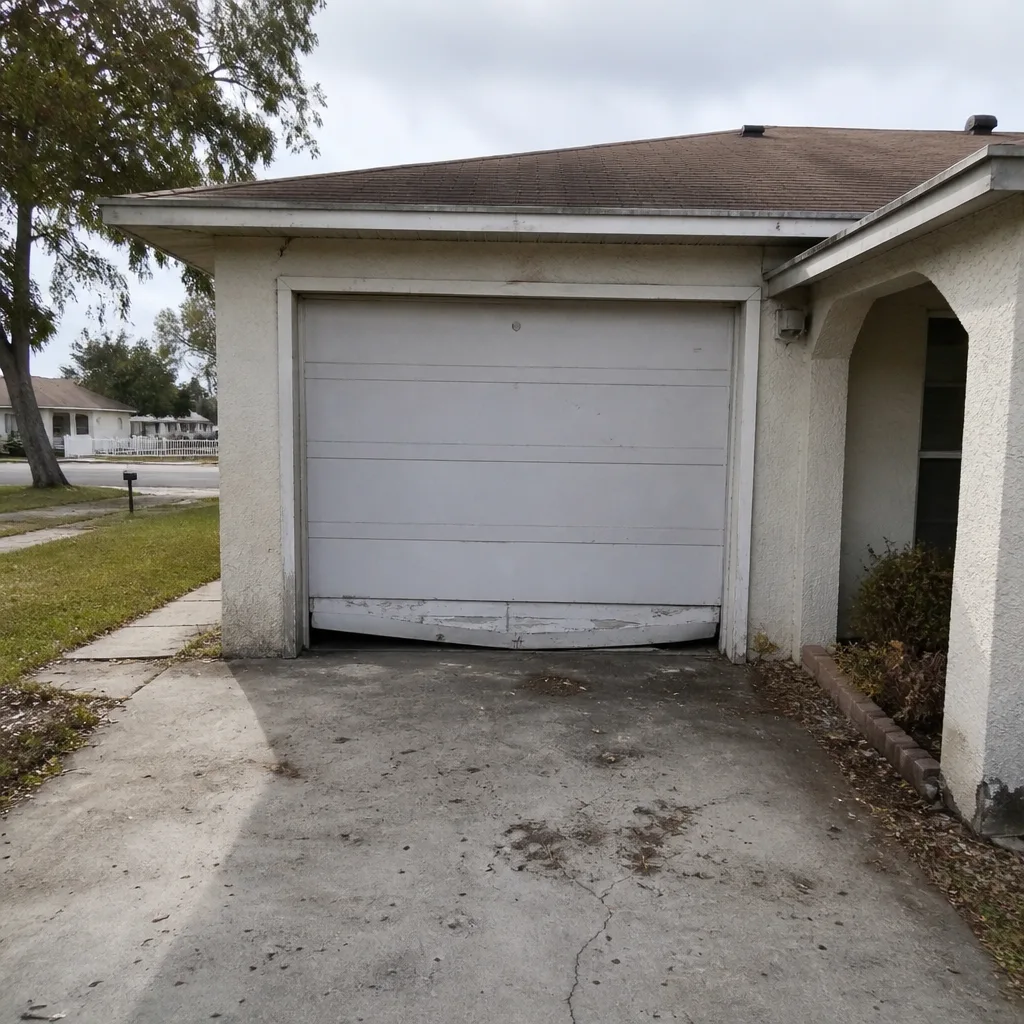 Before
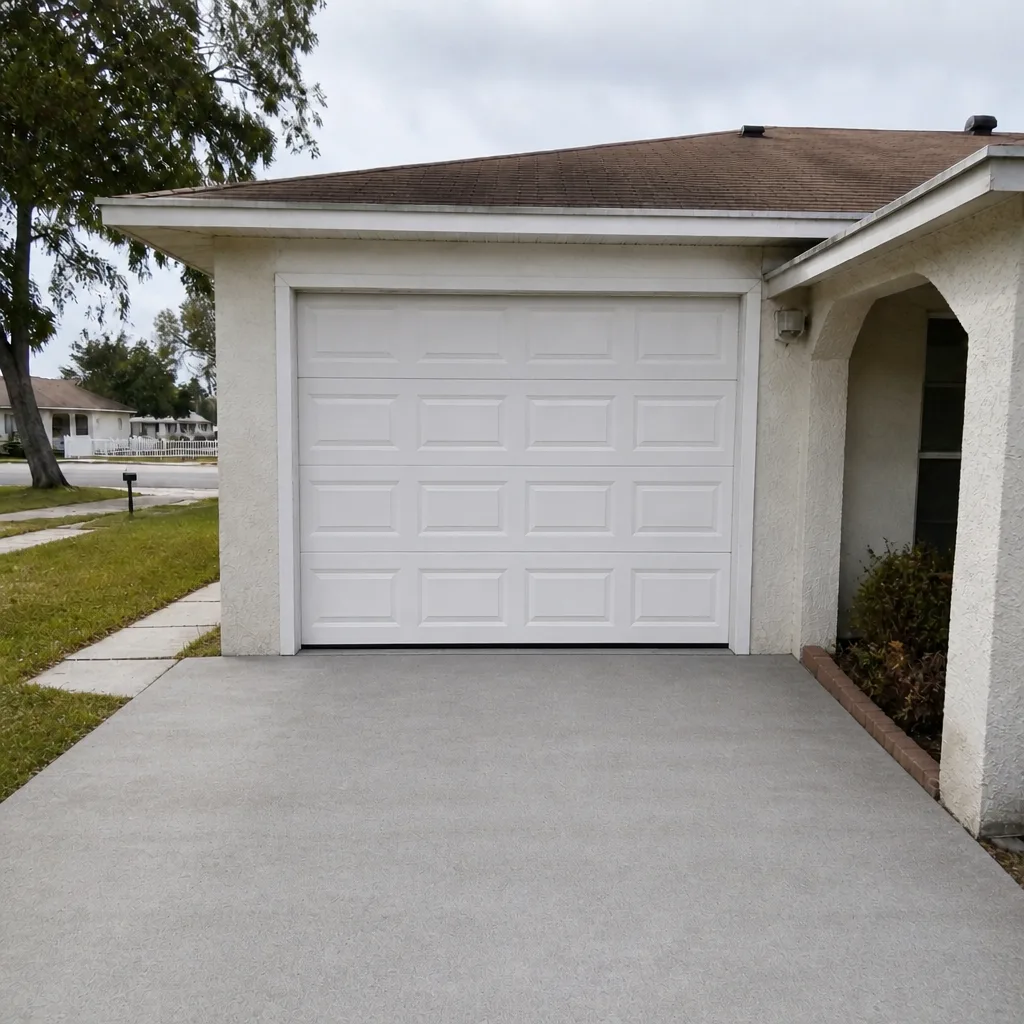 After
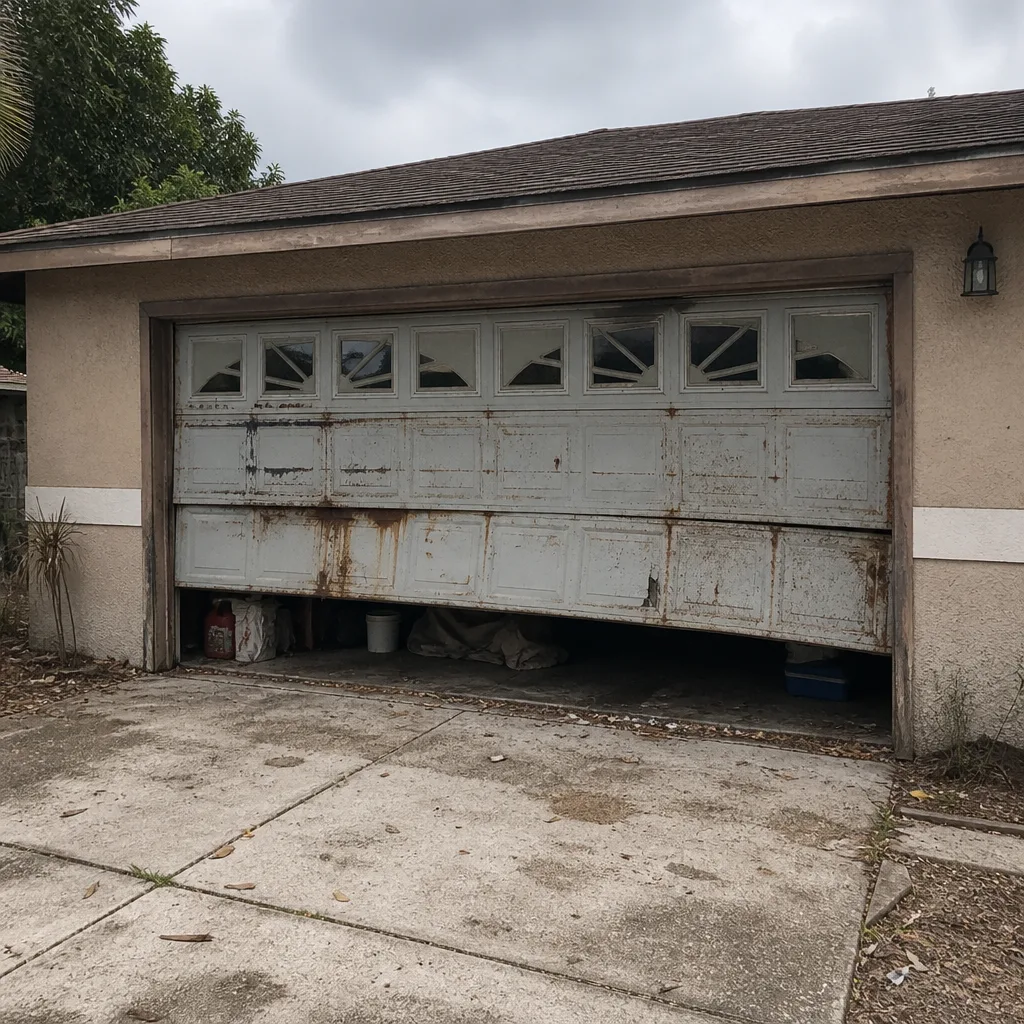 Before
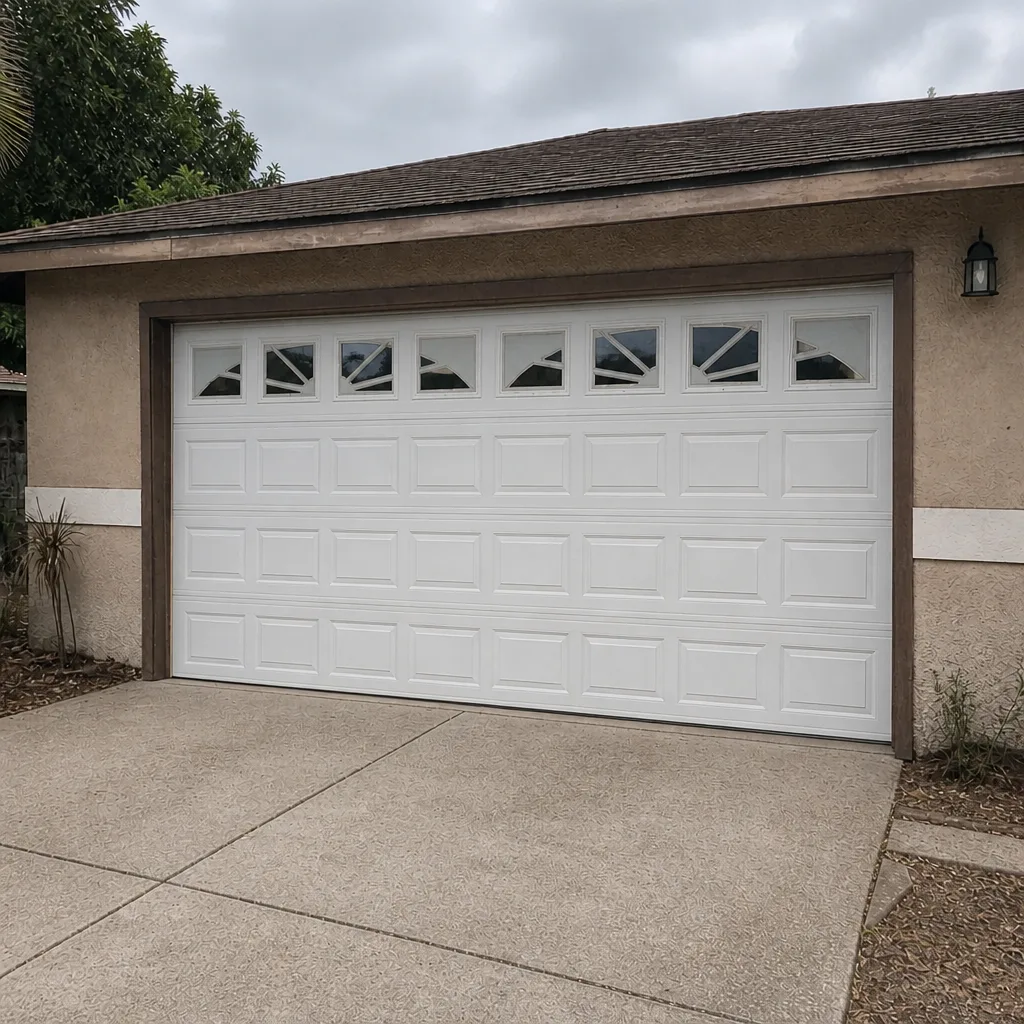 After
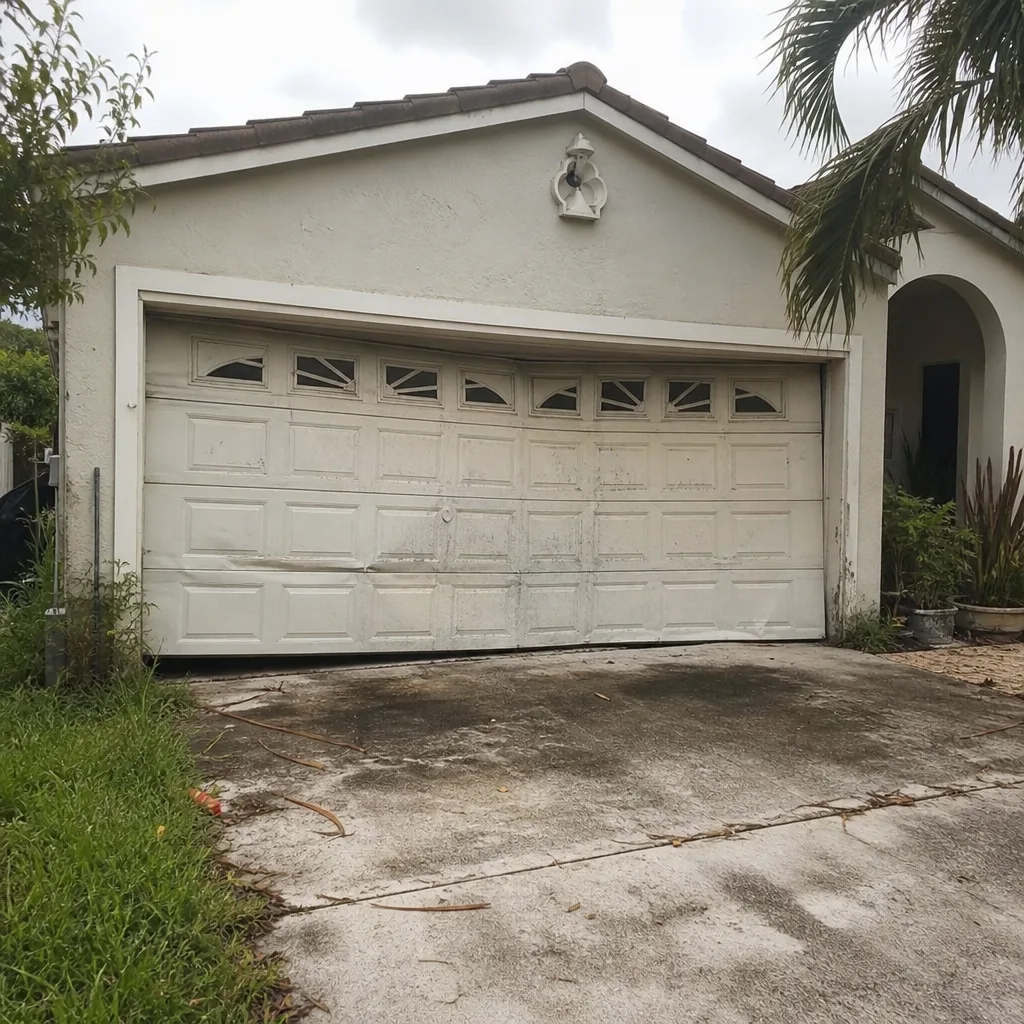 Before
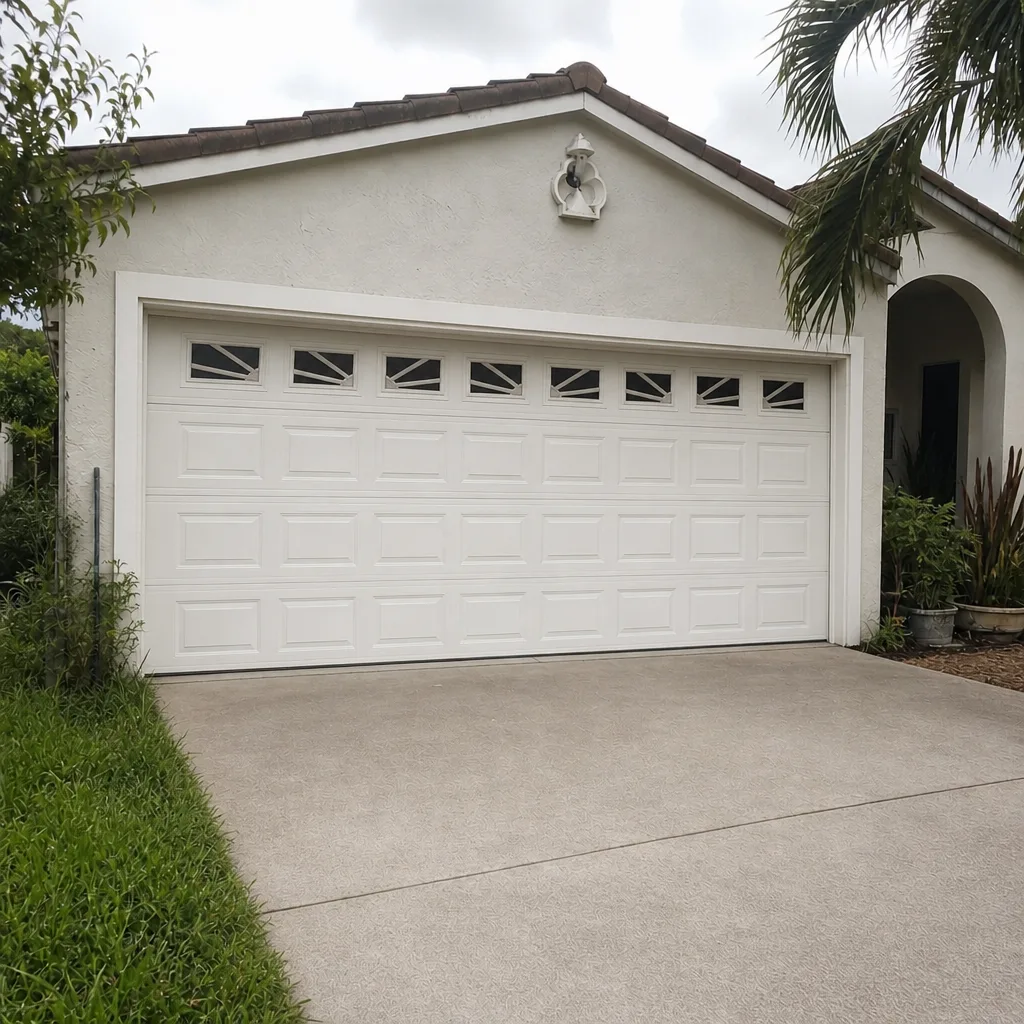 After