
Last updated November 15, 2026
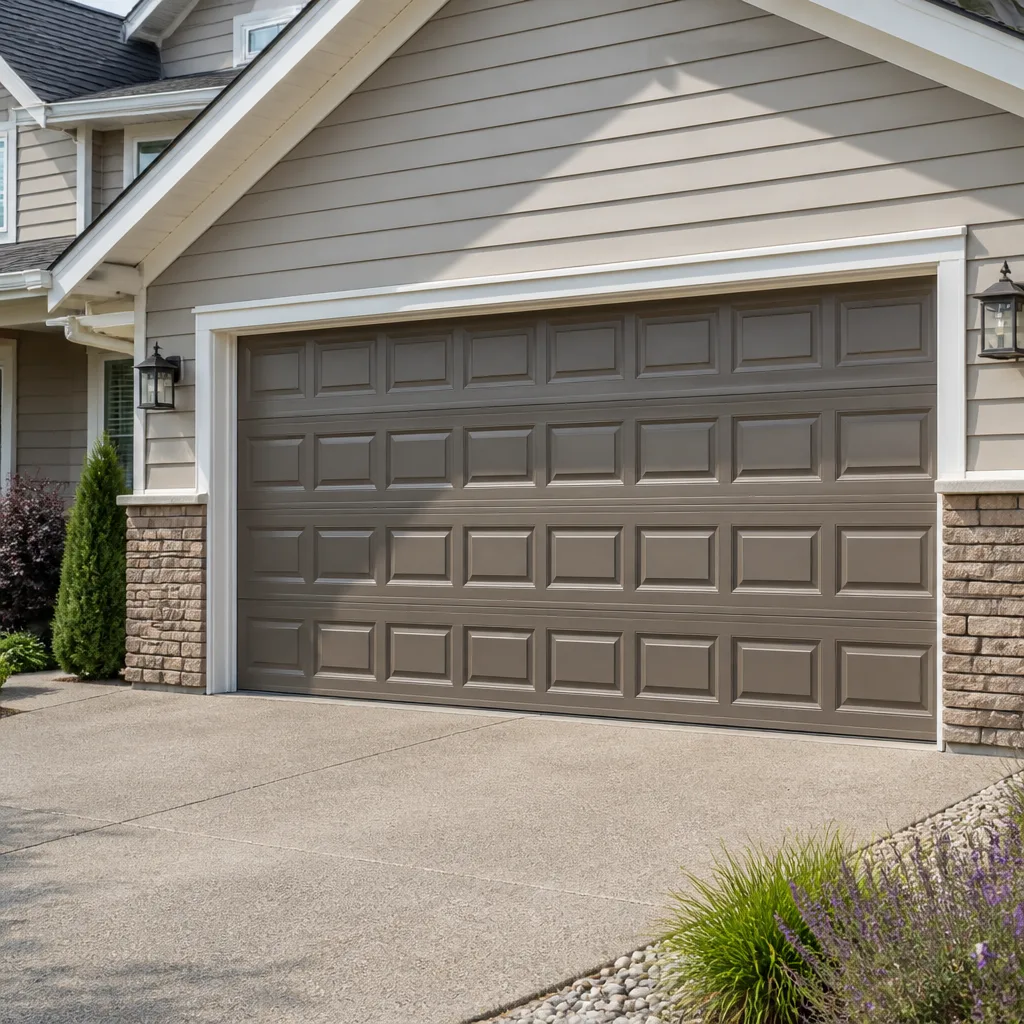 Raised-panel steel
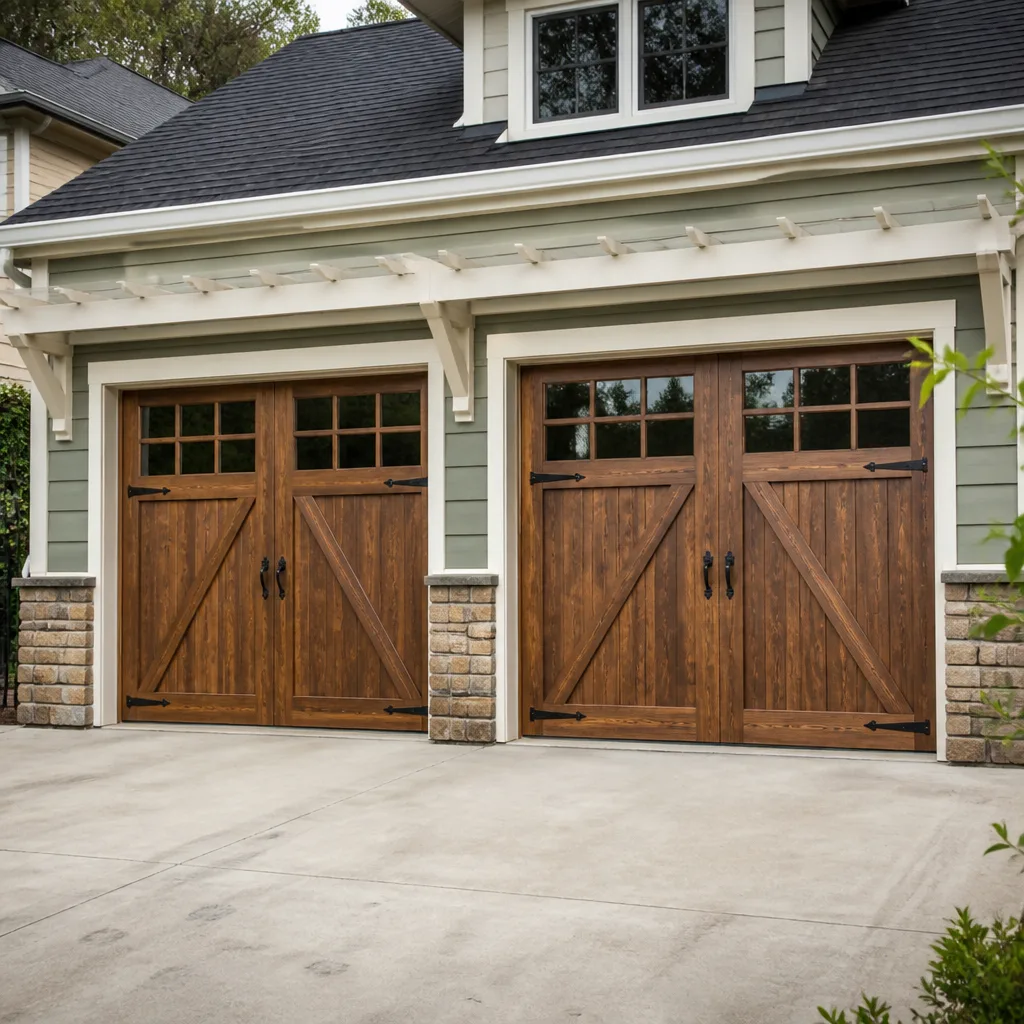 Carriage house
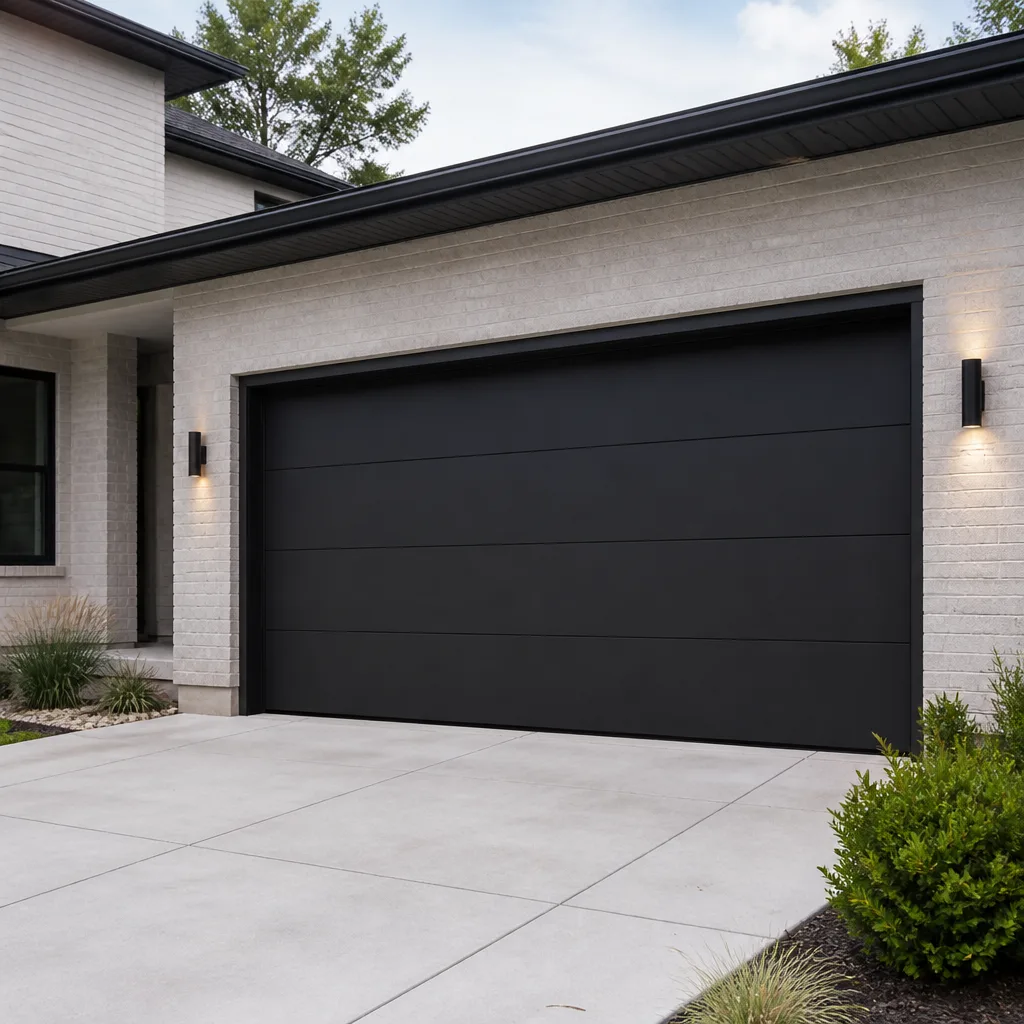 Modern flush
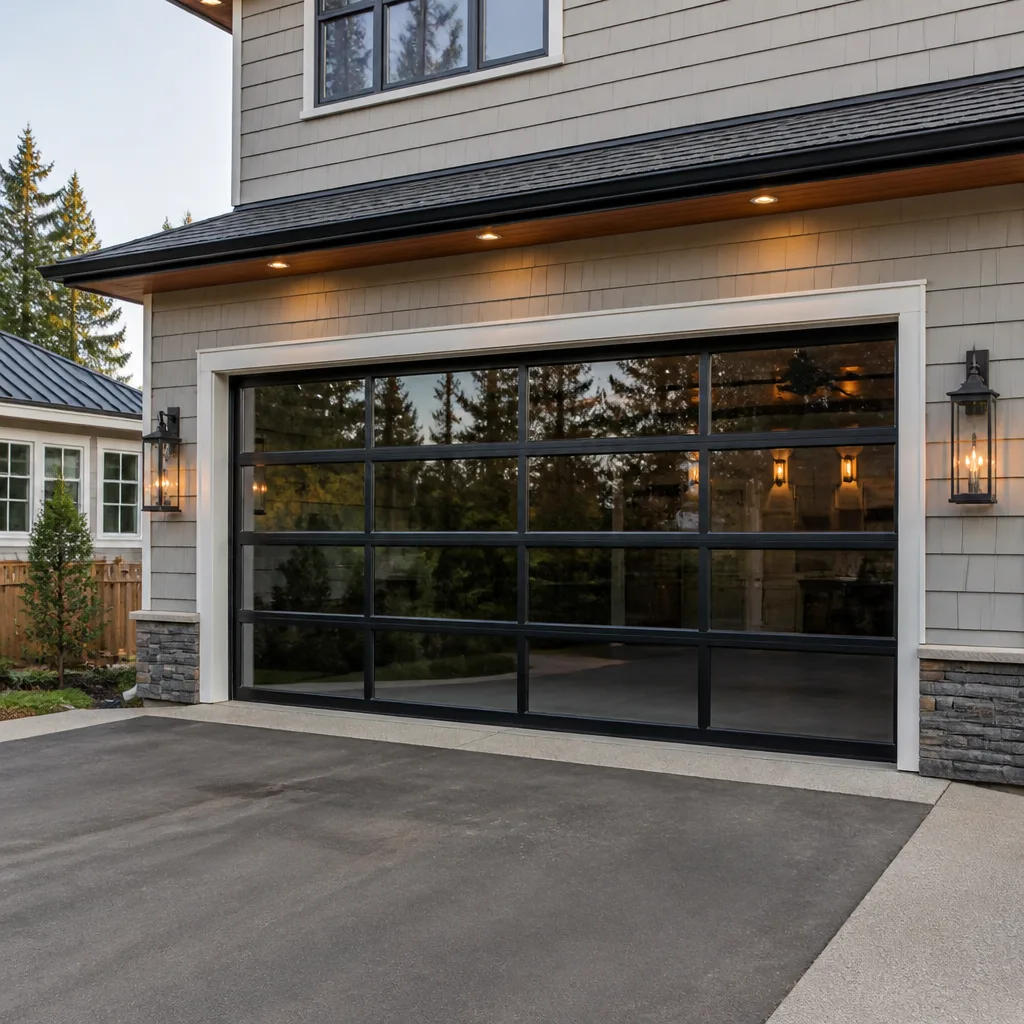 Full-view glass
 LiftMaster openers
 Chamberlain openers
Full 25-point door and opener safety check with every visit - springs, cables, rollers, tracks, and your LiftMaster or Chamberlain opener included
You get a price before we start. It does not change when the pro arrives.
Get your free estimateGarage Door Emergency Preparedness Guide for Miramar Homes
Most Miramar homeowners assume a garage door fails in a storm. In our experience, a large share of the failures that leave a door stuck open as a named storm approaches start before the wind ever arrives: someone yanks the manual release, the cables derail, and now the door won’t close at all. A garage door is a tensioned machine, and the way you handle it when the power drops or a spring lets go decides whether you have a fixable problem or a door that can’t protect the house. This guide covers the two kinds of failure Miramar homes actually see, the handling mistakes that turn a small problem into a big one, and the pre-storm and post-storm sequence that keeps your door working when you need it most.
Quick Answer
Garage door emergencies in Miramar fall into two groups: daily-use failures (a snapped spring, a derailed cable, an opener that quits) and storm-related failures (a door that won’t close before a hurricane or won’t open after one). The response is different for each. For daily failures, stop using the door and call a technician. For storm failures, secure the door by hand and treat the door as a barrier, not a convenience, until it’s inspected. Knowing which situation you’re in is the whole skill. If you’re unsure, Denali Garage Door Repair can talk you through it before you touch anything.
Styles & brands we work with
- Raised-panel steel
- Carriage house
- Modern flush
- Full-view glass
- LiftMaster openers
- Chamberlain openers
Table of Contents
- The Two Kinds of Garage Door Emergency in Miramar
- Manual Release During a Power Outage: Doing It Without Derailing the Cables
- The First 10 Minutes After a Torsion Spring Snaps
- How to Secure a Malfunctioning Door Before a Storm
- The Pre-Storm Checklist: Four Things to Verify
- Post-Storm Inspection Before You Re-Engage the Opener
- What Smart Openers and Battery Backup Change
- When a Repair Isn’t Enough
The Two Kinds of Garage Door Emergency in Miramar
Miramar sits in Broward County, and that location shapes what goes wrong with a garage door here. You have two separate risk profiles: the everyday wear of a heavy door cycling several times a day, and the once-a-season threat of a hurricane. Treating them as one problem is the first mistake.
Daily-use failures follow a predictable pattern. Springs fatigue from normal cycling, cables fray at the drum, rollers wear flat, and openers strain against a door that’s gotten heavier. These failures usually announce themselves: a bang from the garage, a door that hangs crooked, a motor that hums but doesn’t lift. In our experience, most of these are caught in time if the homeowner stops operating the door the moment something sounds wrong.
Storm failures are different. They cluster at two moments: the hours before landfall, when a door has to close and hold, and the days after, when power may be out and the door has to be opened by hand. The failures that matter most are the ones caused by how the door is handled during the outage, not by the wind itself.
For Miramar, that means two phone numbers and two mental checklists. The repair number handles the spring, the opener, the cable. The preparedness checklist handles the storm. This guide is mostly about the second, because it’s the one most homes have no plan for. But the two overlap: a door that’s already compromised going into a storm is the one most likely to fail during it, which is why a routine garage door repair before hurricane season beats a scramble after.
Manual Release During a Power Outage: Doing It Without Derailing the Cables
The manual release cord on your opener is designed to disengage the door from the motor so you can lift it by hand. Used correctly, it’s safe. Used incorrectly during a power outage, it’s the single most common cause of a door that ends up stuck open when a storm arrives. Here’s the procedure, and the mistakes that undo it.
Before you pull the cord, understand what you’re doing: you’re separating the door from the opener’s carriage so the door can move freely. In a normal door, the spring system is still holding the weight. If the spring is broken, the door is heavy and dangerous, and pulling the release won’t help. Stop and call for help instead.
If you’re confident the door is sound and you just need to get a car out during an outage, follow this sequence:
- Bring the door to the fully closed position if it isn’t already. A door left halfway up puts uneven tension on the cables and drums.
- Locate the release cord, usually hanging from the opener trolley. Don’t yank it. Pull it straight down, firmly and smoothly, once.
- Confirm the carriage has disengaged. You should now be able to lift the door by hand with normal effort. If it’s suddenly much heavier, the spring system has an issue – stop.
- Lift the door slowly and evenly if you need to open it. Don’t force it against a bind.
- Lower it by hand, slowly, with both hands. Let it close; don’t let it drop.
The mistakes that cause cable derailment:
- Pulling the release while the door is partly open. The door can drop and the cables can jump the drums.
- Pulling the release when the spring is broken or the door is binding. The weight is unbalanced and the door can fall.
- Forcing the door up or down by hand against resistance. If it won’t move smoothly, the cables are probably already out of track.
- Re-engaging the opener without a proper test. Just pushing the door shut and hitting the remote doesn’t re-seat the carriage correctly in every case.
If you’re not sure your door is sound before you pull the cord, don’t guess. Denali Garage Door Repair handles garage door opener repair across the major opener brands, and a technician can tell you whether your door is safe to operate by hand. Call (866) 552-3599. We answer 24/7. Fast dispatch from 7am to 7pm, Sunday through Friday.
The First 10 Minutes After a Torsion Spring Snaps
A torsion spring failure usually announces itself with a loud bang from the garage, followed by a door that won’t lift or an opener that runs but doesn’t move the door. What you do in the first ten minutes matters: operating the opener after a spring failure compounds the damage and can cause the door to come down hard.
Here’s the lockdown procedure:
- Stop using the opener immediately. Don’t hit the wall button to test it. A motor pulling against an unassisted door strains the opener’s gears and can snap a cable or bend a panel.
- Don’t try to lift the door by hand. A torsion spring holds most of the door’s weight. Without it, the door is dangerously heavy, and if it’s partly open it can fall.
- If the door is closed, leave it closed. That’s your secure position. Close the door first if it’s open and you can do it safely from the outside without lifting. If it’s open and you can’t safely lower it, keep people and cars clear of the opening.
- Pull the manual release only if the door is fully closed and you need to disengage the carriage. Don’t pull it if the spring is broken and the door is up; the door can drop.
- Keep cars out of the garage. A car parked under a compromised door is a hazard, and you’ll need the space clear for the technician.
- Call a technician. Spring replacement is a tensioned, dangerous job. It isn’t a homeowner repair.
Why operating the opener after a spring failure is such a bad idea: the opener is built to move a door that the spring system is already balancing. When the spring fails, the opener becomes the only thing trying to lift a door it was never rated to lift alone. That’s how a spring problem turns into a bent center bracket, a broken cable, or a door that won’t stay on its tracks.
Spring repair in Miramar typically runs $180 to $340 for a single spring, and a pair is usually replaced together, so a matched pair runs about twice that. The written estimate sets the final price, and it’s agreed before any work starts. Call (866) 552-3599 for a free estimate.
How to Secure a Malfunctioning Door Before a Storm
If a named storm is approaching Broward County and your door won’t close, you have a structural gap in your home’s envelope. A garage door that can’t close is an opening, and you need to reduce the risk of that opening before landfall. You can’t fix a broken spring in the time you have. You can brace and secure.
First, understand the limits. Temporary bracing is a stopgap for windborne debris, not a replacement for a functioning door. Anything you screw or clamp onto a garage door can affect how the door reseats later, and it’s not designed for impact. Treat any bracing as a short-term measure to be removed and inspected after the storm.
Temporary bracing options and their real limitations:
- Vertical bracing against the door face: cut lumber or a rigid board braced from the floor to the header, wedged against the door. It resists inward pressure but doesn’t stop a wind-driven object from piercing a panel.
- Horizontal strapping: a strap across the door face to keep panels from popping out. It helps with panel separation but does nothing for a door that’s already off its tracks.
- Backing the door with a parked vehicle: only if the door is closed and intact. A car pressed against a closed door adds resistance but is no substitute for a properly functioning door.
What bracing doesn’t do: it doesn’t restore the door’s rated performance, it doesn’t secure a door that’s off its tracks, and it doesn’t replace the spring system. If your door is off-track, hanging crooked, or has a snapped spring, bracing it is a way to reduce exposure, not to fix it. Get a technician out before the storm if you can, so the door closes and locks the way it should. If the storm is already here, secure what you can and plan the repair for after.
Denali Garage Door Repair handles Miramar doors across the main brands, including Raynor, LiftMaster, and Chamberlain, so the technician knows your hardware. Call (866) 552-3599. We answer 24/7. Fast dispatch from 7am to 7pm.
The Pre-Storm Checklist: Four Things to Verify
Before a named storm makes landfall in Broward County, there are four things worth checking on your garage door. None of them takes long. All of them catch the failures that turn a storm into a bigger problem.
- The door closes fully and the weather seal contacts the floor. Stand inside and look at the bottom seal. A gap lets wind and rain pressure into the garage, and it’s the first place a door that’s off-adjustment shows it. If the door stops shy of the floor, that’s an adjustment issue to fix before the storm.
- The door is balanced. Disengage the opener with the manual release (see the procedure above) and lift the door about halfway by hand. It should hold roughly where you leave it, with modest effort. If it drops or feels very heavy, the spring system is tired and the door is a candidate for failure. Re-engage the opener and don’t force it.
- The tracks are straight and the rollers are seated. Look along both side tracks for dents, bends, or a roller that’s popped out. A door that’s tracking badly now will track worse under wind pressure. Don’t try to bend a track back into shape; have it looked at.
- The opener and its safety features work. Test the auto-reverse on the bottom edge and the safety sensors. If the opener is a LiftMaster or Chamberlain with a battery backup, confirm the battery is charged; a dead battery won’t help during an outage.
If any of the four checks reveals a problem, book a repair before the storm, not during it. That’s the difference between a door that closes and holds and a door you’re bracing at the last minute.
Post-Storm Inspection Before You Re-Engage the Opener
After a storm passes, the temptation is to hit the remote and see if the door still works. Don’t. A door that took wind pressure or debris can look fine and still be off its tracks, and running the opener on a compromised door is how a secondary failure happens. Do the structural checks first, in this order.
- Look at the door from outside before you touch anything. Are the panels straight? Is the door sitting evenly in the opening? Has anything shifted?
- Inspect both side tracks. Look for bends, a track that’s pulled away from the jamb, or a roller that’s out of the channel. Any of these means the door isn’t tracking and shouldn’t be run.
- Check the cables and drums. Look for a cable that’s off the drum, slack, or frayed. Don’t touch a cable under tension. If it looks wrong, stop and call.
- Check the spring system. If you can see the torsion spring above the door, look for a visible gap in the coil. A broken spring means no opener use.
- Test the balance by hand, with the door disengaged. If it’s heavy or drops, the spring system needs attention.
- Only after the structural checks pass, re-engage the opener and test it once. Watch and listen. If it strains, stops, or reverses, stop using it.
If a check fails, leave the door as it is and call a technician. The structural checks are the ones that prevent a secondary failure, and they’re the reason a post-storm inspection is worth the ten minutes it takes.
What Smart Openers and Battery Backup Change
Modern openers have changed the outage equation. A LiftMaster or Chamberlain with battery backup can move the door during a power outage, which means you may not need to use the manual release at all. That’s a meaningful difference in a Miramar storm season: fewer manual-release pulls means fewer cable derailments.
What battery backup does and doesn’t do:
- It keeps the door motorized during an outage, so the manual release stays untouched and the carriage stays engaged.
- It doesn’t fix a broken spring or a door that’s off-track. If the door itself is compromised, battery backup won’t make it safe to operate.
- It depends on a charged battery. A backup battery that hasn’t been checked won’t do anything. Test it before storm season, not during.
Smart openers with Wi-Fi and app control let you check door status remotely, which is useful if you’re away when a storm is forecast. But app control is only as good as the door it’s attached to. If the door is binding or the spring is tired, a smart opener will report the problem, not solve it.
If you want an opener that handles outages better, or you want your current smart opener diagnosed when it misbehaves, Denali Garage Door Repair handles opener repair across LiftMaster, Chamberlain, Genie, and Craftsman, as well as the door brands. Your brand, our expertise. Call (866) 552-3599 for a free estimate.
When a Repair Isn’t Enough
Some doors reach the point where repair stops making sense. A door that’s been repeatedly braced after storms, has multiple bent panels, or has a track system that’s been straightened more than once is a candidate for replacement. The question isn’t just cost; it’s whether the door will hold when the next storm arrives.
Signs a door is a replacement candidate rather than a repair:
- Multiple panels are bent or separated, not just one.
- The tracks have been bent and straightened more than once.
- The door has been off its tracks after a storm and re-seated, and it still tracks badly.
- The opener is older and the door is heavier than the opener was rated for.
- You’ve braced the door for two or more storm seasons.
Replacement is a measured, ordered, and scheduled job, not a same-day repair. That’s the right expectation: a technician measures the opening, you choose a door from the available lines (Clopay, Amarr, Wayne Dalton, and Raynor among them), and the door is ordered and installed on a schedule. If you’re planning ahead of hurricane season, that timeline works in your favor. If you’re reacting after a failure, it doesn’t, which is another reason a pre-season check is worth doing.
Common Mistakes to Avoid
- Pulling the manual release while the door is partly open. This is the mistake that causes most cable derailments during outages. Release only from the fully closed position, and only if the spring system is sound.
- Hitting the opener after a spring snaps to test it. The motor pulls against a door it wasn’t rated to lift, and that’s how a spring problem becomes bent hardware and a door that won’t close.
- Bracing a door that’s off its tracks. Bracing reduces exposure on an intact door. It does nothing for a door that’s already jumped its track, and it can hide the problem until after the storm.
- Assuming a smart opener solves an outage. Battery backup helps, but it depends on a charged battery and a sound door. Check both before storm season.
- Re-engaging the opener after a storm without the structural checks. The door can look fine and still be off its tracks. Check tracks, cables, springs, and balance before you run it.
- Waiting until a storm is forecast to book a repair. Miramar storm season is predictable. A door that’s binding in calm weather will fail in wind. Book the repair while there’s time.
- Treating a torsion spring as a homeowner job. The spring stores enough energy to cause serious injury. Replacement is a job for a trained technician, every time.
See the difference
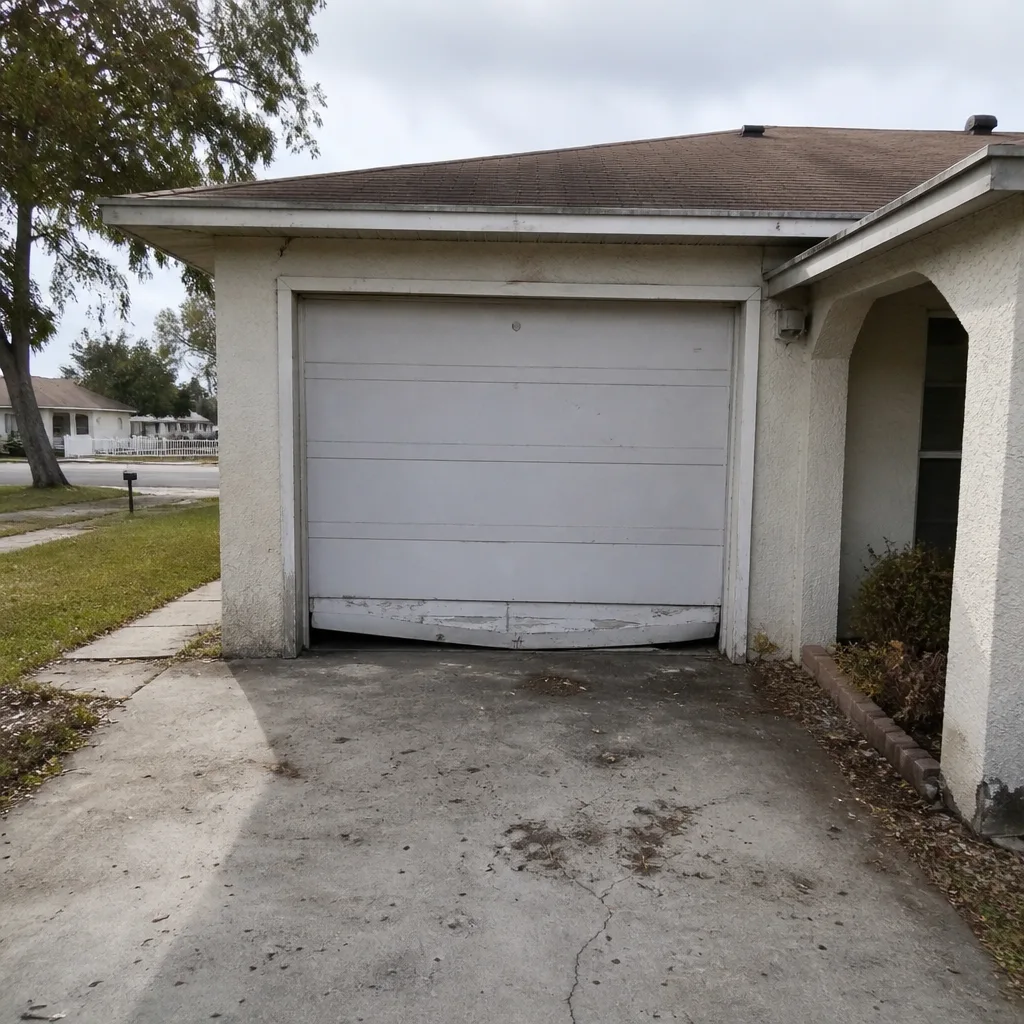 Before
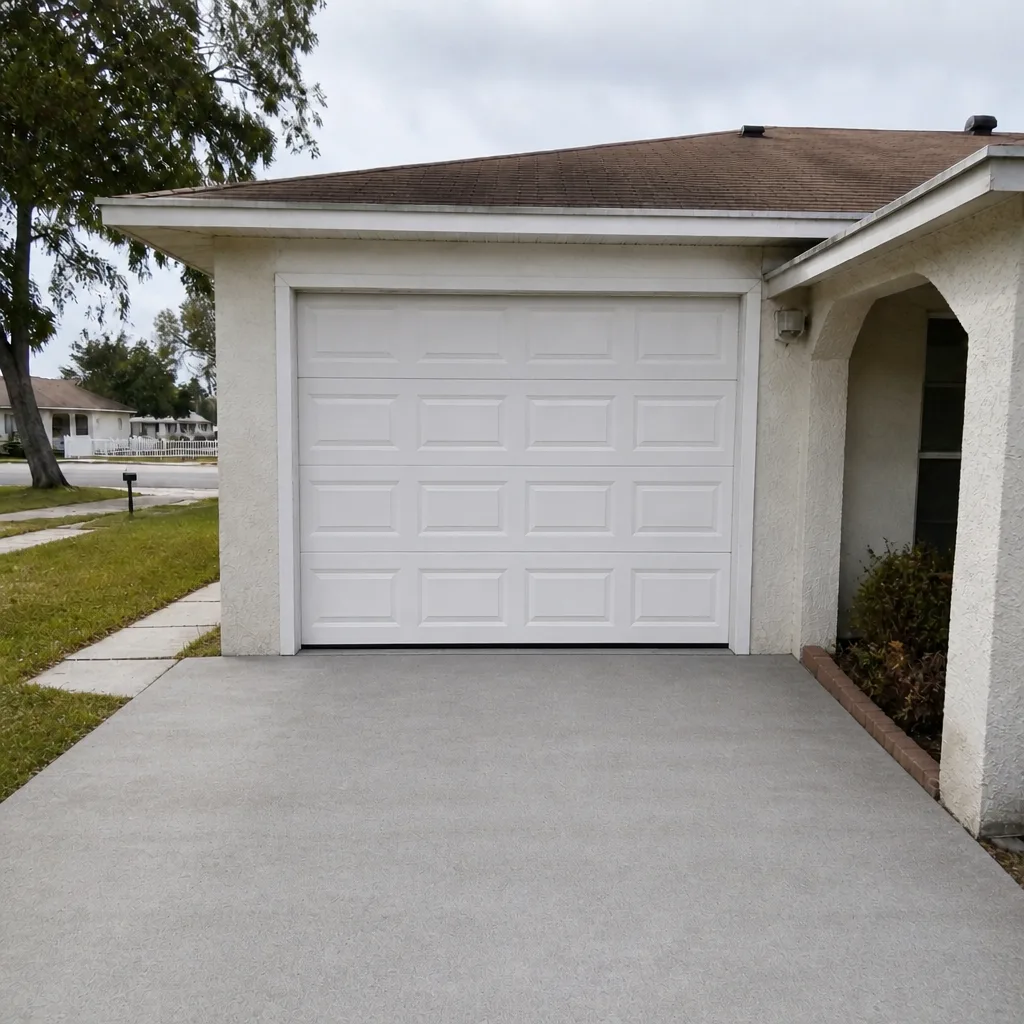 After
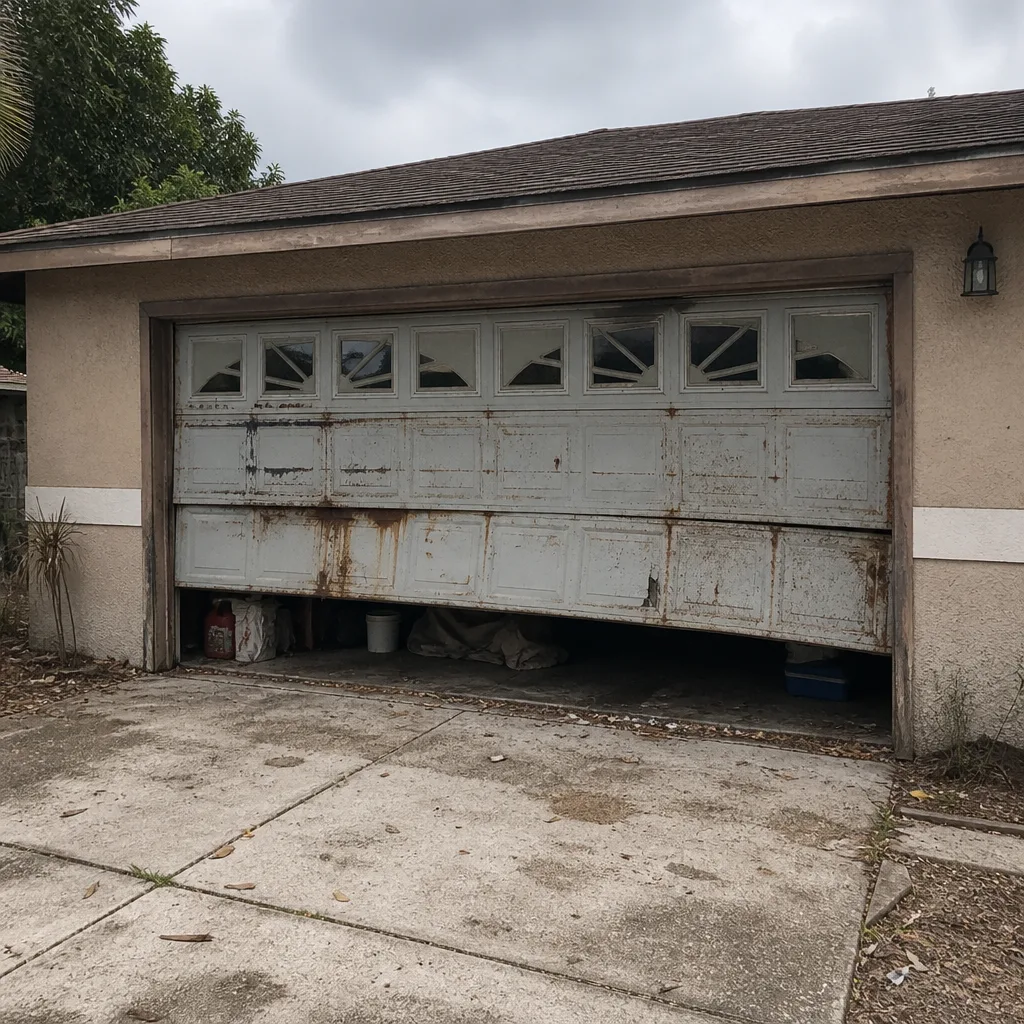 Before
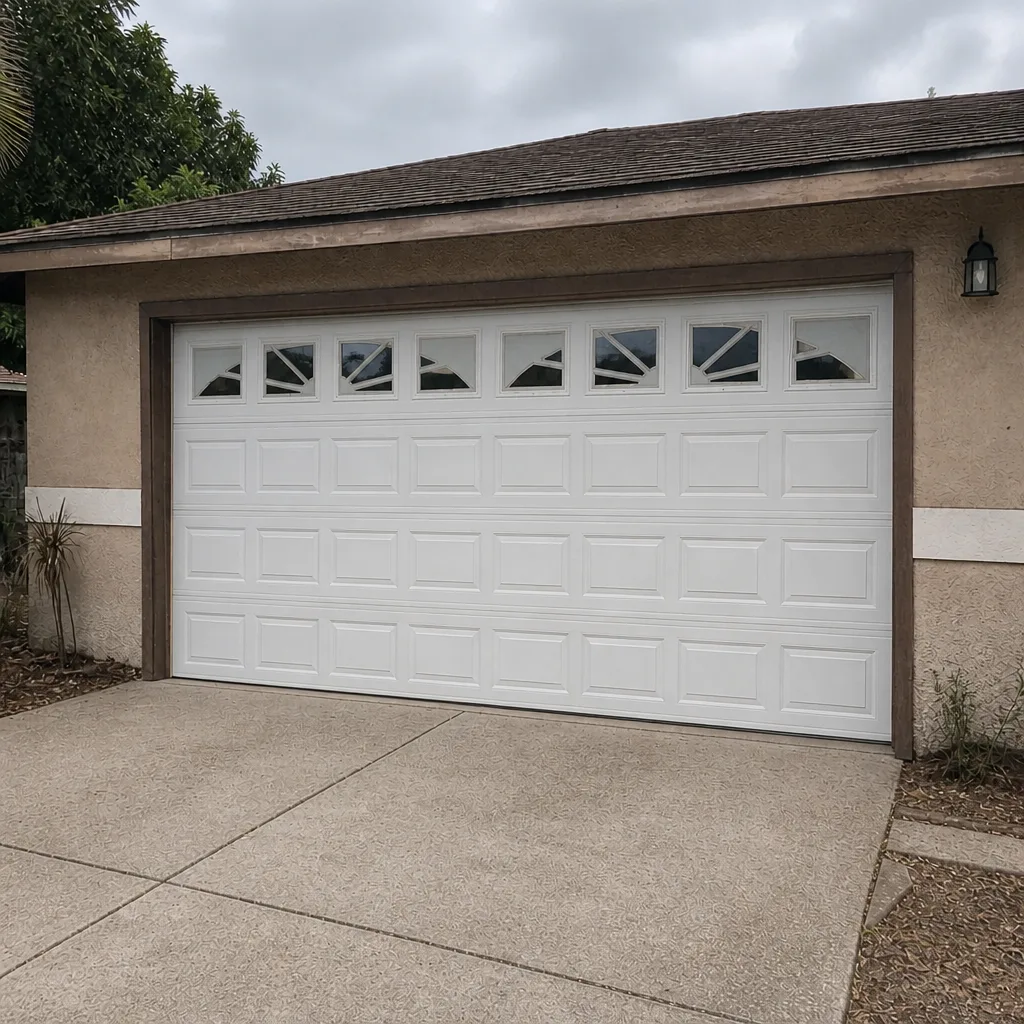 After
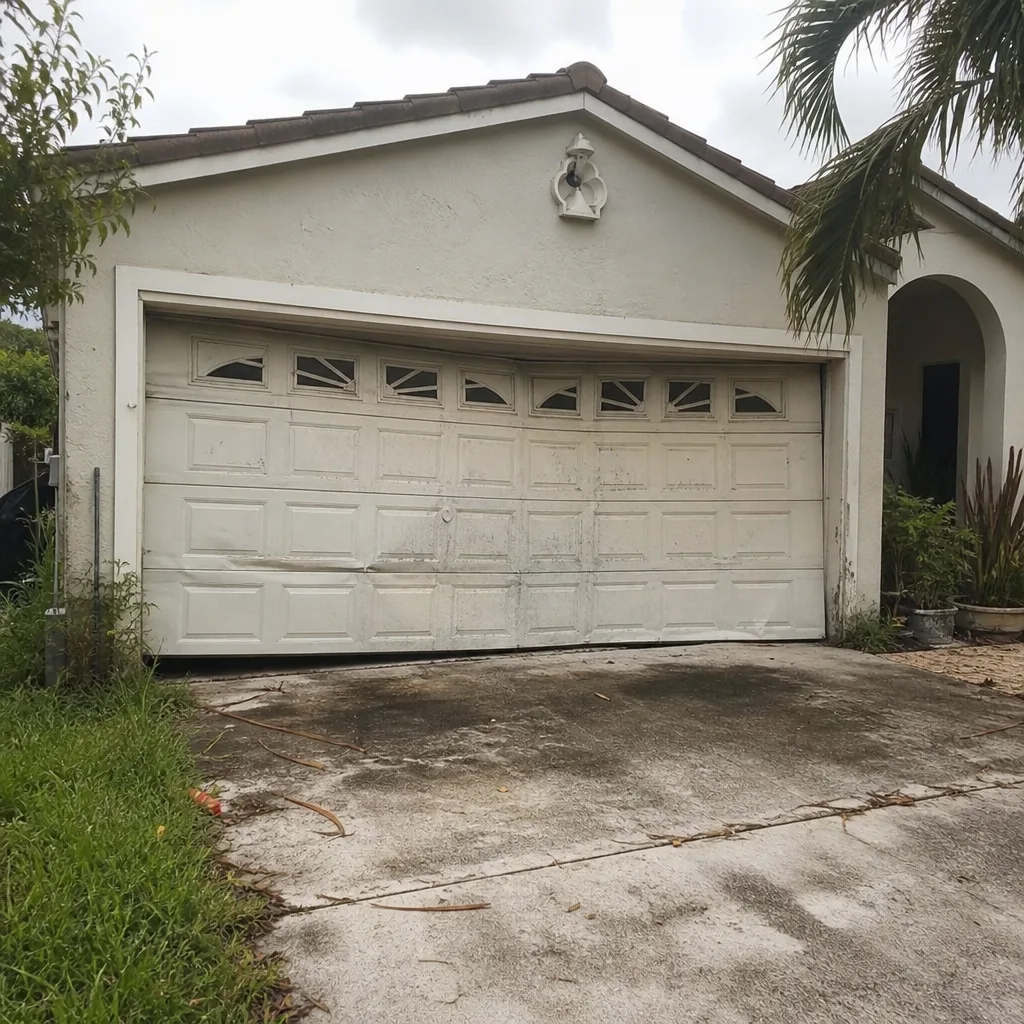 Before
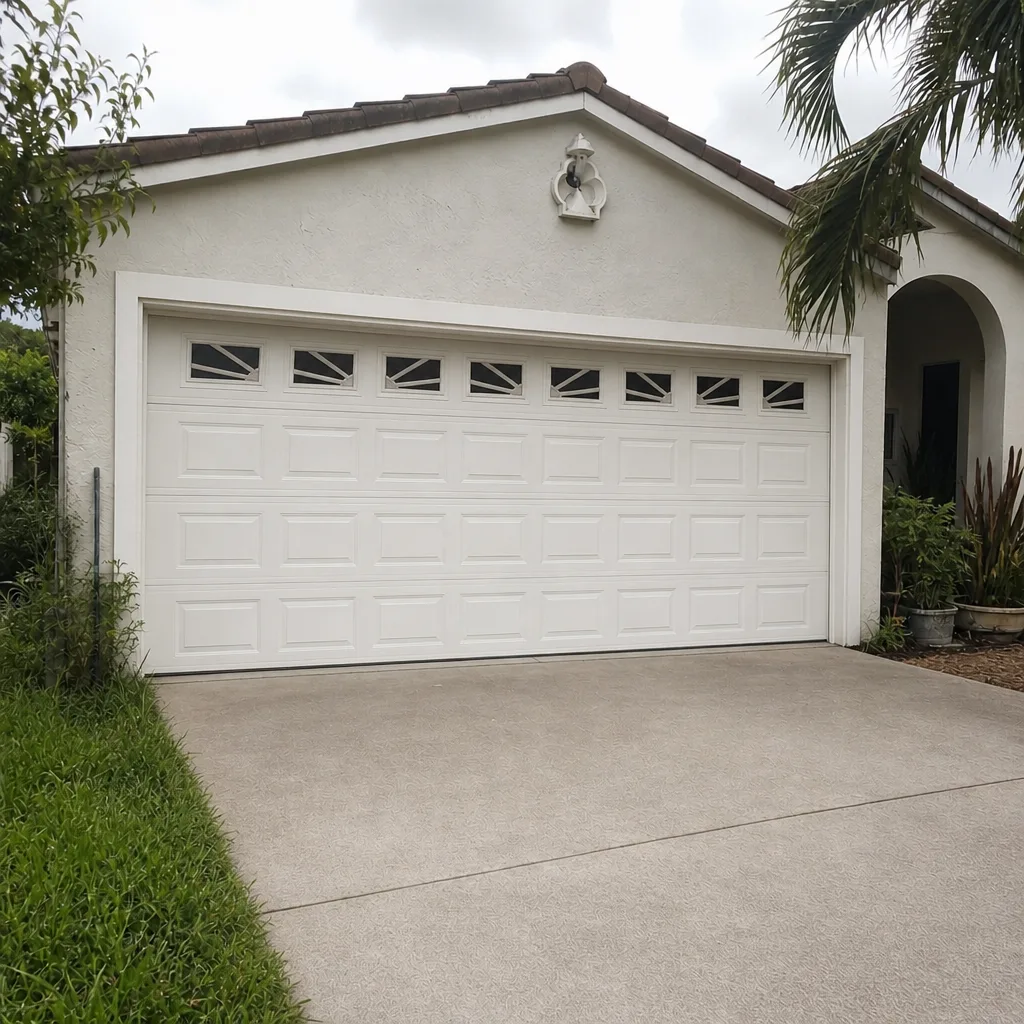 After
When to Call a Professional
Call a technician when the door won’t move at all, when you hear a bang from the garage and the door is suddenly heavy, when a cable is off its drum or slack, when the door hangs crooked, or when the opener runs but the door doesn’t. Call before a named storm if any of the pre-storm checklist fails. Call after a storm before you re-engage the opener if the door took wind or debris. And call if you’ve braced the door and aren’t sure it’s actually secure. Torsion springs, cables, and electrical opener components are dangerous to handle without training, and a door that’s off its tracks can fall. Denali Garage Door Repair offers free estimates in Miramar. Call (866) 552-3599. We answer 24/7. Fast dispatch from 7am to 7pm, Sunday through Friday.
Frequently Asked Questions
Spring repair in Miramar typically costs $180 to $340 for a single spring, and a matched pair is usually replaced together, so a pair runs about twice that. The written estimate sets the final price and is agreed before any work starts. Call (866) 552-3599 for a free estimate.
We dispatch Sunday through Friday from 7am to 7pm, and same-day service is often possible. Our phones are answered 24/7. If you call outside dispatch hours, the job is booked into the next opening, Sunday through Friday, 7am to 7pm. Call (866) 552-3599.
Only if the door is fully closed and the spring system is sound. Pulling the release while the door is partly open is the most common cause of cable derailment, and pulling it on a door with a broken spring can cause the door to drop. If you’re unsure, call first.
No. The price is set by the written estimate, and it’s agreed before any work starts. If the job turns out to involve more than the estimate covered, we discuss it with you before doing the extra work. Call (866) 552-3599 for a free estimate.
Our technicians are experienced garage door specialists, with up to 15 years of experience, and handle the major brands including LiftMaster, Chamberlain, Genie, Clopay, Amarr, Wayne Dalton, Craftsman, and Raynor. Call (866) 552-3599 to ask about credentials for your job.
Do the structural checks before you re-engage the opener: look at the panels, both side tracks, the cables and drums, and the spring, then test the balance by hand. A door can look fine and still be off its tracks. If any check fails, stop and call a technician.
The Bottom Line
The two garage door emergencies Miramar homes face need two different responses. Daily-use failures call for stopping the door and calling a technician. Storm failures call for securing the door, doing the pre-storm checks before landfall, and running the post-storm inspection before you touch the opener. The handling mistakes are the ones that cause the worst damage: pulling the manual release on a partly open door, running the opener after a spring failure, and re-engaging after a storm without the structural checks. Handle the door correctly and most of these problems stay small. Call (866) 552-3599 for a free estimate. We answer 24/7. Fast dispatch from 7am to 7pm, Sunday through Friday.
Written by the team at Denali Garage Door Repair.