
Last updated November 15, 2026
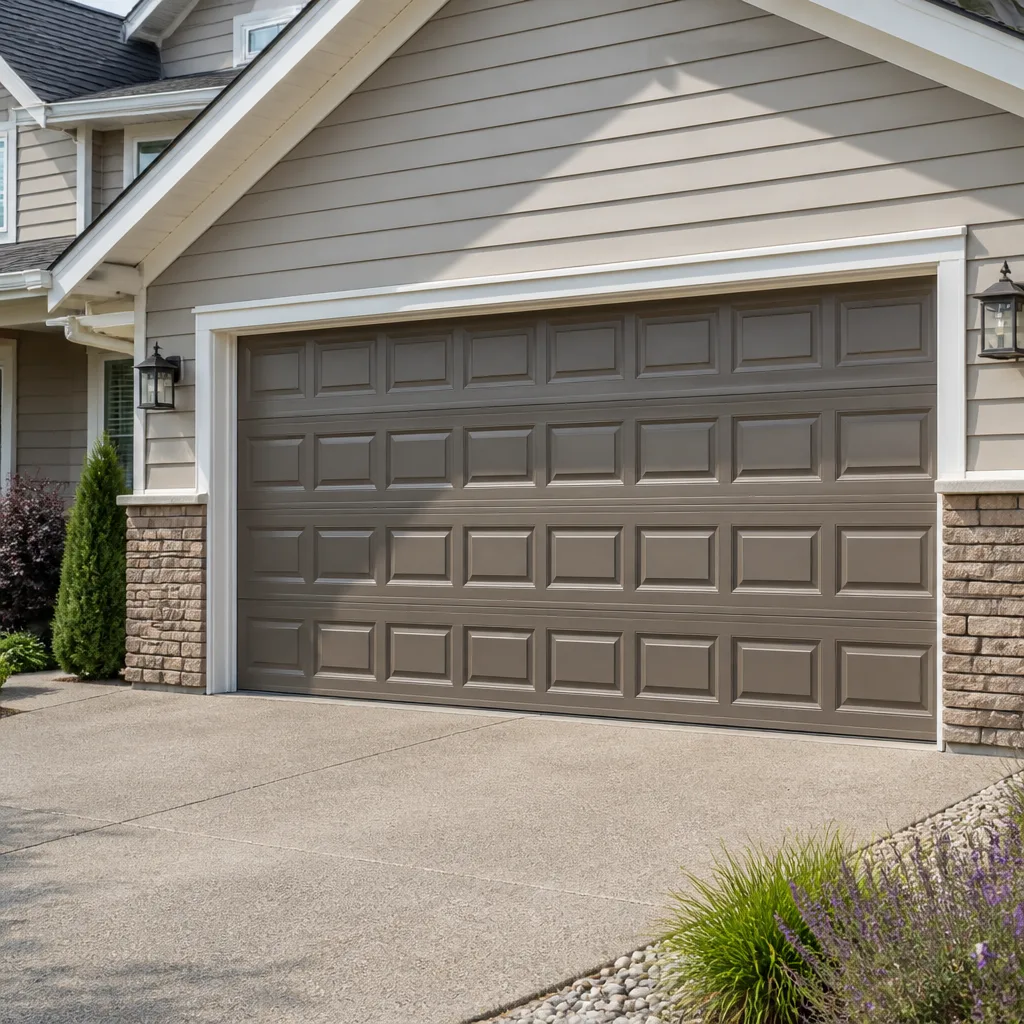 Raised-panel steel
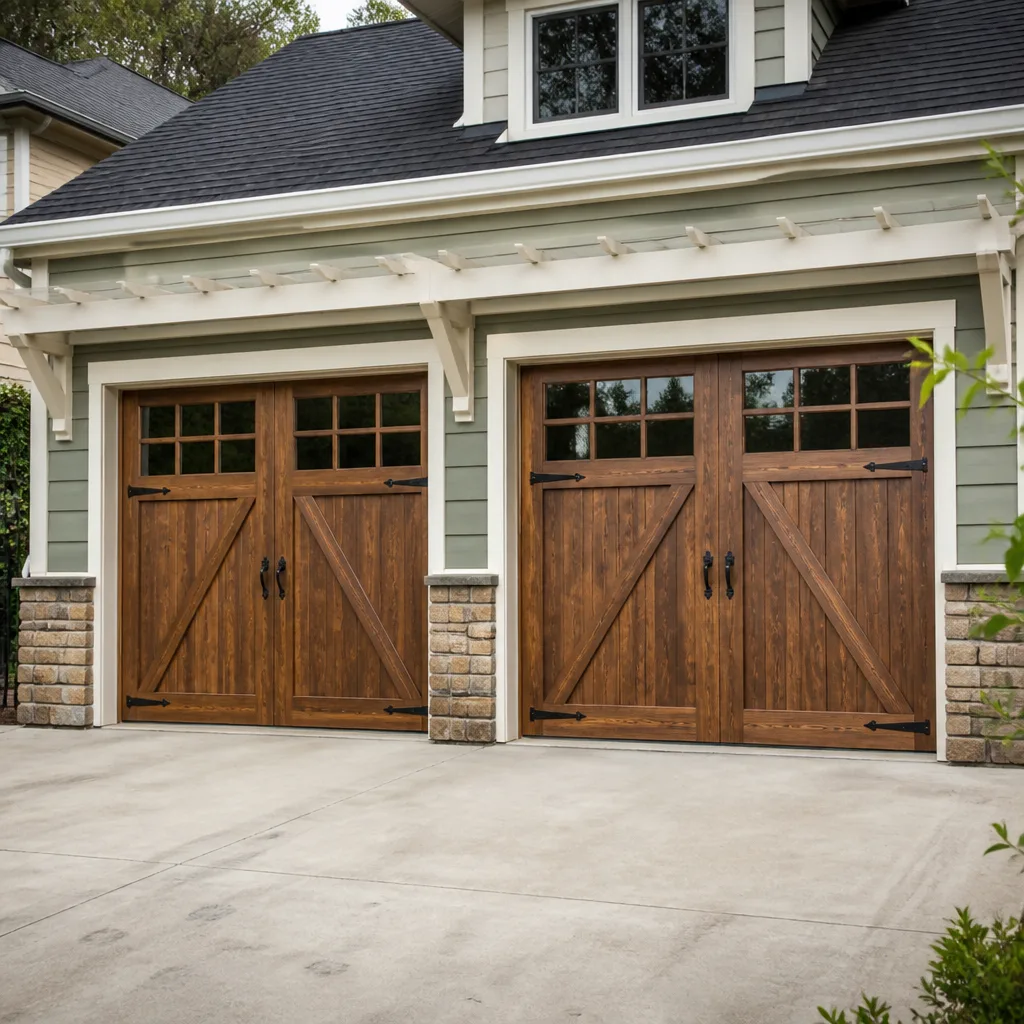 Carriage house
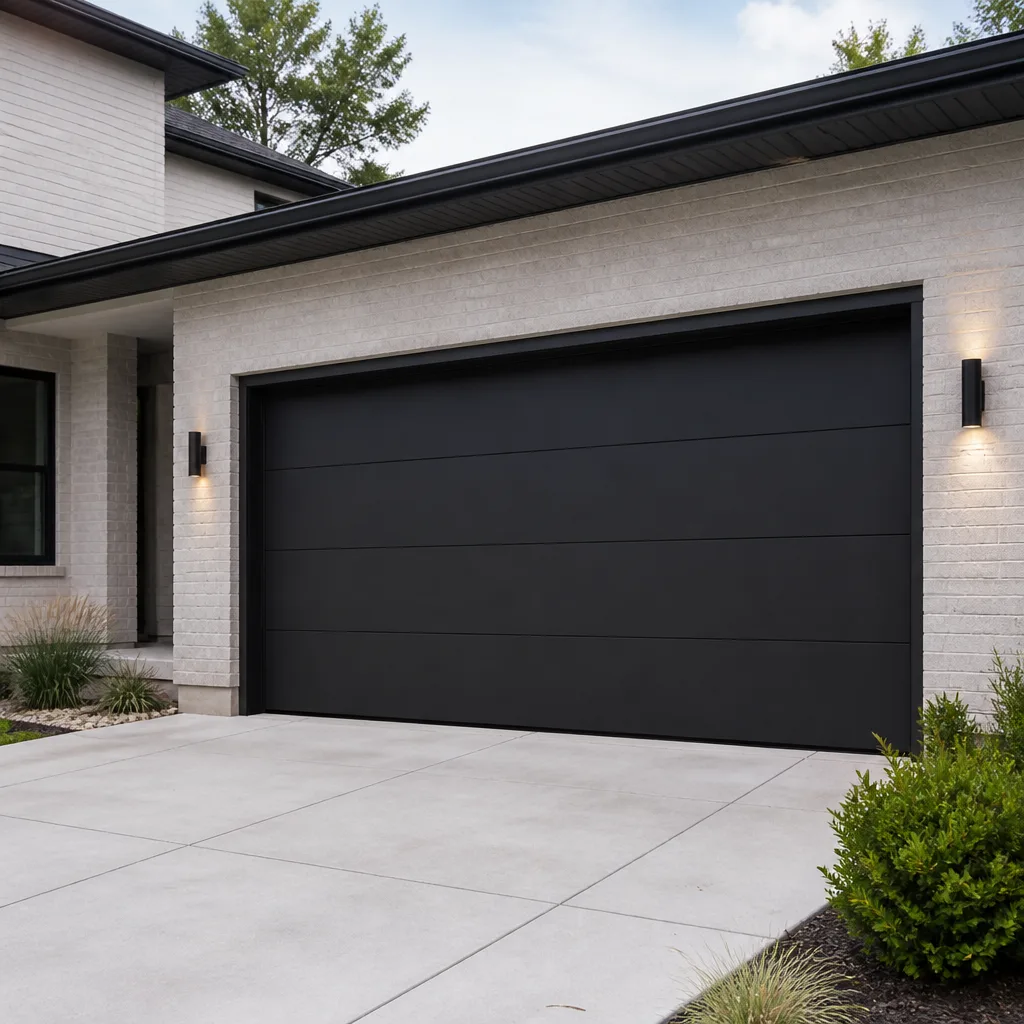 Modern flush
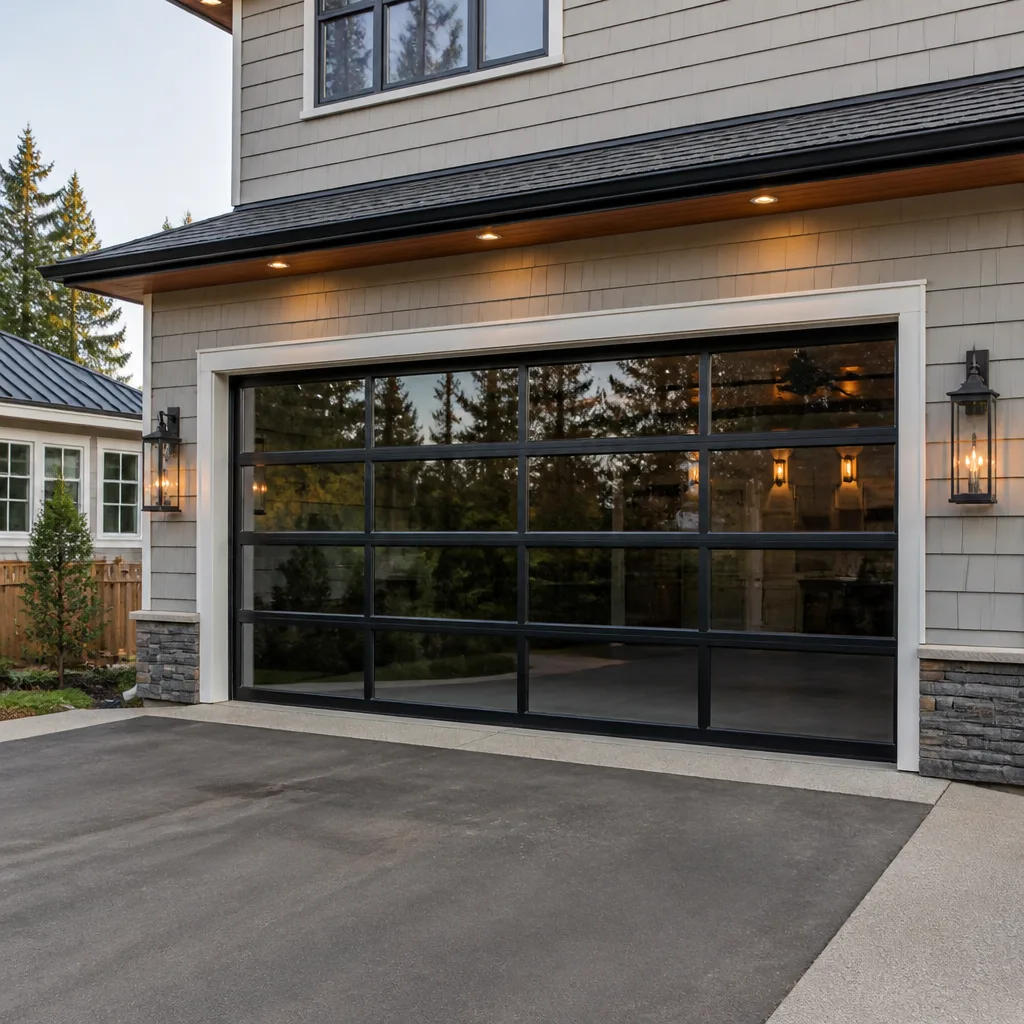 Full-view glass
 LiftMaster openers
 Chamberlain openers
Full 25-point door and opener safety check with every visit - springs, cables, rollers, tracks, and your LiftMaster or Chamberlain opener included
You get a price before we start. It does not change when the pro arrives.
Get your free estimateGarage Door Permits, Codes & Inspections in Miramar, FL: What You Need to Know
Most homeowners assume a garage door is a fixture you buy, install, and forget. In Miramar, it’s a regulated building component with a paper trail that has to survive both a hurricane and a home sale. Miramar sits inside Broward County’s High-Velocity Hurricane Zone, which carries some of the most detailed garage door code requirements in the continental U.S. The gap between what’s actually installed in local neighborhoods and what’s legally documented is wider than most people realize until they file a claim or list the house. This guide explains exactly when a permit is required in Miramar, how product approval works, what the inspector checks, and why “grandfather status” won’t protect what you think it will.
Quick Answer
In Miramar, a full garage door replacement requires a building permit and a final inspection; repairing panels, springs, hinges, or rollers on an existing, already-permitted door generally does not. A standalone opener replacement typically doesn’t require a permit either, but any change that touches the door’s wind-resistance, size, or anchorage does. The door must carry a valid Florida Product Approval for HVHZ use, and the installation must pass a Broward County inspection before the permit closes. Skipping the permit doesn’t lower your risk; it just moves the consequence to your insurance claim or your closing table.
Styles & brands we work with
- Raised-panel steel
- Carriage house
- Modern flush
- Full-view glass
- LiftMaster openers
- Chamberlain openers
Table of Contents
- When Does a Garage Door Need a Permit in Miramar?
- What HVHZ Product Approval Means for Your Door
- How to Read a Florida Product Approval Number Before You Sign
- Wind Mitigation Inspections and Your Insurance Premium
- How the Broward County Inspection Process Works
- Common Inspection Fail Points in Miramar
- What Grandfather Status Protects You From (and What It Doesn’t)
- Selling a Home in Miramar With an Unpermitted Door
When Does a Garage Door Need a Permit in Miramar?
Short answer: A replacement door needs a permit. A repair usually doesn’t. An opener-only swap sits in a gray zone that depends on whether anything about the door’s wind-resistance is affected.
The line between repair and replacement is where most homeowners get it wrong. The permit threshold isn’t “did a technician show up,” it’s “did the door’s structural or wind-resistance performance change.” That distinction matters more in Miramar than in most Florida cities because Broward County enforces the High-Velocity Hurricane Zone rules on every permitted project, not just new construction.
Here’s how the categories break down:
- Full door replacement (same size, same opening): Permit required. The new door must have HVHZ product approval, and the installation must be inspected.
- Sectional panel replacement where the door model changes: Permit required. Even a single changed panel can alter the door’s rated design pressure.
- Panel repair of the same model: Generally no permit, provided the original door was legally permitted and the repair doesn’t change wind-resistance.
- Spring, cable, hinge, or roller replacement: No permit. These are maintenance items on an existing door.
- Opener-only swap, same track and same door: Usually no permit. No structural change.
- Opener swap that requires new mounting, new ceiling anchorage, or track modification: Permit often required, because the anchorage of the door system changed.
- Enlarging or moving the opening: Permit required, plus structural review. This is a full construction project, not a door swap.
In our experience, the confusing case is the man-door-and-garage-door combination in Miramar’s older single-story neighborhoods, where a door was replaced years ago without paperwork. If you don’t know the permit history, pull it before you do anything. The city can tell you whether a door replacement was ever permitted on the property. Call us for a free estimate and we’ll walk the door first, then point you to the paperwork question you actually need answered.
One note on safety: garage door springs and the cables under tension at the corners are genuinely dangerous components. They’re also the parts most likely to fail after a bad install or an old, unmaintained door. Attempting to adjust or replace them yourself causes serious injuries every year across the country. That work belongs with a trained technician, whether or not a permit is involved.
What HVHZ Product Approval Means for Your Door
HVHZ stands for High-Velocity Hurricane Zone, a designation the state applies to Broward and Miami-Dade counties. Every exterior glazed opening and every garage door installed or replaced within it must be tested and approved to withstand the design wind pressures of the zone. The approval is specific to a product, a manufacturer, and an installation method. It is not transferable to a similar-looking door.
For garage doors, product approval means the door has been lab-tested and field-verified to hold against wind pressure with its specific hardware, track, and anchorage in place. It also means the door meets impact-resistance or pressure-resistance criteria that the state accepts for the zone, and the label or documentation is available to the inspector and your insurance carrier.
Miramar has a mix of housing stock built well before the HVHZ rules tightened and homes built after. That means a single block in Miramar can have both a door that was installed legally 25 years ago under older rules and a door installed two years ago under current product-approval requirements. If you live in one of the newer subdivisions where the doors were installed by the builder, the original approval likely exists somewhere in your closing paperwork, or can be requested from the builder. If you’re replacing, the manufacturer must supply a current approval that matches the door being installed.
Residential garage doors that carry HVHZ approval are made by a limited set of manufacturers, including Clopay, Amarr, and Wayne Dalton. Because the current approval list shifts as manufacturers update testing, always verify the exact approval before signing a quote. A door that looks right but doesn’t have a matching approval can pass a visual inspection and still fail the paperwork. That failure costs the installation.
How to Read a Florida Product Approval Number Before You Sign
Every legal HVHZ garage door in Florida carries a Florida Product Approval number, formatted with the manufacturer’s designation and a product approval identifier. When you accept a door quote, the approval number should appear on the quote or the accompanying product sheet. Ask for it in writing.
Here’s how to use it:
- Get the number on paper before signing the installation contract. Don’t accept “the door is HVHZ rated” as a verbal answer.
- Open the Florida Building Commission’s product approval database and search the number. Confirm the entry lists your exact door model, size range, and installation type.
- Check the approval’s effective dates. Product approvals are periodically updated and superseded. A door approved under a prior revision may need to be installed under conditions listed on the current version.
- Confirm the installation conditions match your home. Approval conditions include anchorage, sill type, and whether the door has glazing. A garage door with windows must be approved with the windows.
- Save a copy with your home records, along with the permit number and the final inspection sign-off. That packet is what you produce at a home sale or an insurance review.
In our experience, the failures we see in Miramar don’t come from bad doors; they come from missing paperwork. The door was installed correctly, but the approval isn’t documented, and the file can’t be reconstructed fast enough at closing. Ask for the number at the quote stage and the problem disappears. Denali Garage Door Repair only installs doors for which an approval is available for your model and size. When you’re considering a replacement, we’ll send you the approval reference alongside the quote.
Wind Mitigation Inspections and Your Insurance Premium
Your garage door’s approval status can affect your wind mitigation credit, and in Broward County those credits matter. A garage door that’s permitted, compliant, and documented can support the credit applied through a wind mitigation inspection. An unpermitted or undocumented door can leave the credit off the table, and the difference shows up in your annual premium.
The wind mitigation inspection form used in Florida is the OIR-B1-1802. It’s completed by a licensed inspector or qualified professional and submitted to your carrier. The form documents the home’s wind-resistive features, including the type, approval, and installation of the garage door. The inspector will check:
- Whether the door carries a valid Florida Product Approval or Miami-Dade NOA.
- Whether the door’s anchorage and track match the approval’s installation conditions.
- Whether the original permit and final inspection can be located.
- Whether the door is labeled by the manufacturer.
- Whether the door’s condition supports the rated performance.
If the door was installed without a permit, the inspector may not be able to verify these items, and the credit can drop off. What that costs your premium depends on your carrier, your policy, and your home’s other features. We can’t give you a number, and you shouldn’t trust anyone who does. What we can tell you is that the door component is a documented item, and documentation requires a permit at installation.
If you’re planning a Miramar garage door repair on a door that’s already compliant, keep the original paperwork. If you’re replacing, don’t sign with an installer who shrugs at the approval question. This is the single point where insurance and code intersections actually matter for a homeowner. Call us for a free estimate on the door itself, and we’ll flag the paperwork steps alongside it.
How the Broward County Inspection Process Works
The permit-holder schedules the inspection, the inspector verifies the door against the approved plans and product approval, and the permit closes when the installation passes. On a Miramar garage door replacement, the sequence usually runs over a short window, but the steps are specific.
Here’s what the process looks like, step by step:
- Permit application. Filed with the City of Miramar’s building department. The application includes the door make and model, the Florida Product Approval number, the installation details, and the contractor information.
- Permit issuance. Once approved, the permit is issued and the installation can proceed.
- Installation. The door is installed to the approved conditions. Track, anchorage, springs, and weather sealing all go in per the product approval.
- Inspection scheduling. The permit-holder or the installing contractor requests the inspection. In most cases the contractor handles this as part of the job.
- Inspection. The inspector confirms the installed door matches the permitted model, checks anchoring and hardware, reviews the product approval, and notes any deviation.
- Pass or correction. A pass closes the permit. A correction notice identifies the issue, which is addressed and re-inspected.
In our experience in Miramar, the biggest single driver of a correction notice is a mismatch between the door on the plan and the door actually installed, usually because a substitution was made on the day of the job. The second most common is an anchorage detail that was changed for the home. Both are avoidable with a proper pre-installation check. When we quote a door, the quote locks the model and the approval; the installation follows that model, not a close-cousin.
Missing or unsigned permit paperwork is another common snag. If your contractor installs the door and then disappears, the permit stays open, and an open permit can block a future sale. Always confirm the permit is issued before the install date and confirm it’s closed after. Ask us to walk you through the permit steps on a quote if you’re not sure.
Common Inspection Fail Points in Miramar
The most common garage door inspection failures involve mismatched approvals, wrong anchorage, unaddressed openings, and missing product labels. All of them are correctable, and all of them are easier to avoid than to fix.
Here’s what we see most:
- Approval-to-door mismatch. The door installed doesn’t exactly match the approval model, size, or glazing. Even a minor variance in a panel configuration can void the approval status.
- Anchorage not per the approval. The installation instructions call for specific anchor spacing, embedment, or substrate. If the installer substitutes or skips anchors, the door is functionally weaker than rated.
- Opener deviation from plan. If the opener or the door’s lift method wasn’t on the plan and the inspector references the drive system, a deviation can trigger a note.
- Missing label. HVHZ-approved doors carry manufacturer labeling. If the label was removed during install or never applied, the inspector may reject the file.
- Weather sealing not per spec. Thresholds, jamb seals, and perimeter sealing are part of the system. Missing seal components can register as incomplete.
- Existing structural issues at the opening. Rotted framing, an uneven header, or a sagging lintel at the opening can fail an install that would otherwise pass. In Miramar’s wood-frame homes this comes up more than you’d expect.
- Open permit from a prior install. The new door can be installed correctly and still trip up the file because the property has a previous open permit on the same opening.
Every one of these is a paperwork and installation-detail problem, not a door-quality problem. That’s why our process starts with a pre-installation review: confirm the door, confirm the model on the approval, confirm the opening, and lock the install plan before the truck leaves. It takes an extra step up front and saves the correction notice later.
What Grandfather Status Protects You From (and What It Doesn’t)
“Grandfather” status is much narrower than it sounds. A legally installed door that predates a code revision is generally allowed to stay in place under the rules in effect at the time it was installed, provided it was installed with a permit and has not been substantially altered. What grandfather status does not do is convert an unpermitted door into a legal one.
Here’s the distinction that matters in Miramar:
- Legal, older install: Permitted and inspected under an earlier code cycle. Grandfather status generally protects it from being brought up to current HVHZ product approval during a repair or non-structural work. The door stays.
- Unpermitted install: No permit, no inspection, no approval documented. Nothing about this door is “grandfathered.” It was never legally installed, so there’s nothing to grandfather.
- Legal, but altered without a permit: A permitted door that later had a different panel, spring, or anchorage installed without permit. The legal status of the original install doesn’t necessarily extend to the alteration.
- Full replacement, regardless of age: If the door is being replaced, the current code applies. Grandfather status never protects a new install from HVHZ rules.
When you sell a Miramar home with an unpermitted garage door, the buyer’s inspection and the title search can both surface it. Depending on the buyer’s lender, the situation may require a retroactive permit, an affidavit, or a full replacement. A retroactive permit on a door that can’t be verified is often harder than installing a new, approved door. In our experience, homeowners who clear this at the closing table usually pay for a new door anyway; they just pay for it twice, once for the door and once for the timeline pressure.
If you’re planning to sell, pull the permit file before you list. Call us for a free estimate and we’ll tell you where the door stands against the current approval, so the disclosure you file on the way out is accurate.
Selling a Home in Miramar With an Unpermitted Door
Selling with an unpermitted door isn’t a dead end, but it’s slower and more expensive than fixing it early. The buyer’s inspection, the appraisal, and the title search can each raise the question. How it’s handled depends on the buyer’s lender and the specific circumstances of the property.
The typical paths look like this:
- Pull the permit history first. Confirm whether the door was ever permitted, and whether the permit was closed. The city records are the starting point.
- Assess the current door against the HVHZ standard. An installer or inspector walks the door and identifies whether a retroactive permit is realistic.
- Decide between retroactive permit and replacement. Retroactive permits are sometimes available when the installed door matches a current approval and passes an inspection. When they’re not, replacement is the path.
- Install a compliant door with a permit and inspection. This produces the paperwork packet a buyer’s lender will want: permit, product approval, inspection sign-off.
- Update your wind mitigation records. A compliant, documented door supports the wind mitigation credit on the OIR-B1-1802 and can help your current or next insurance underwriting.
In Miramar, homes in the established neighborhoods around the 33023 and 33025 areas frequently have older doors that were replaced during a remodel or repair without a permit. If you’re inside a community with an HOA, the HOA’s records may also dictate the door model and color you can install, which adds a step to the process. Confirm HOA rules before you sign anything.
Common Mistakes to Avoid
- Assuming a “same size” door doesn’t need a permit. Size is one variable; approval, model, and installation method are others. In HVHZ, any full door swap needs a permit regardless of size.
- Accepting “HVHZ rated” without a product approval number. It’s not enough to be told the door meets the code. The approval number must match the model and installation conditions, and it should appear on the quote.
- Letting the installer substitute a door on the day of the job. A substitution without a matching approval is the single most common inspection failure. Lock the model in writing.
- Losing the paperwork after inspection. The permit and final inspection sign-off are what you produce at a closing or insurance review. Save them with the home’s records.
- Trusting grandfather status to cover a door that was never permitted. No permit means nothing to grandfather. Pull the file before you rely on it.
- Replacing an opener without confirming whether the anchorage is affected. A like-for-like swap is usually fine. A new opener with a different mounting and rail system can trigger a permit question.
- Ignoring HOA rules. If your Miramar community has one, the door color, model, and windows may be restricted. HOA non-compliance is a separate issue from the building code, but it can hold up a sale.
- Handling springs or cables yourself. These components are under high tension and can cause serious injury. That’s a trained-technician job, full stop.
See the difference
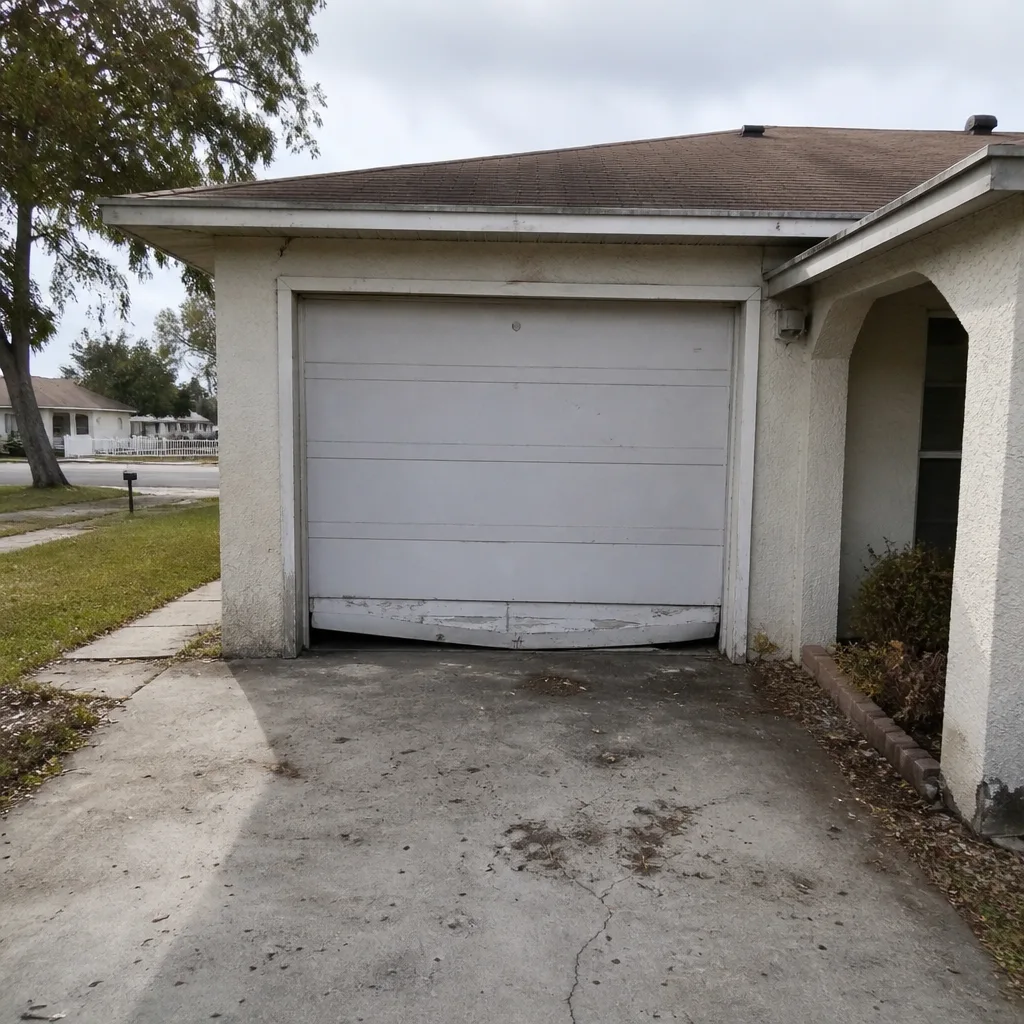 Before
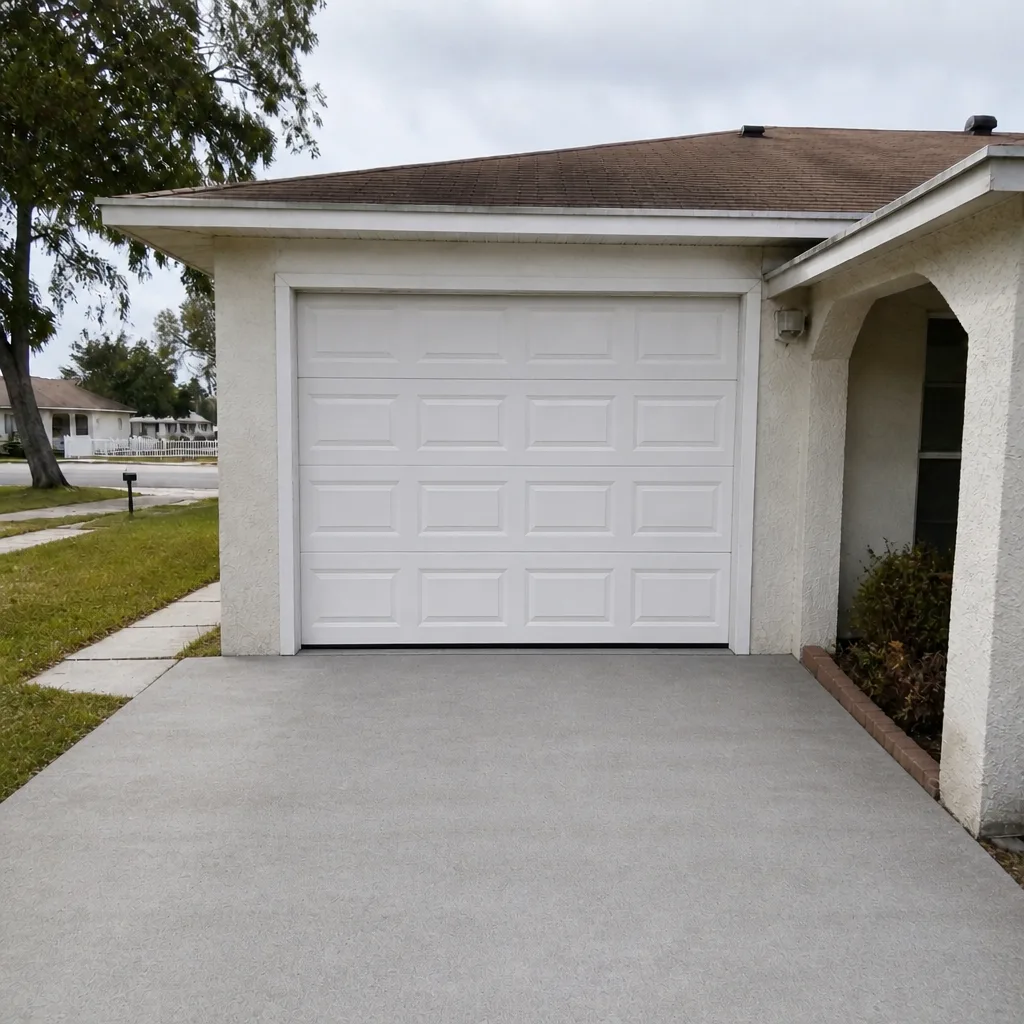 After
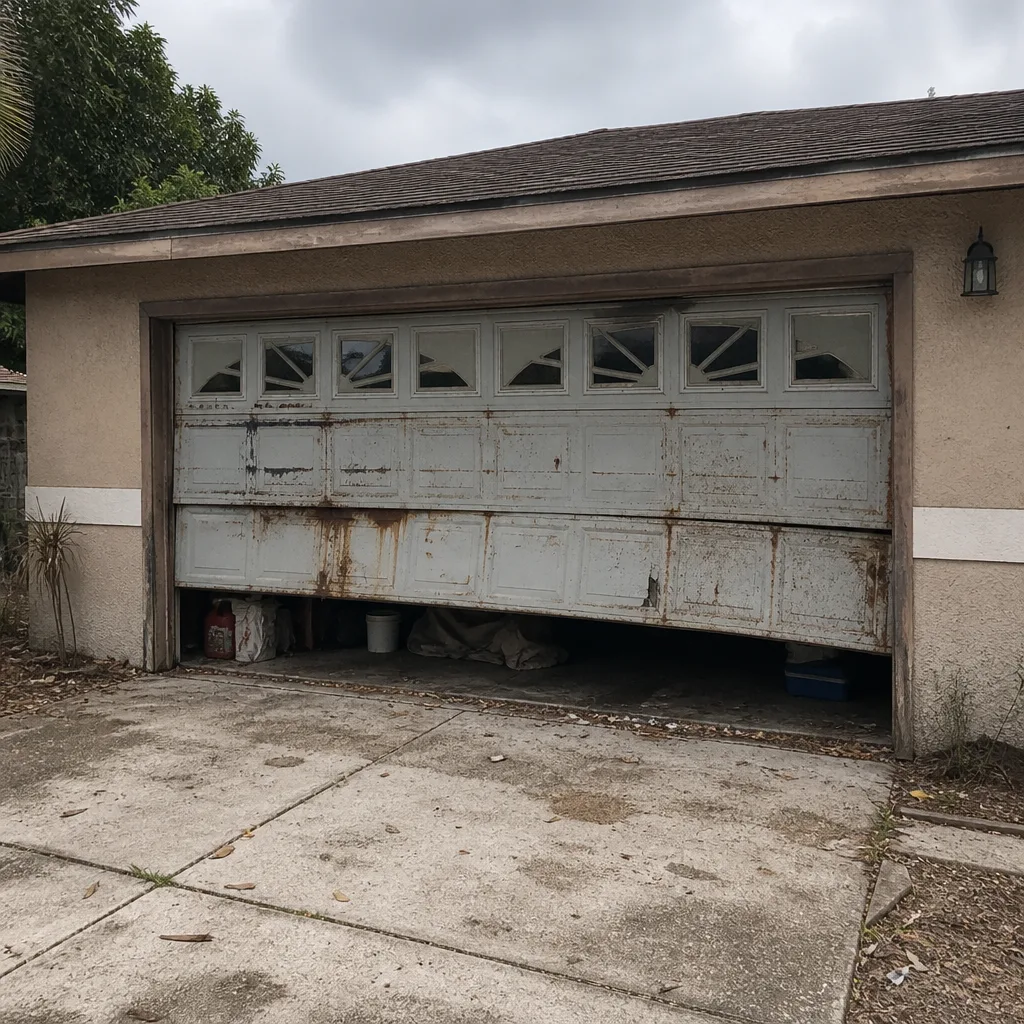 Before
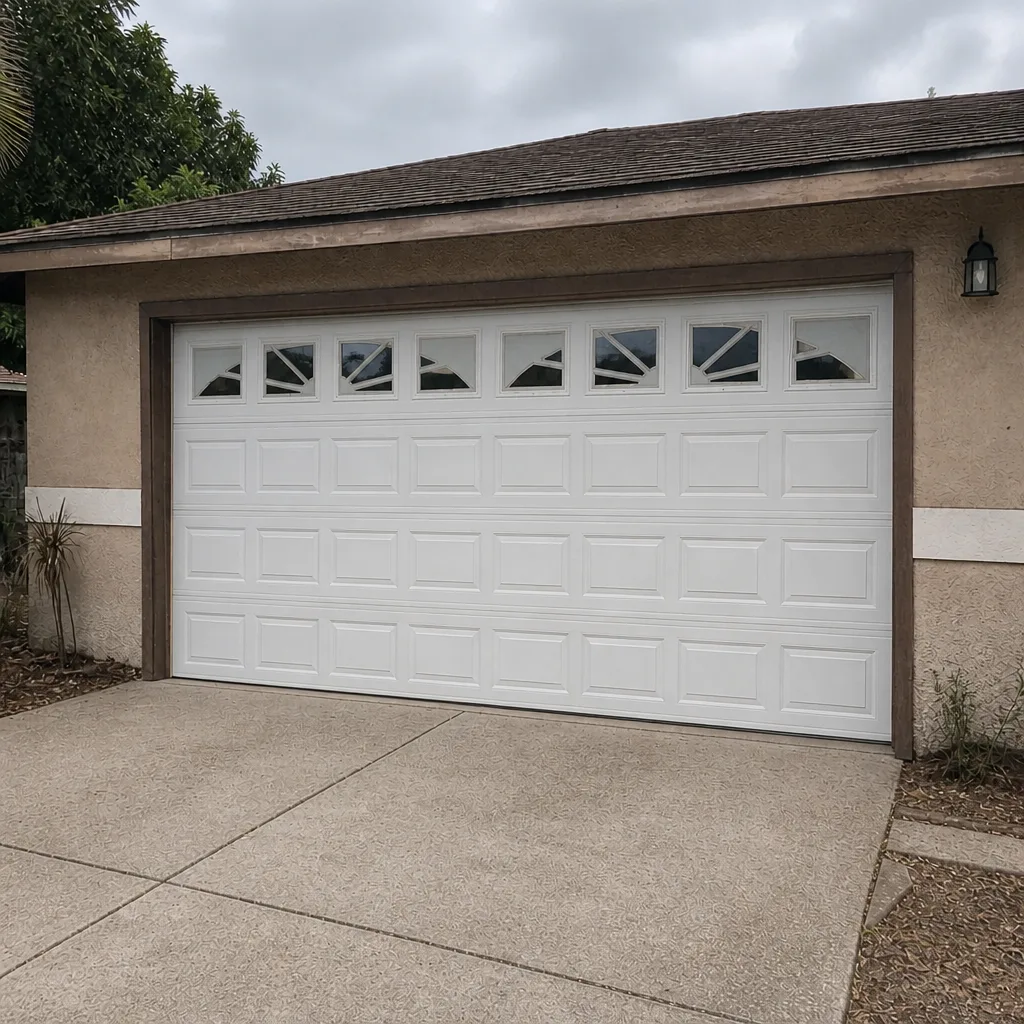 After
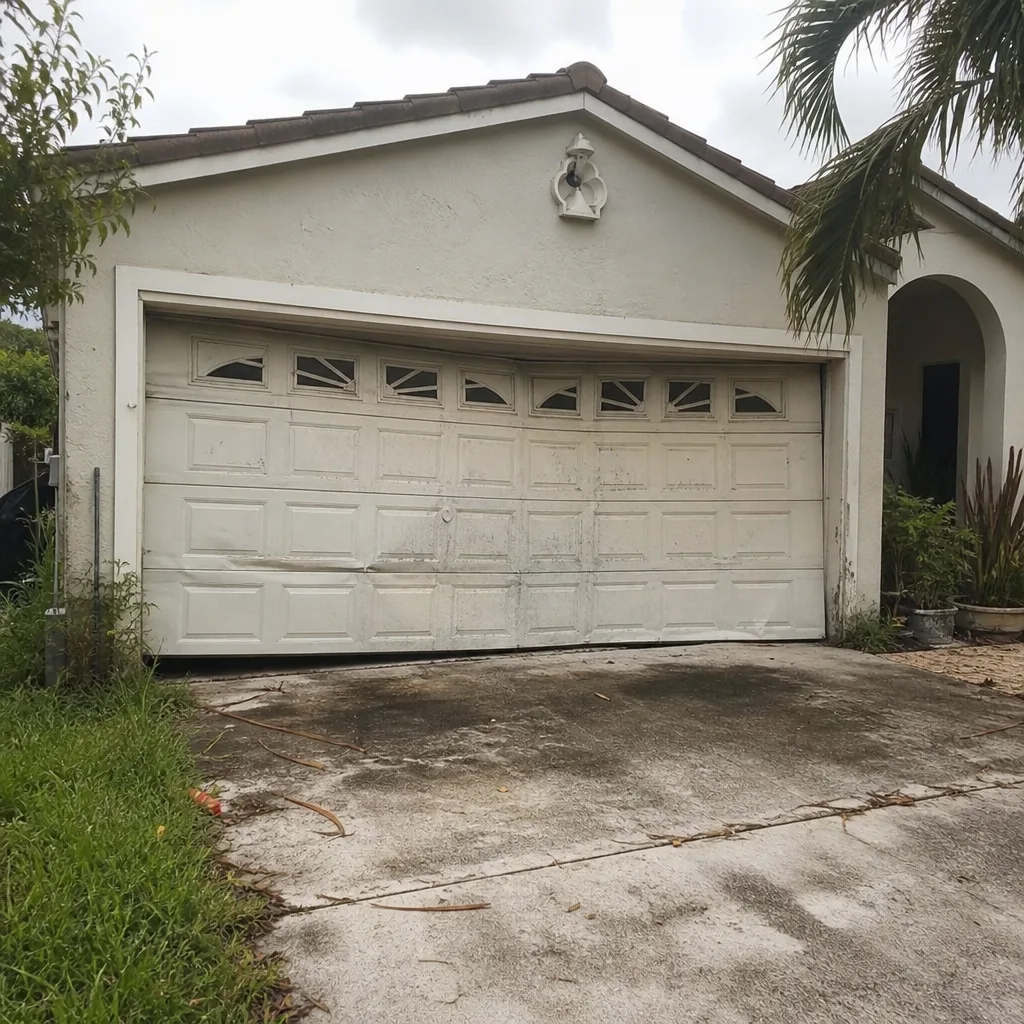 Before
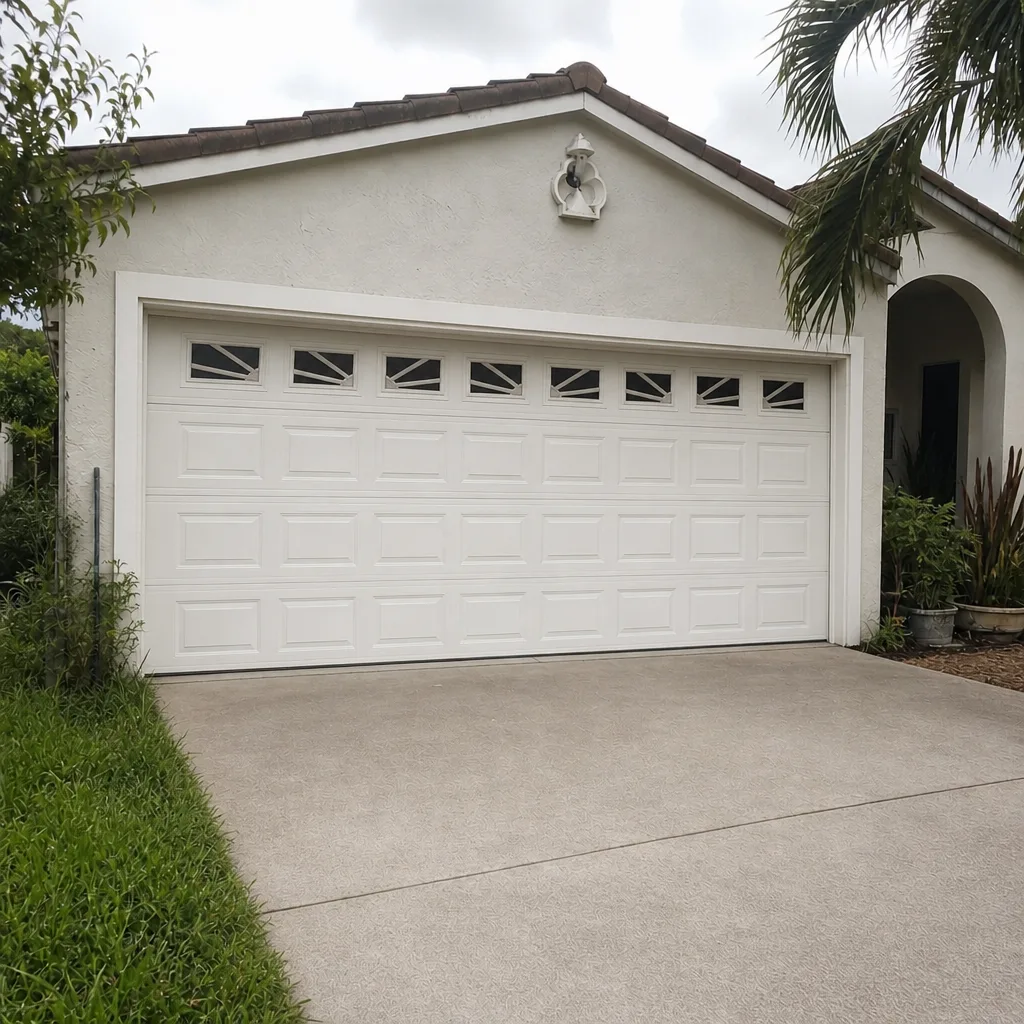 After
When to Call a Professional
Call a trained garage door specialist to handle any permit-required work, any door replacement, and any spring or cable work without exception. Even a panel repair on a legally installed door is worth a look when you’re not sure whether the repair changes the door’s rated performance. If you’re planning to sell in Miramar and don’t know the permit history on your door, that call is worth making before the listing photos. If the door failed during a storm and you’re on the fence about filing a claim, pull the permit history before you call the insurance company. And if you’re considering a new door and want to know which models actually carry current HVHZ approval for your opening, that’s the kind of question we answer every week. Denali Garage Door Repair offers free estimates in Miramar, with the approval reference attached to the door quote. Call (866) 552-3599. We answer 24/7. Fast dispatch from 7am to 7pm, Sunday through Friday. Our technicians have up to 15 years of experience.
If you’re replacing the door, the estimate is measured, quoted, and written before any work starts. The written estimate sets the final price. If you’re repairing a door that’s already compliant, the same rule applies: the price is agreed before we touch the track. Same-day opening service is a separate service and is handled on the repair side of the business.
Frequently Asked Questions
Yes. A full garage door replacement in Miramar requires a building permit and a final inspection before the permit closes. The door must carry a valid Florida Product Approval for HVHZ use. The permit-holder or the installing contractor schedules the inspection. Call (866) 552-3599 for a free estimate; the approval reference goes on the quote.
Usually not, as long as the repair doesn’t change the door’s wind-resistance or structural character. Spring, cable, hinge, and roller replacement on an already-permitted door are maintenance items. Panel repair of the same model is also generally unpermitted. A panel change that alters the door’s rated design pressure does need a permit. Call for a free estimate if you’re not sure which side of the line you’re on.
HVHZ stands for High-Velocity Hurricane Zone. Broward County, which includes Miramar, falls inside it. Every garage door installed or replaced in the zone must be tested and approved to the design wind pressures the zone requires, and the approval must be documented. An unapproved or undocumented door can affect your wind mitigation credit and your ability to close a sale. Call (866) 552-3599 for a free estimate on a compliant door.
The price depends on the door model, size, and opener, and it’s set per job by a written estimate. We don’t quote a flat number sight-unseen and we don’t rely on ranges that don’t match the door. Every quote includes the model and the product approval reference. Call (866) 552-3599 for a free estimate; the written estimate sets the final price.
It’s possible, but it slows the sale and often leads to a replacement or retroactive permit at the worst possible time. The most reliable path is to pull the permit history, have the door assessed against current approval, and either obtain a retroactive permit if the door qualifies or replace with a compliant, permitted door. Call (866) 552-3599 for a free estimate on either path.
A permitted, HVHZ-approved, documented door supports the wind mitigation credit reported on the OIR-B1-1802. Whether and how much that affects your premium depends on your carrier, your policy, and your home’s other features. We can confirm the door’s approval status; your insurance agent can tell you the credit impact. Call (866) 552-3599 for a free estimate with the approval reference included.
The permit-holder or the installing contractor schedules the inspection. The inspector verifies the installed door against the permitted model and the product approval, checks anchorage and hardware, and notes any deviation. Common fail points are a door that doesn’t match the approval, anchorage not per the installation instructions, missing labels, and incomplete perimeter sealing. Call (866) 552-3599 with questions before a quote.
Yes. Our three services are garage door repair, garage door opener repair, and full door installation. We work with Genie, Clopay, Amarr, and Wayne Dalton, among other major manufacturers, so a door and its opener can be quoted as one system. That matters for approval paperwork, because the door’s rated performance is tied to its hardware. Call (866) 552-3599 for a free estimate.
The Bottom Line
Garage door permits in Miramar aren’t a formality. A replacement door inside the HVHZ needs a permit, a valid Florida Product Approval, and a passed inspection, and those three pieces of paperwork are what support your wind mitigation credit and your home’s resale file. Repairs to an existing, permitted door are usually exempt; full replacements and any change to wind-resistance are not. Grandfather status protects legally installed older doors, not unpermitted ones. If you don’t know your door’s history, pull the file now rather than during a sale or an insurance review. When you’re ready for a garage door repair or a new install in Miramar, get a written quote with the approval number included.
Denali Garage Door Repair is a garage door specialist in Miramar handling repair, opener service, and full installation across the industry’s most widely installed brands. Your brand. Our expertise. Call (866) 552-3599 for a free estimate. We answer 24/7. Fast dispatch from 7am to 7pm, Sunday through Friday.
Written by the team at Denali Garage Door Repair.