
Last updated November 15, 2026
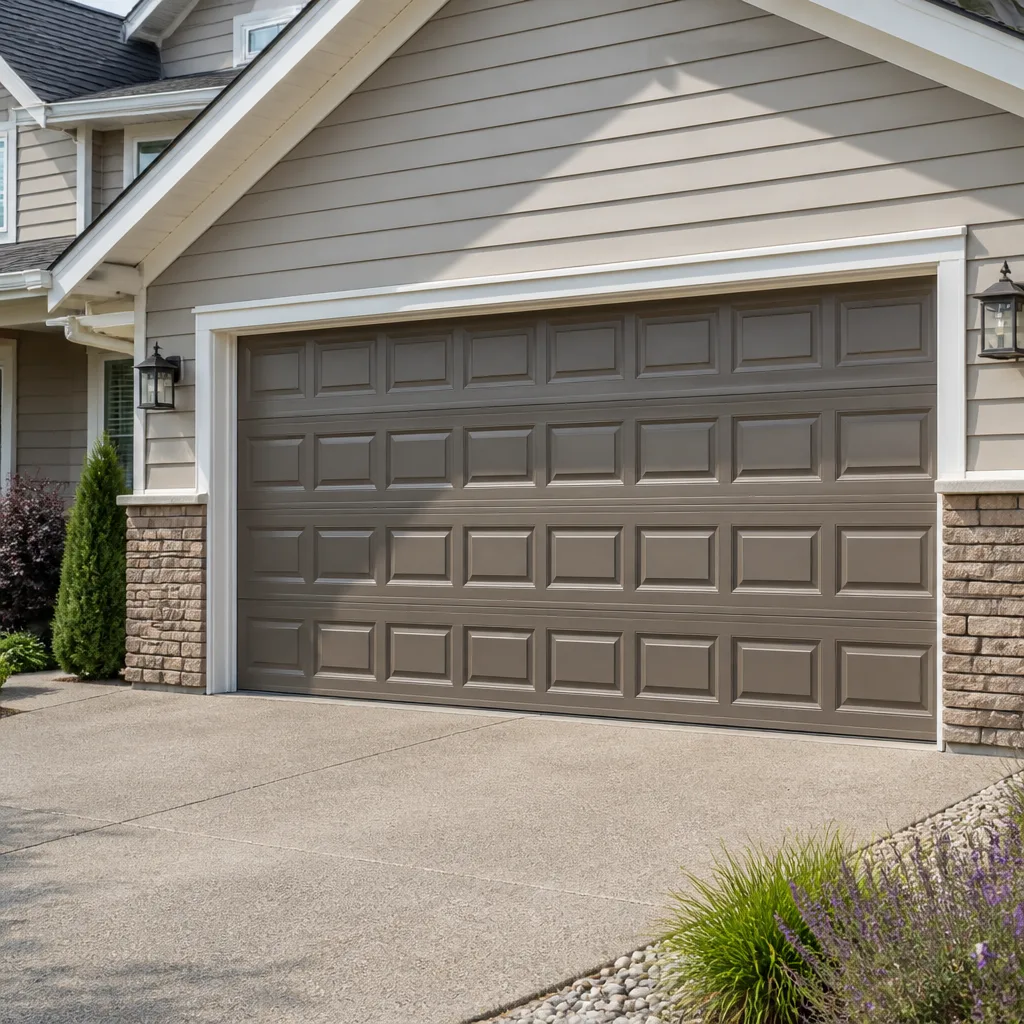 Raised-panel steel
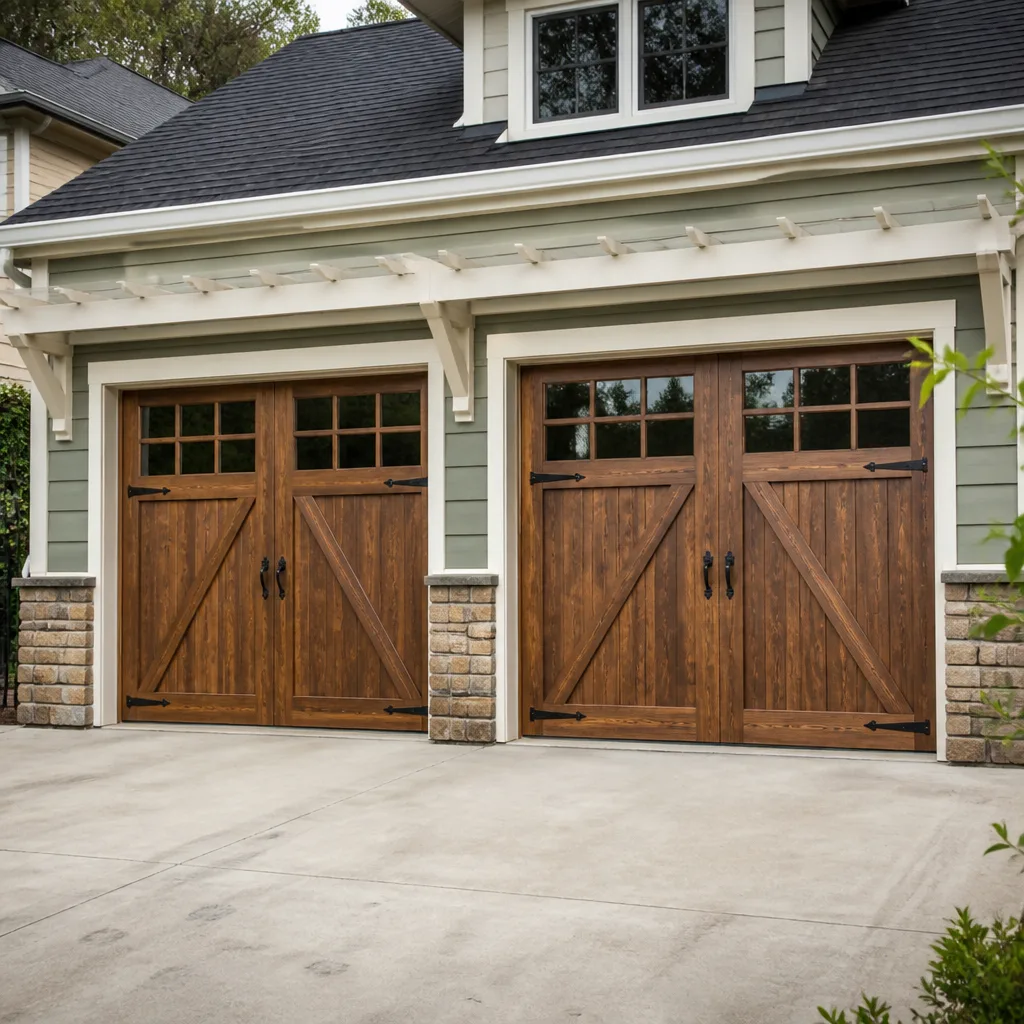 Carriage house
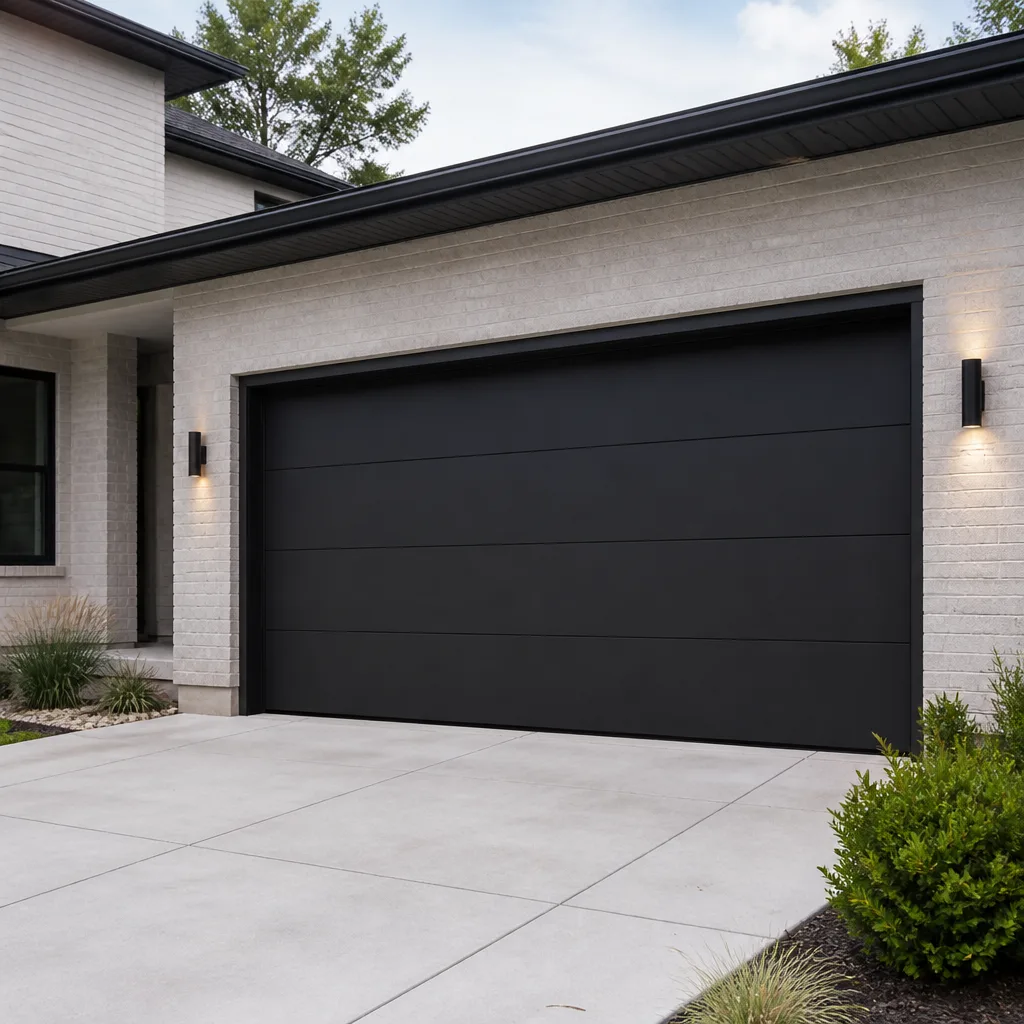 Modern flush
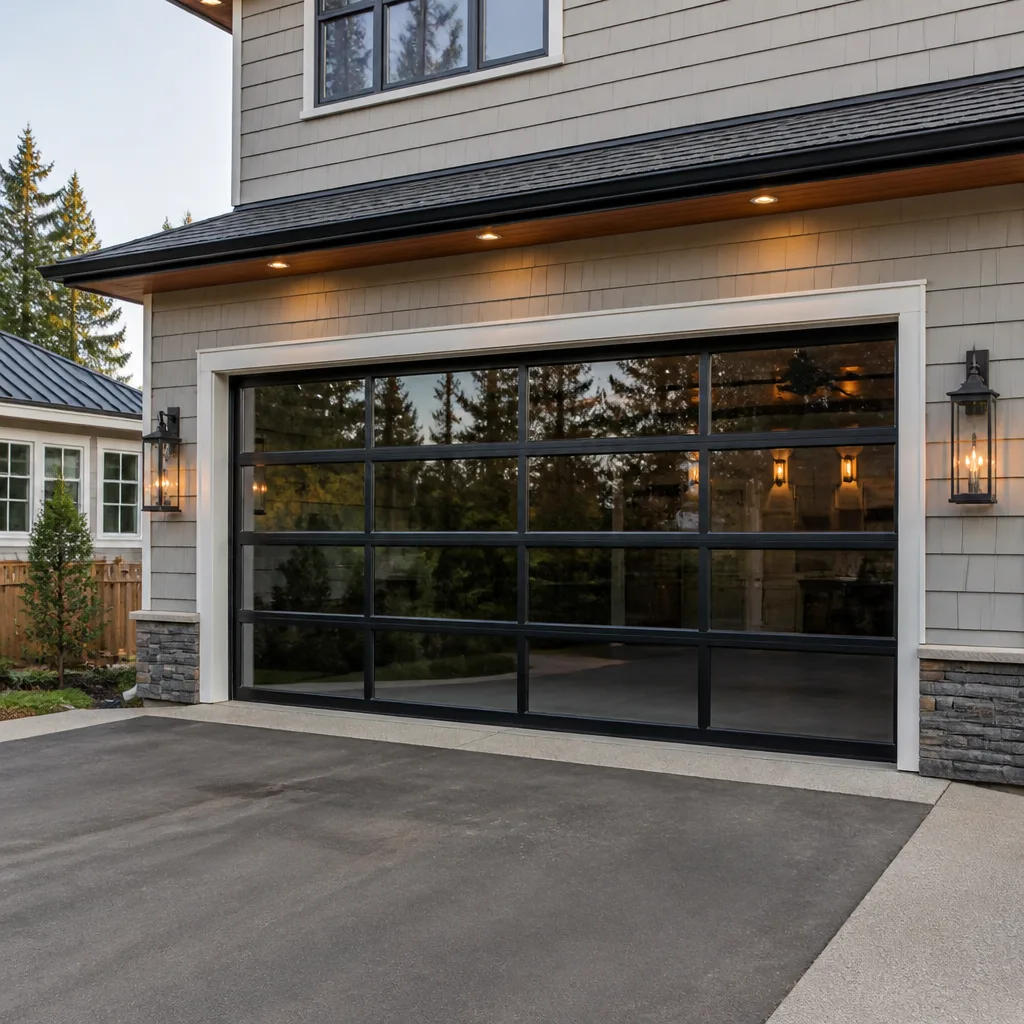 Full-view glass
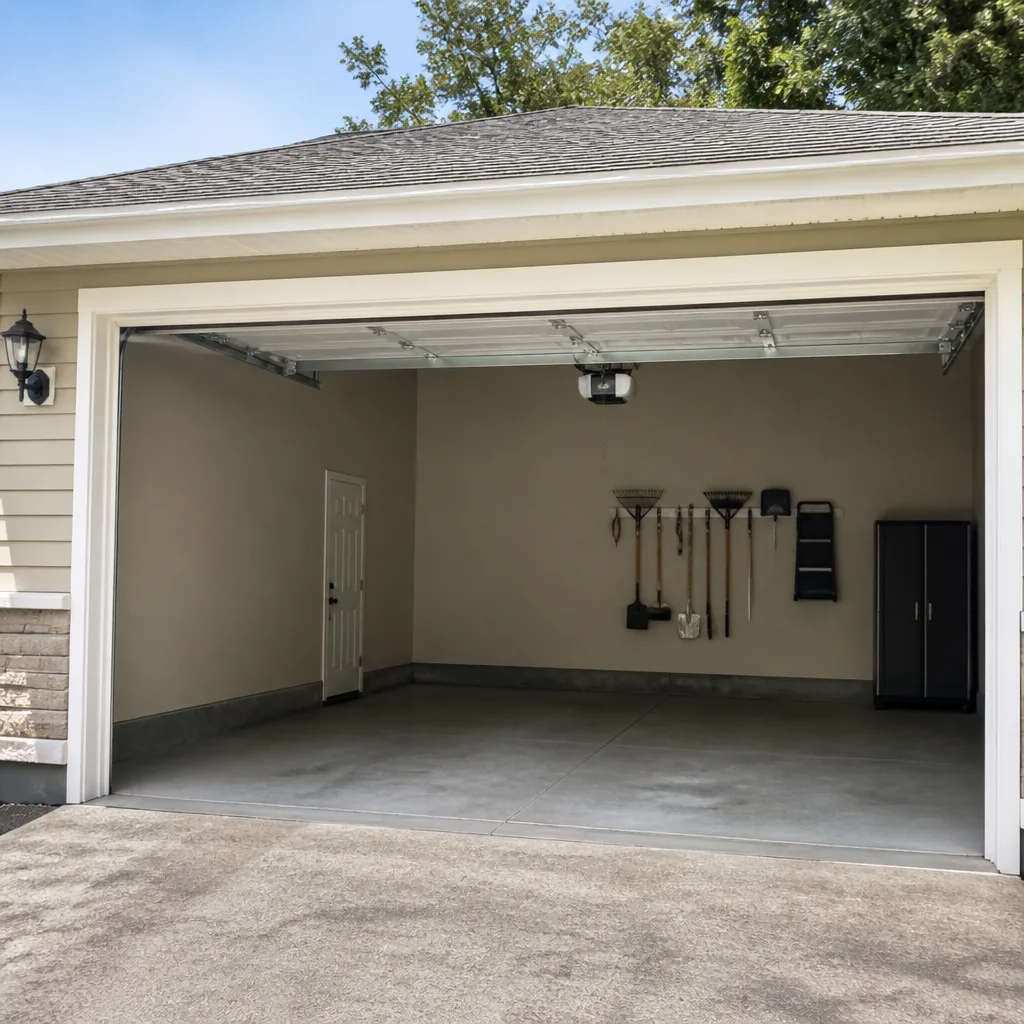 LiftMaster openers
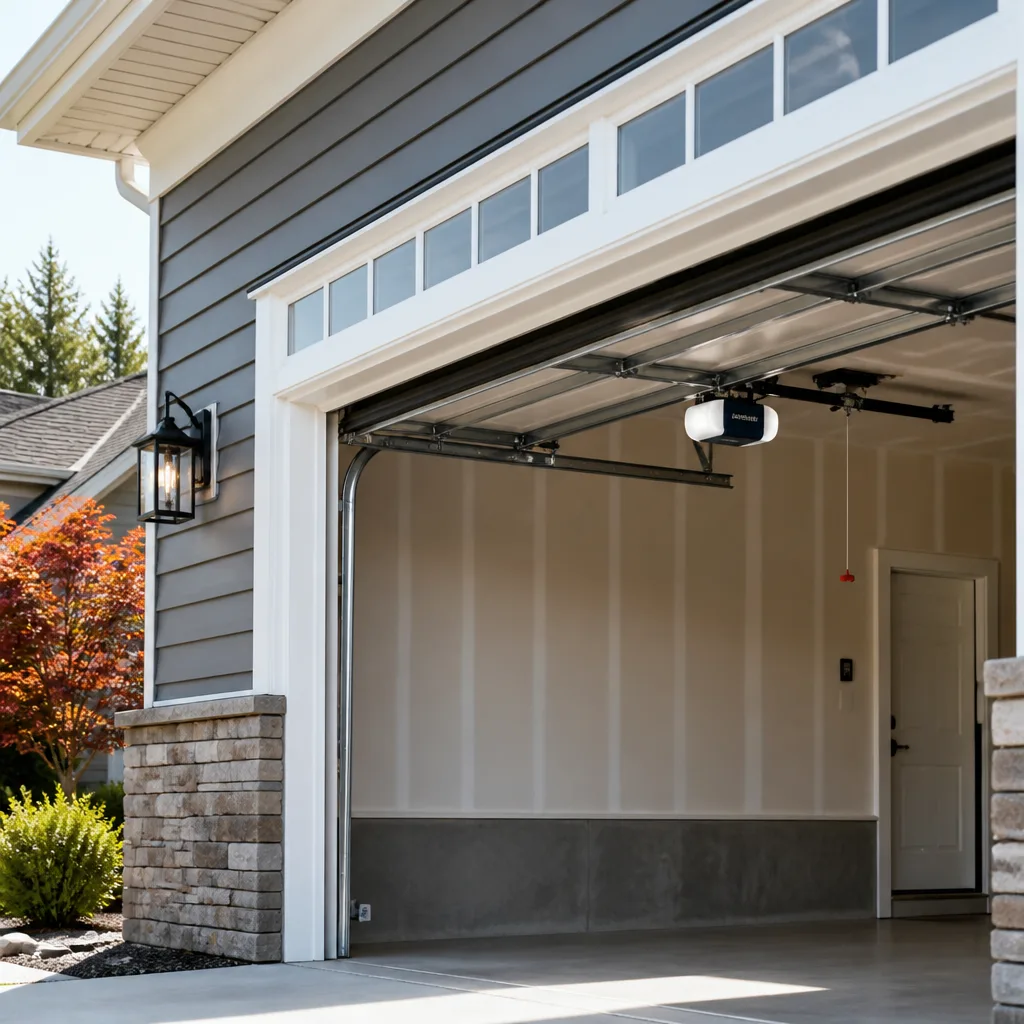 Chamberlain openers
Full 25-point door and opener safety check with every visit - springs, cables, rollers, tracks, and your LiftMaster or Chamberlain opener included
You get a price before we start. It does not change when the pro arrives.
Get your free estimateGarage Door Repair Troubleshooting in Miramar: Common Problems and How to Fix Them
A garage door that reverses before it closes is not a sensor problem as often as homeowners assume. Plenty of the time it’s a spring tension issue quietly fooling the opener’s force settings into reading a phantom obstruction. The same pattern repeats across almost every complaint we hear in Miramar: the symptom points one way, the actual failing part sits somewhere else in the system. That gap is where money gets wasted, on parts that didn’t need replacing and fixes that never touch the real cause. This guide maps each common complaint to the component that’s actually responsible, so you can tell what you’re dealing with before anyone touches the door. You’ll also learn which checks are safe to do yourself and which ones to leave alone.
Quick Answer
Most garage door problems in Miramar trace back to one of four subsystems: the springs and cables that carry the door’s weight, the opener’s drive train, the safety sensors at the floor, or the rollers and tracks the door rides on. The trick is matching the exact symptom – reversal, grinding, sagging, uneven gaps – to the right subsystem before you spend anything. Start with a visual check of the sensors and tracks, then call a technician for anything involving springs, cables, or opener internals.
Styles & brands we work with
- Raised-panel steel
- Carriage house
- Modern flush
- Full-view glass
- LiftMaster openers
- Chamberlain openers
Table of Contents
- The Symptom-to-Subsystem Diagnostic Map
- Why Miramar Humidity Accelerates Garage Door Wear
- Three Checks You Can Do Safely (and Two You Shouldn’t)
- Opener Fault: Logic Board or Mechanical Drive Train?
- Safe Temporary Workarounds Until Help Arrives
- What Garage Door Repairs Typically Cost in Miramar
- Brand Matters More Than You Think
- Keeping Your Door Healthy Between Repairs
The Symptom-to-Subsystem Diagnostic Map
The fastest way to stop guessing is to read the door’s behavior as a clue about which subsystem is failing. A garage door is really four systems working together: the counterbalance (springs and cables), the drive (opener and its rail or belt), the safety layer (sensors and the reversal mechanism), and the mechanical track (rollers, hinges, and panels). When one misbehaves, it throws off the others, and that’s why the obvious symptom so often misleads.
Here’s how the most common complaints map to root causes:
- Door reverses before closing: Usually safety sensors out of alignment, but often spring tension that has changed enough to trip the opener’s force limit. Less commonly, a logic board fault.
- Loud grinding or scraping: Worn steel rollers, dry hinges, or a track that’s out of alignment. Grinding that starts suddenly often points to a failing opener gear set.
- Door sags on one side: A broken or stretched spring on that side, or a cable that’s slipped off its drum.
- Uneven gap at the floor: Track bent out of plumb, a panel that’s shifted, or a floor that’s settled – common in older Miramar homes where slabs have moved over time.
- Door opens partway then stops: Opener force limits set too low, a binding track, or a failing drive gear.
- Opener runs but door doesn’t move: Broken spring, disconnected trolley, or a stripped gear inside the opener.
In our experience, the reversal complaint alone accounts for a large share of service calls where the sensor isn’t the culprit. A technician using a force-reading on the opener can usually tell within a few minutes whether the spring has lost tension or the sensors are genuinely at fault.
Why Miramar Humidity Accelerates Garage Door Wear
Miramar’s climate is hard on garage doors in ways that don’t show up in dryer parts of the country. Year-round warmth and high humidity create a slow corrosion cycle: steel rollers, hinges, and track bolts rust faster, and every moving joint that should glide on grease instead starts to bind. When a hinge binds, the opener has to work harder, and that extra load quietly wears the drive gear and the force settings at the same time.
The practical consequences you’ll notice:
- Rollers that should turn freely start to drag, making the door louder and slower.
- Springs, while protected, collect moisture and grime that shortens their working life.
- Wood-composite and steel panels absorb humidity, and painting schedules that last years up north need more attention here.
- Lubricant breaks down faster, so a door that gets greased once a year elsewhere may need it twice.
There’s a second, subtler factor in Miramar: because the outdoor air stays warm much of the year, homeowners use their garage doors more. The door runs more cycles, which means springs, rollers, and opener gears all wear on a faster timeline. A door that sees six cycles a day wears at a rate a seasonal-climate door never sees. That’s why we tell homeowners in Miramar to treat lubrication and roller inspection as a routine, not a repair.
If you’re hearing more creaking and groaning than you used to, it’s worth a proper look at the full system rather than a spot fix. Our garage door repair service starts with a full diagnostic so the fix targets the real problem.
Three Checks You Can Do Safely (and Two You Shouldn’t)
Before you call anyone, there are three things you can check yourself in about five minutes. None of them require tools beyond your eyes and ears, and each one either rules out a simple fix or confirms that a technician is needed. Do these first.
- Check the safety sensors. Look at the two small units mounted near the floor on each side of the door. Each should have a steady light. If one is blinking or dark, wipe the lens and check that nothing has bumped them out of alignment. A sensor knocked askew by a bike or a recycling bin is one of the most common causes of a door that won’t close.
- Look at the tracks. Stand back and check that both vertical and horizontal tracks run straight and parallel. A visible bend, a loose bracket, or a track that’s pulled away from the wall is the kind of thing a technician can adjust quickly – but don’t try to bend it back yourself.
- Listen while it runs. A door that grinds, squeals, or pops is telling you something. Note whether the noise comes from the opener (up high, near the motor), the track, or the panels. That one detail saves time on the diagnostic.
Now the two you should never attempt:
- Adjusting spring tension. Torsion and extension springs store enormous energy. A spring under tension can cause serious injury if it releases unexpectedly, and the adjustment itself requires specific tools and knowledge. This is a job for a trained technician, without exception.
- Working on the cables. Cables are under tension and can snap with force. They’re also the part most likely to cause injury when a door is in a compromised state. Leave them alone.
The same rule applies to anything behind the opener’s cover, where live wiring and moving gears sit. If a check requires a tool, it’s usually a job for someone trained to do it safely.
Opener Fault: Logic Board or Mechanical Drive Train?
This is where a lot of money gets spent on the wrong part. When an opener misbehaves, the instinct is to assume the electronics are failing, because that’s the part that seems complicated. In reality, a large share of opener faults are mechanical: a stripped gear, a worn belt, a trolley that’s jumped its track, or a drive chain that’s slipped. Replacing an expensive logic board when the actual problem is a small gear set is one of the most common wastes we see.
How to tell the difference, in general terms:
- Electrical or logic-board symptoms: The opener behaves inconsistently with no pattern – sometimes opens, sometimes doesn’t, or the wall button and remotes work differently. Lights on the unit may flash in a sequence that doesn’t match normal operation. These point to control faults.
- Mechanical drive-train symptoms: The motor runs but the door doesn’t move, the door moves slowly or erratically, or there’s a grinding noise right at the opener head. These point to a worn gear, belt, or chain – parts that are serviceable.
- Mixed symptoms: The opener forces the door down and then reverses it, or stops partway. This is often a force-limit setting that needs adjustment, or a binding door overloading a healthy opener.
For owners of LiftMaster or Chamberlain units, the diagnostic is often quicker because those systems report fault codes through their indicator lights, and a technician familiar with the brand can read them directly. Genie and Craftsman units have their own patterns. Our garage door opener repair work covers both legacy and smart, Wi-Fi-enabled drive systems, so the diagnosis fits the actual unit rather than a generic guess.
The reason the distinction matters is cost. A logic board is a significant replacement. A gear set, belt, or trolley is a much smaller repair. Before agreeing to a board swap, ask the technician to confirm the drive train is sound.
Safe Temporary Workarounds Until Help Arrives
When your door fails and a car is trapped or the house is open to the street, a temporary workaround can get you through until a technician arrives. Some are safe. Others create real risk. Knowing which is which matters.
Safe to use:
- Manual release on a door with intact springs and cables. The red pull cord on the opener trolley disconnects the door from the drive, letting you lift it by hand. This is safe when the springs are doing their job and the door feels manageable in weight. If the door is heavy and hard to lift, stop and leave it.
- Closing the door manually to secure the house. If the door can be lowered all the way by hand and stays down, do that for security overnight. Don’t force it if it won’t seat.
- Disconnecting power to the opener if it’s running erratically or cycling on its own. This prevents a door from moving unexpectedly.
Not safe to rely on:
- Operating a door with a visibly broken spring. With one spring broken on a two-spring door, the remaining spring is overloaded and the door is dangerously heavy. The opener can sometimes force it, but that’s an entrapment and injury risk, and it can burn out the opener motor in the process.
- Propping or blocking a door that’s halfway down. A door that comes down unexpectedly on a person or a vehicle is a real hazard. If a door won’t close properly, leave it fully open and swing the manual release rather than chocking it.
- Using the manual release on a door that’s stuck at an angle. If the door is crooked, one cable has likely failed. Do not pull the release; call for help.
A door that won’t move isn’t a tomorrow problem. If you’re in Miramar and stuck, call Denali Garage Door Repair and describe exactly what the door is doing, and we’ll help you decide what’s safe in the moment.
What Garage Door Repairs Typically Cost in Miramar
Prices vary by what’s actually wrong, but homeowners want a realistic picture before they book. Here are the typical estimated ranges for the most common repairs in the Miramar market. Every job is quoted in writing before work begins, so the number you agree to is the number you’ll pay.
- Single torsion spring replacement: typically $180 to $340. A matched pair is usually replaced together, so a pair costs roughly twice that.
- Safety sensor replacement or realignment: typically $120 to $220.
- Roller replacement (whole door, typically 10-12 rollers): typically $150 to $280.
- Cable replacement (per side): typically $150 to $260.
- Opener gear and sprocket replacement: typically $120 to $240, depending on the unit.
- Logic board replacement: typically $180 to $340, depending on the model.
- Track realignment or hinge replacement: typically $100 to $250 depending on scope.
A few things to keep in mind about these ranges. First, they’re estimates for typical jobs; the written quote sets the final price after we see the door. Second, they don’t cover opener replacement, new door installation, or structural panel work, which are separate projects measured and scheduled in advance. Third, in Miramar specifically, the humidity-driven wear means more jobs involve both a spring and the rollers or hinges that have seized alongside it, which can push a single repair toward the higher end of a range.
We don’t charge for the estimate. If you’ve been quoted a number over the phone without anyone seeing the door, treat it as a ballpark at best. The written quote after the inspection is what’s real. Call (866) 552-3599 for a free estimate on your Miramar door.
Brand Matters More Than You Think
Garage doors and openers are not interchangeable. A technician who works across one manufacturer’s line can miss the telltale signs of another’s failure modes. Since Miramar homes run the full range of brands, the question worth asking before you book is simple: does the technician know your specific system?
The systems we work with most in Miramar neighborhoods like Miramar Ranch, Sunset Lakes, and Riviera Isles include:
- Clopay and Amarr door panels – both common in newer construction, with distinct hinge and panel profiles.
- LiftMaster and Chamberlain openers – the most widely installed in the area, with reliable fault-code reporting.
- Genie and Craftsman units – often found in homes built in the 1990s and 2000s, with their own gear and belt layouts.
The reason this matters practically is diagnosis speed. A technician who’s familiar with LiftMaster’s indicator codes, or with the specific gear set inside a Genie, will spot the real fault faster than someone reading the manual for the first time. That saves both time and money on unnecessary parts. It’s also why we name the brands up front rather than claiming a universal fit. Your brand, our expertise.
If you’re not sure what brand you have, look on the opener housing – the manufacturer’s name is almost always printed there. On the door itself, the brand is usually stamped on the bottom or side of a panel, sometimes behind a hinge.
Keeping Your Door Healthy Between Repairs
Most garage door failures are not sudden. They’re the result of wear that accumulates over months. The homeowner who catches the creak early spends far less than the one who calls after the spring snaps. Here’s the routine that makes the most difference in Miramar’s climate:
- Lubricate the moving parts twice a year. Hinges, rollers, and the spring coils should be lubricated with a proper garage door lubricant – not WD-40, which is a solvent and strips existing grease. In Miramar, twice a year is the minimum because of humidity.
- Inspect the rollers visually. Steel rollers rust and start to bind; nylon rollers can crack. If you see flat spots, cracks, or visible rust, replacement is usually cheap and worth doing before they damage the track.
- Test the safety reversal monthly. Place a small object – a roll of paper towels works – in the door’s path and close it. The door should reverse on contact. If it doesn’t, that’s a safety failure that needs prompt attention.
- Watch for the early warning signs of spring wear. A door that suddenly feels heavier, or that opens more slowly than it used to, is a sign the spring is losing tension. Don’t wait for it to break.
- Keep the tracks clean and clear. Dirt and leaves in the tracks cause the door to drag. A wipe-down with a damp cloth a few times a year is enough – never lubricate the tracks themselves.
- Check the balance test. Disconnect the opener (release the trolley) and lift the door halfway by hand. A balanced door stays in that position. If it drops or won’t hold, the spring is out of adjustment and needs a technician.
If any of these checks turn up something, that’s the moment to call – not after the door stops moving. We’d rather diagnose a small issue than repair a bigger one.
Common Mistakes to Avoid
- Replacing sensors when the spring is the actual problem. A door that reverses is often a force issue from spring tension, not a sensor fault. Swapping sensors without checking the springs wastes money and leaves the real cause in place.
- Using WD-40 as a lubricant. It’s a solvent that strips the existing grease and leaves the hinges dry, which accelerates wear in Miramar’s humidity. Use a proper garage door lubricant.
- Replacing a single spring when both are worn. Matched springs wear at the same rate. Replacing one leaves the other on borrowed time, and the second one typically fails soon after. A pair is the honest replacement.
- Fixing a bent track with a hammer. Tracks are precision-formed. Hammering one back into place usually makes it worse. Tracks are replaced or properly realigned by a technician.
- Ignoring a change in door speed or weight. A door that’s suddenly heavier or slower is telling you the spring is losing tension. Waiting for the break costs more than fixing it early.
- Calling a general handyman for a spring or cable job. These are high-tension parts that require specific tools and training. A general repair service shouldn’t touch them.
- Operating a door with a known broken spring. As covered above, this is a real safety risk. If a spring snaps, stop using the door and get a technician out.
See the difference
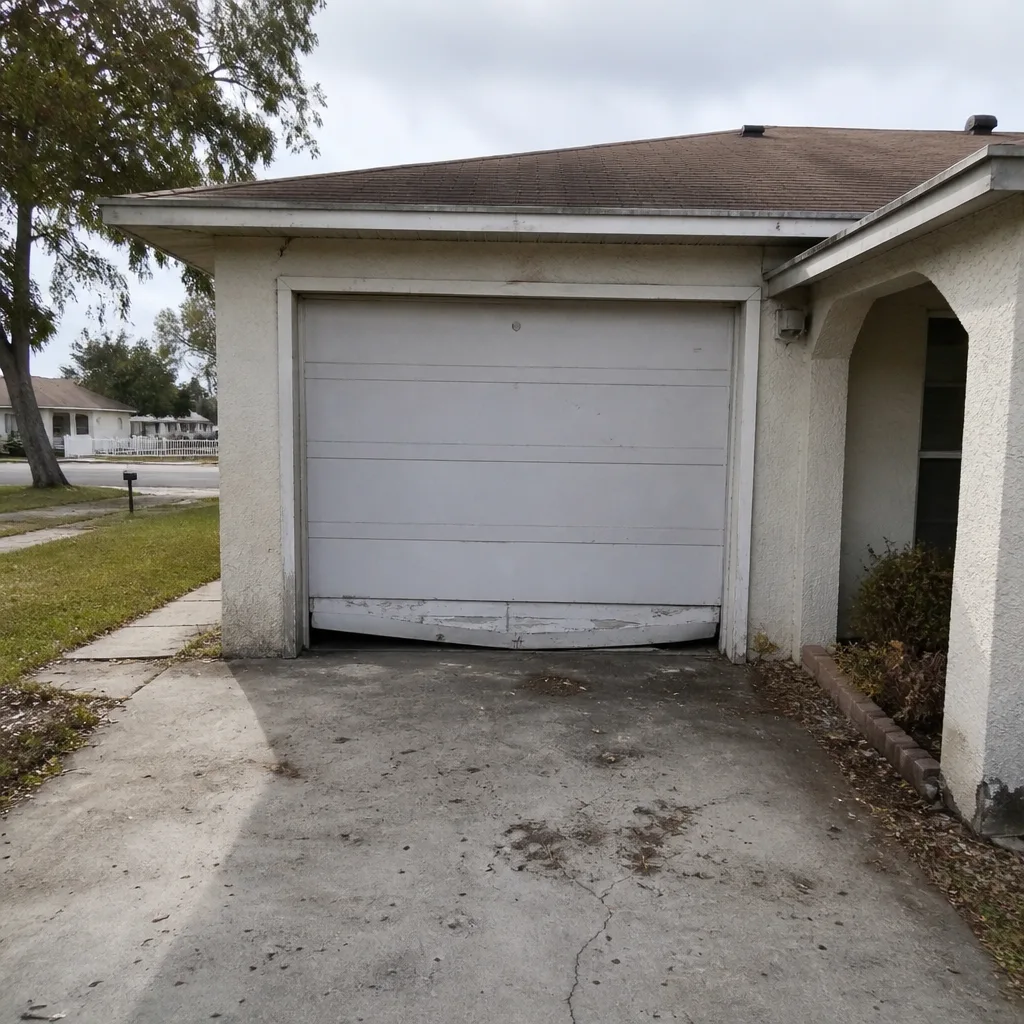 Before
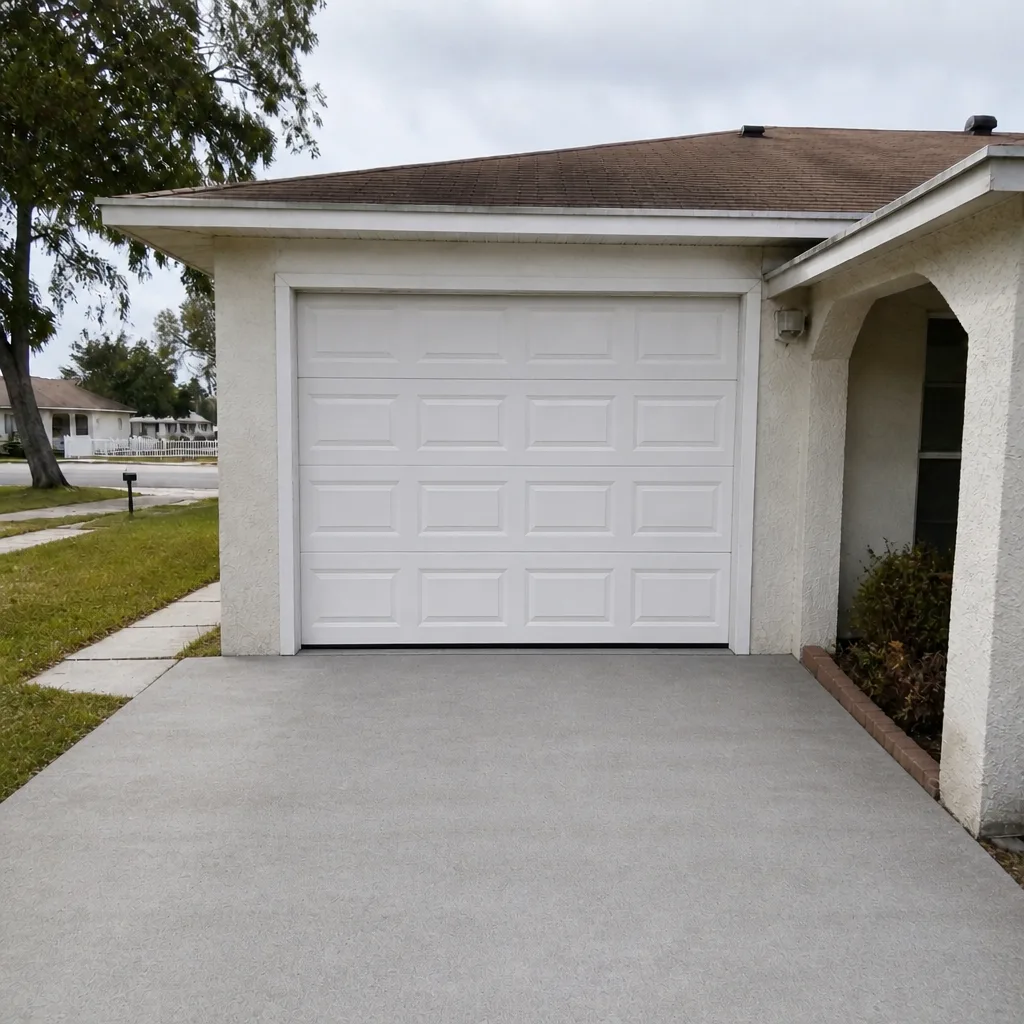 After
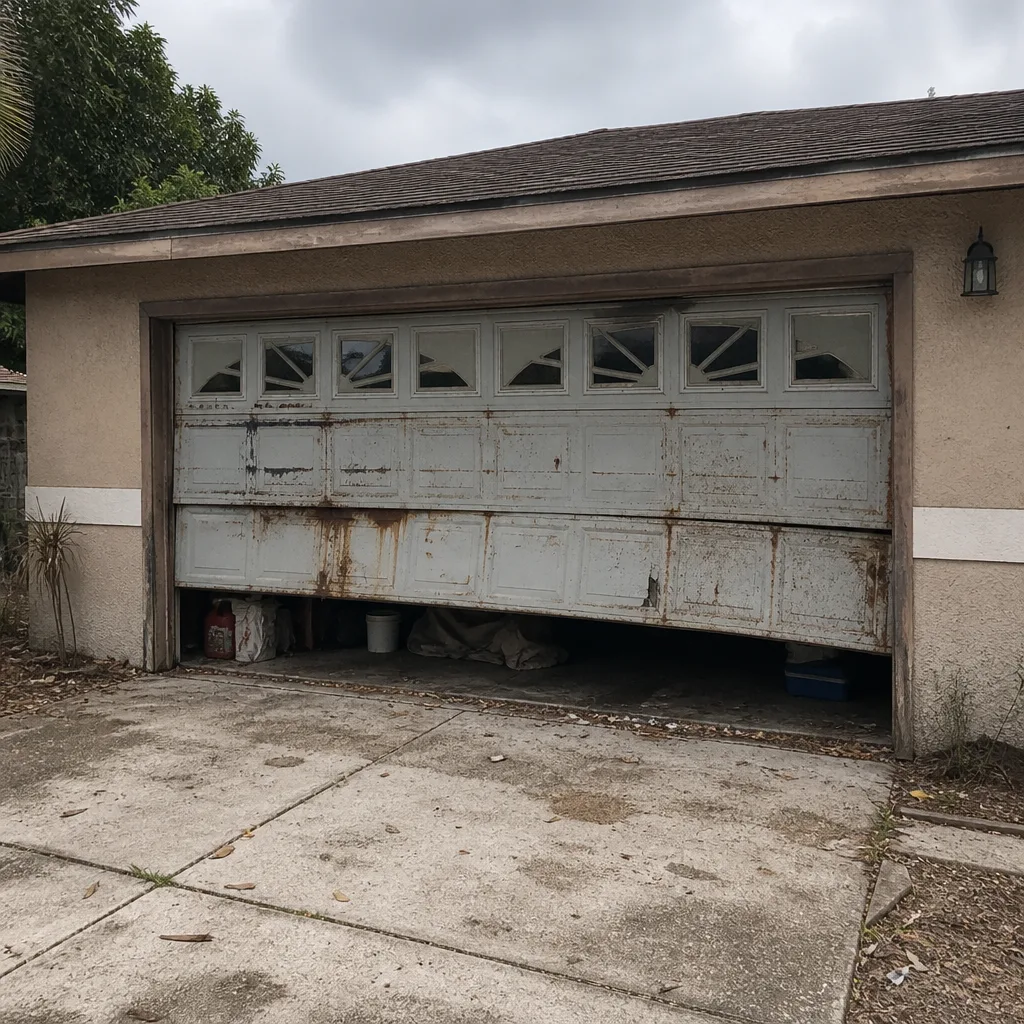 Before
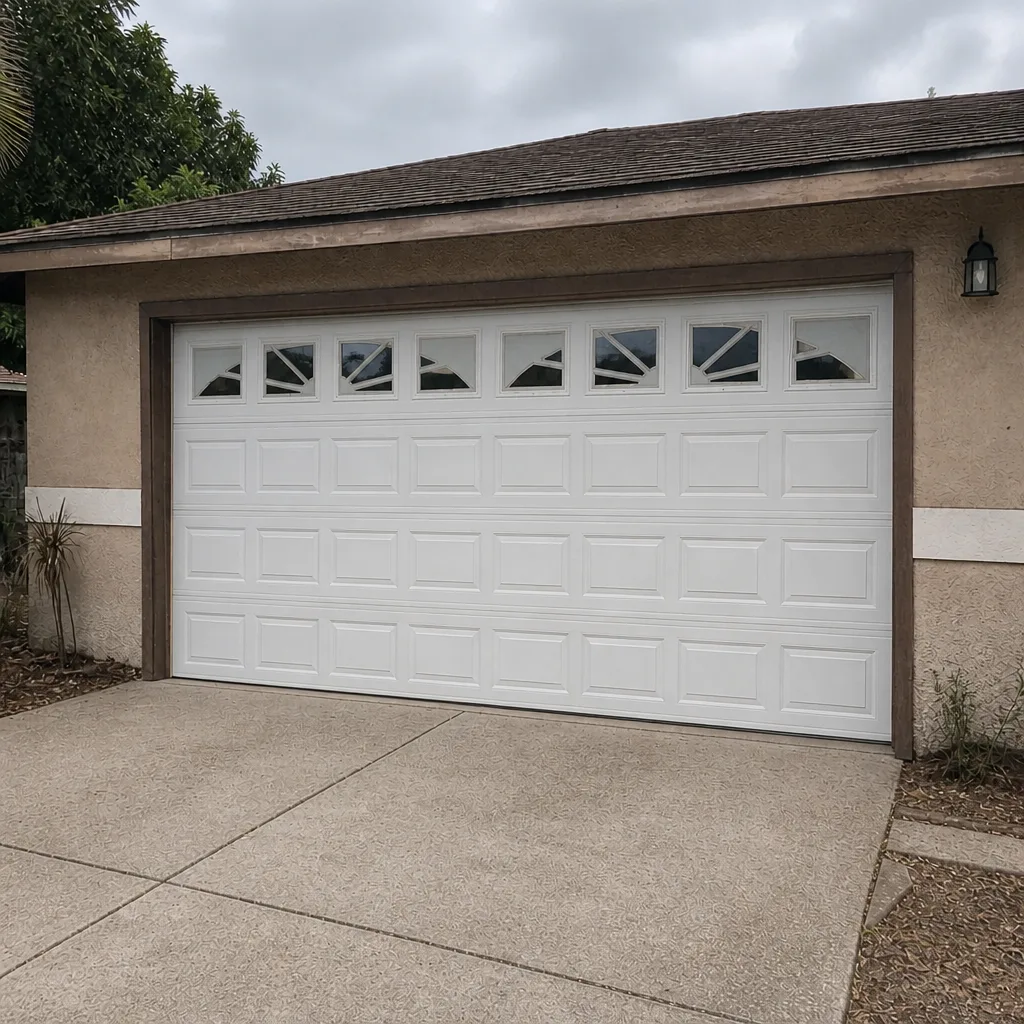 After
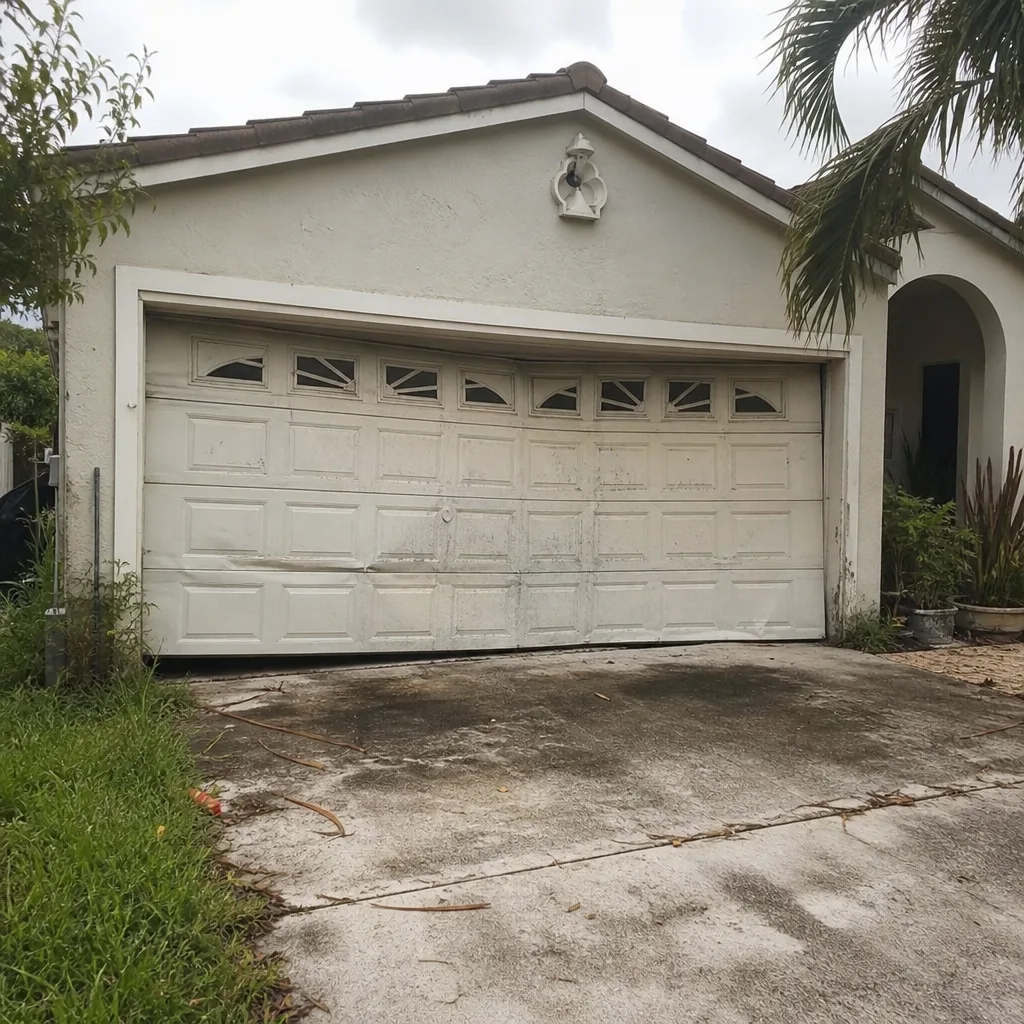 Before
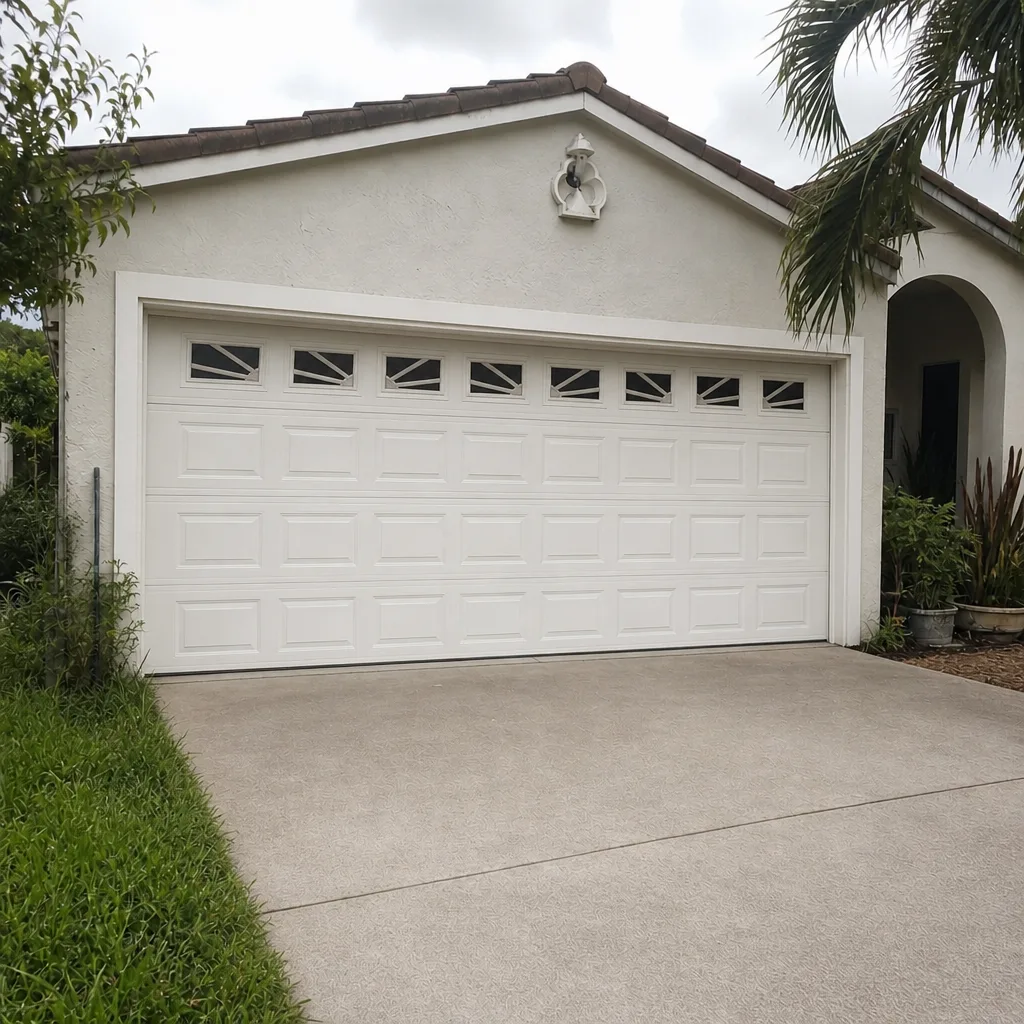 After
When to Call a Professional
Call a technician anytime anything involves the springs, cables, or the inside of the opener, and any time the door feels heavier than usual. Call immediately if you see a visibly broken spring, if one side of the door has sagged, if a cable is slack or off its drum, or if the door comes down unevenly. These are genuine safety concerns, and they’re not worth the risk of a DIY attempt. Also call if the door reverses inconsistently, if the opener runs but the door doesn’t move, or if you’re hearing grinding that’s new. Denali Garage Door Repair offers free estimates in Miramar – call (866) 552-3599. We answer 24/7, and fast dispatch runs 7am-7pm, Sunday through Friday. Our technicians have up to 15 years of experience working with the brands and systems most common in Miramar neighborhoods.
Frequently Asked Questions
The most common cause is a misaligned or dirty safety sensor, but a significant share of cases are actually spring tension problems that trip the opener’s force settings into thinking there’s an obstruction. Wipe the sensor lenses and check that both lights are steady. If they are, the fault is likely in the springs or the opener’s force limits, and a technician should look at it. Call (866) 552-3599 for an exact quote – estimates are free.
Typical estimated ranges in the Miramar market are $180 to $340 for a single torsion spring, and roughly double that for a matched pair. A pair is almost always replaced together, so expect the pair price rather than a single-spring price. The written quote after the door is inspected sets the final price. Call (866) 552-3599 for a free estimate.
For repair topics, yes – we can often get a technician out the same day for repair work in Miramar. A door that won’t move is not a tomorrow problem. Dispatch runs from 7am to 7pm, Sunday through Friday, and we’re closed on Saturday. Call (866) 552-3599 and we’ll book you into the next opening.
No. The written quote is the price. We quote and agree on the work before any starts, so the number you agree to is what you pay. If we find something additional during the inspection, we don’t proceed until you’ve approved the revised quote. Call (866) 552-3599 for an exact quote – estimates are free.
It’s not ideal, since the house is open, but forcing the door down when it’s compromised can cause injury or damage. If the door can be lowered by hand and seats fully, do that. If it’s crooked or hard to move, leave it fully open and leave the door alone overnight. Call (866) 552-3599 and we’ll help you decide the safe path for your specific door.
We work on LiftMaster, Chamberlain, Genie, Clopay, Amarr, Wayne Dalton, Craftsman, and Raynor – the brands covering the vast majority of doors and openers in Miramar neighborhoods. If you’re not sure what you have, the manufacturer’s name is usually stamped near the opener head or the bottom panel of the door. Call (866) 552-3599 and we’ll confirm your system. And a full-service look at your Miramar home’s door is a phone call away.
The Bottom Line
The pattern in this guide is consistent: the obvious symptom almost never points to the right part. A reversing door is often a spring issue, not a sensor. A grinding opener is often a gear set, not a logic board. In Miramar, the humidity accelerates wear on rollers, hinges, and springs, which means the door you had two years ago is not quite the door you have now. The reliable move is to check the sensors and tracks yourself, note the noise and behavior, and call a specialist for anything involving springs, cables, or opener internals. The written quote comes before the work, the price is set by that quote, and the technician should know your brand before they arrive.
Written by the team at Denali Garage Door Repair.