
Last updated November 15, 2026
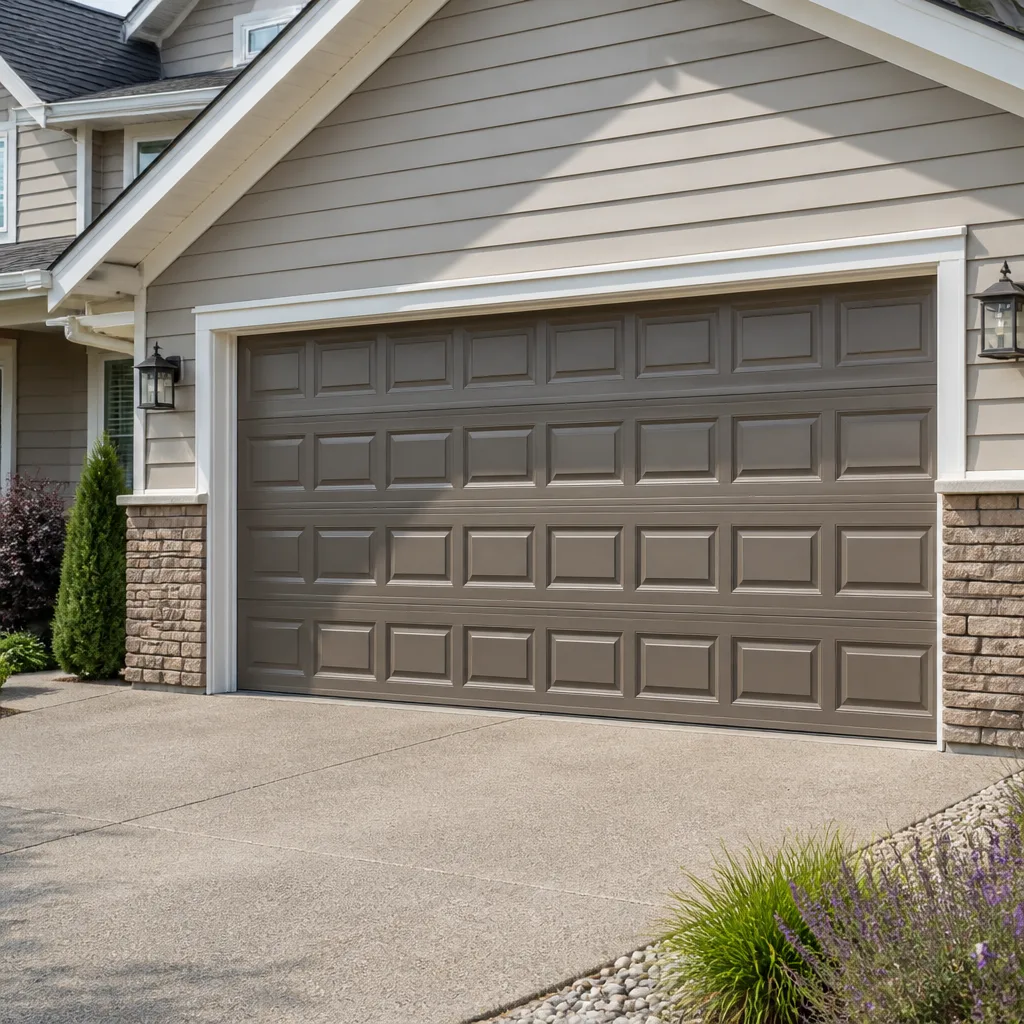 Raised-panel steel
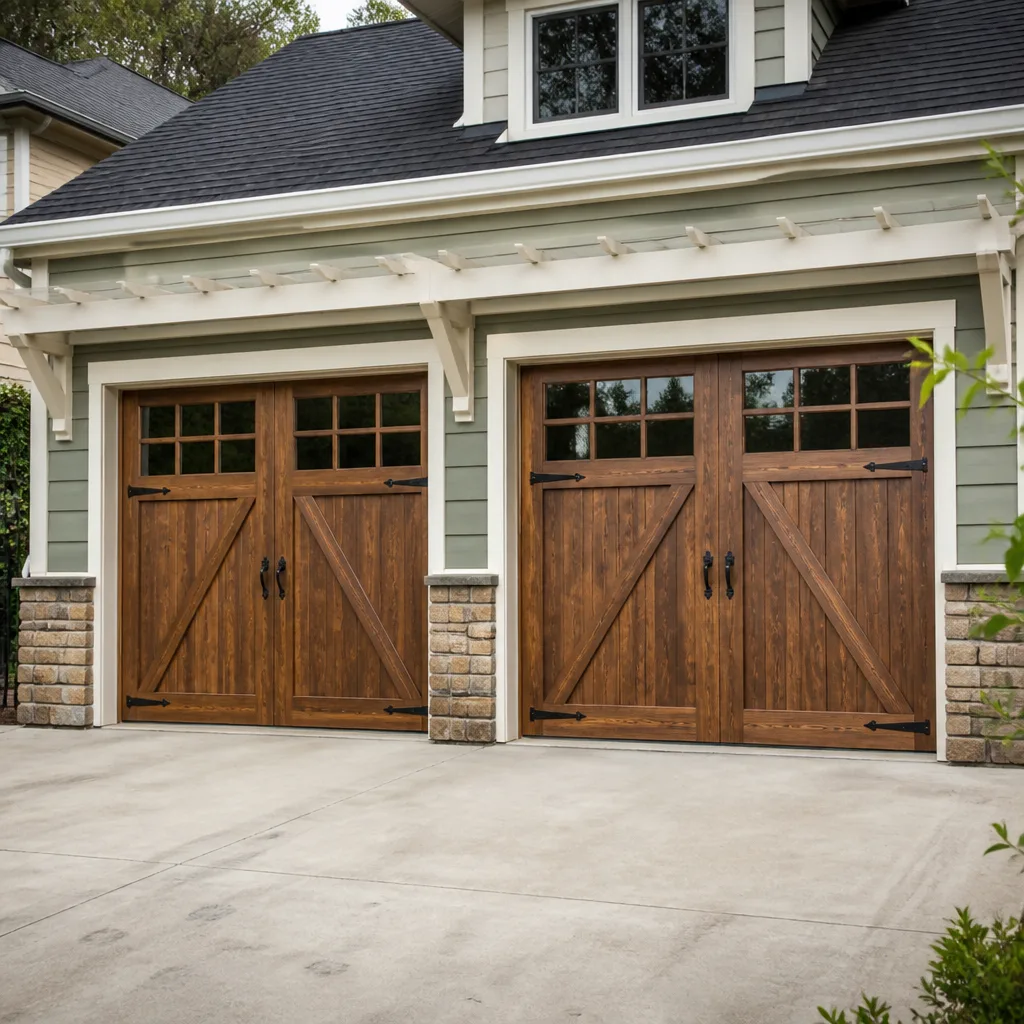 Carriage house
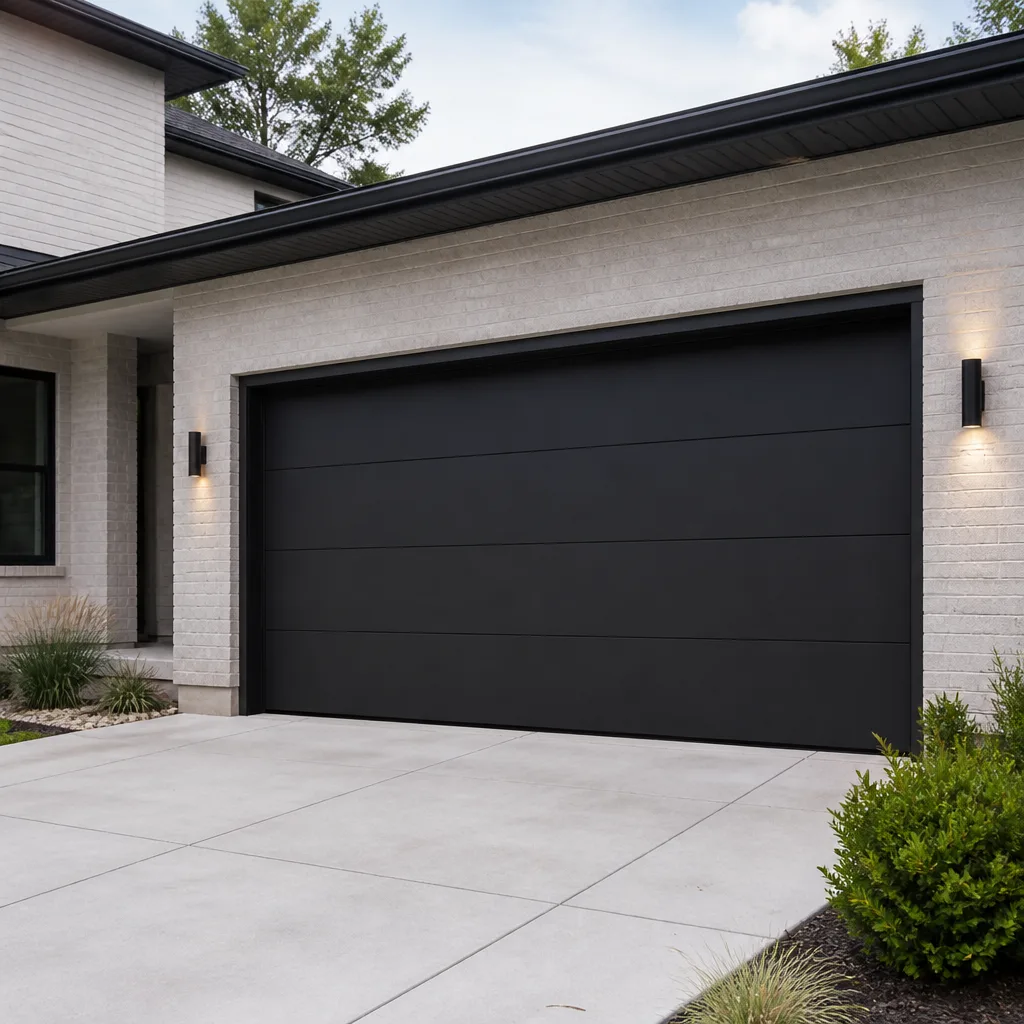 Modern flush
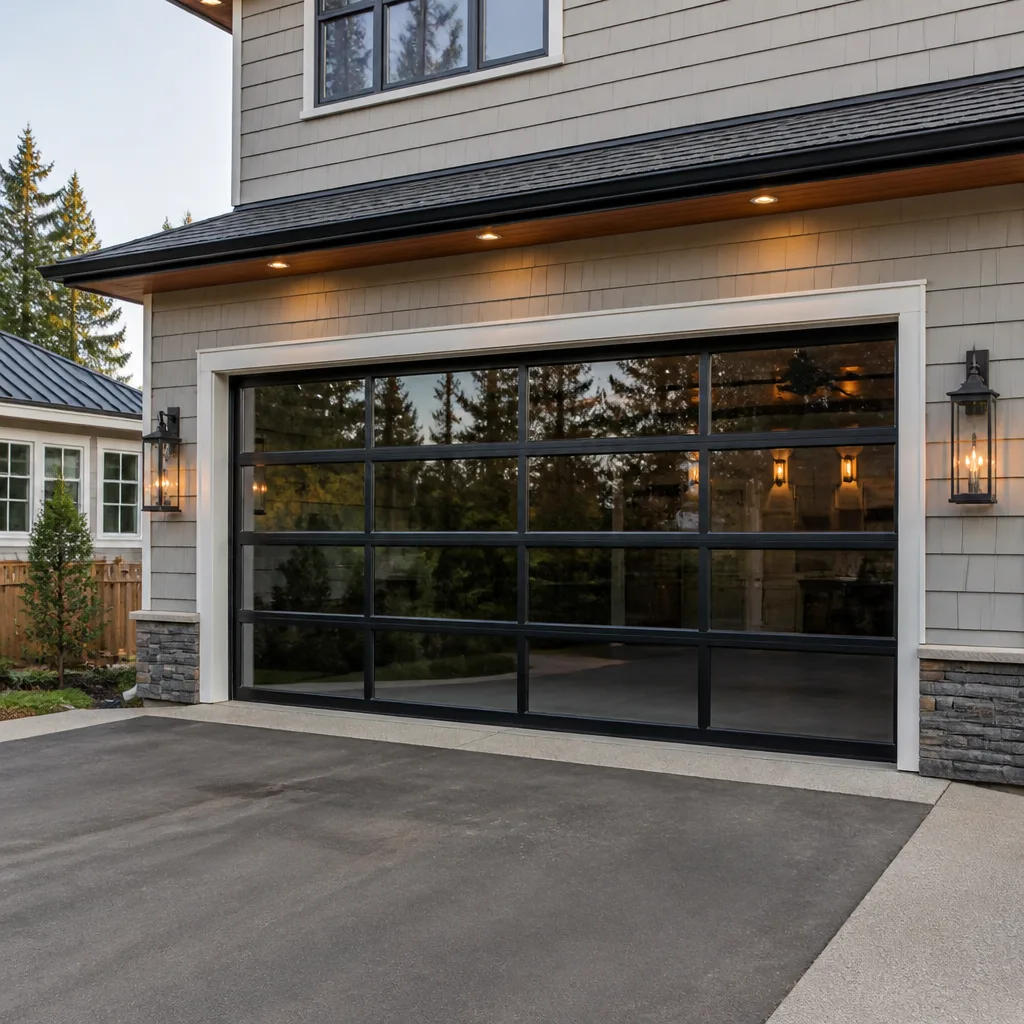 Full-view glass
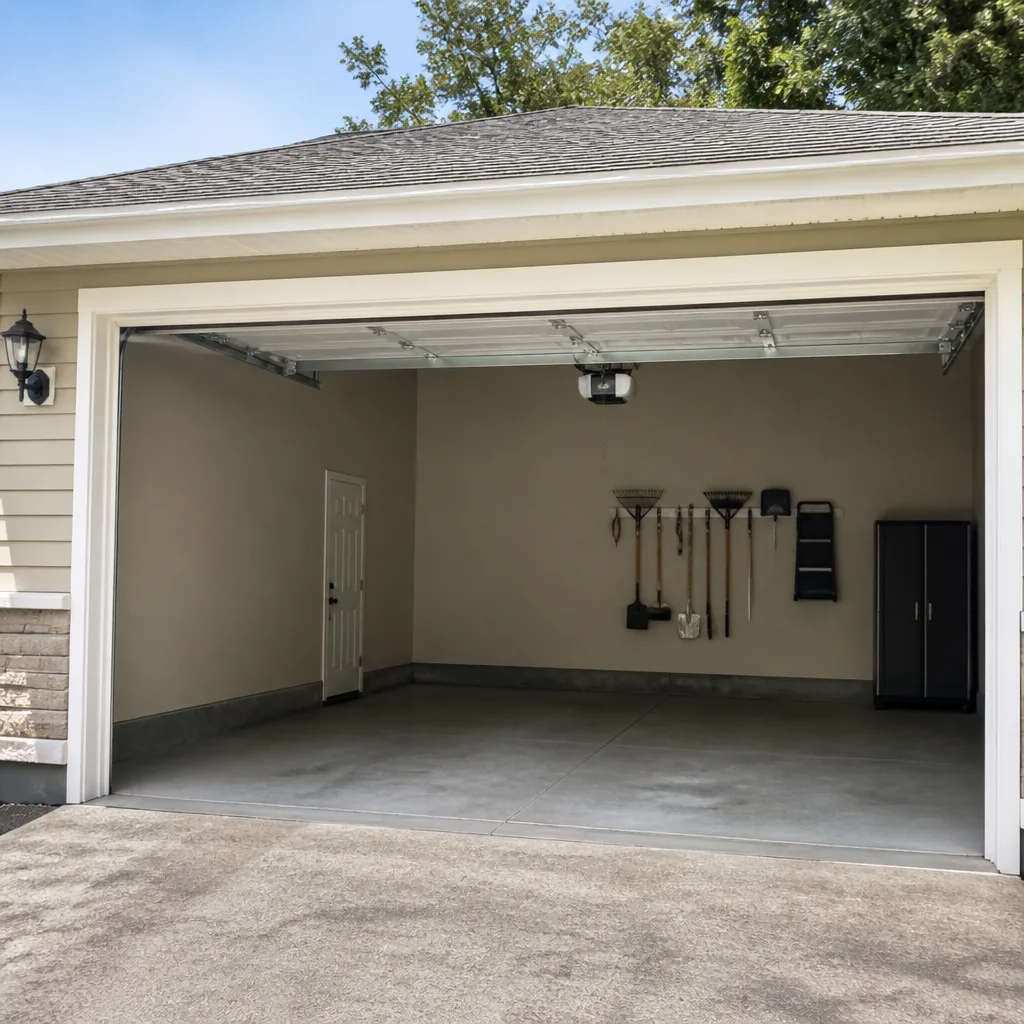 LiftMaster openers
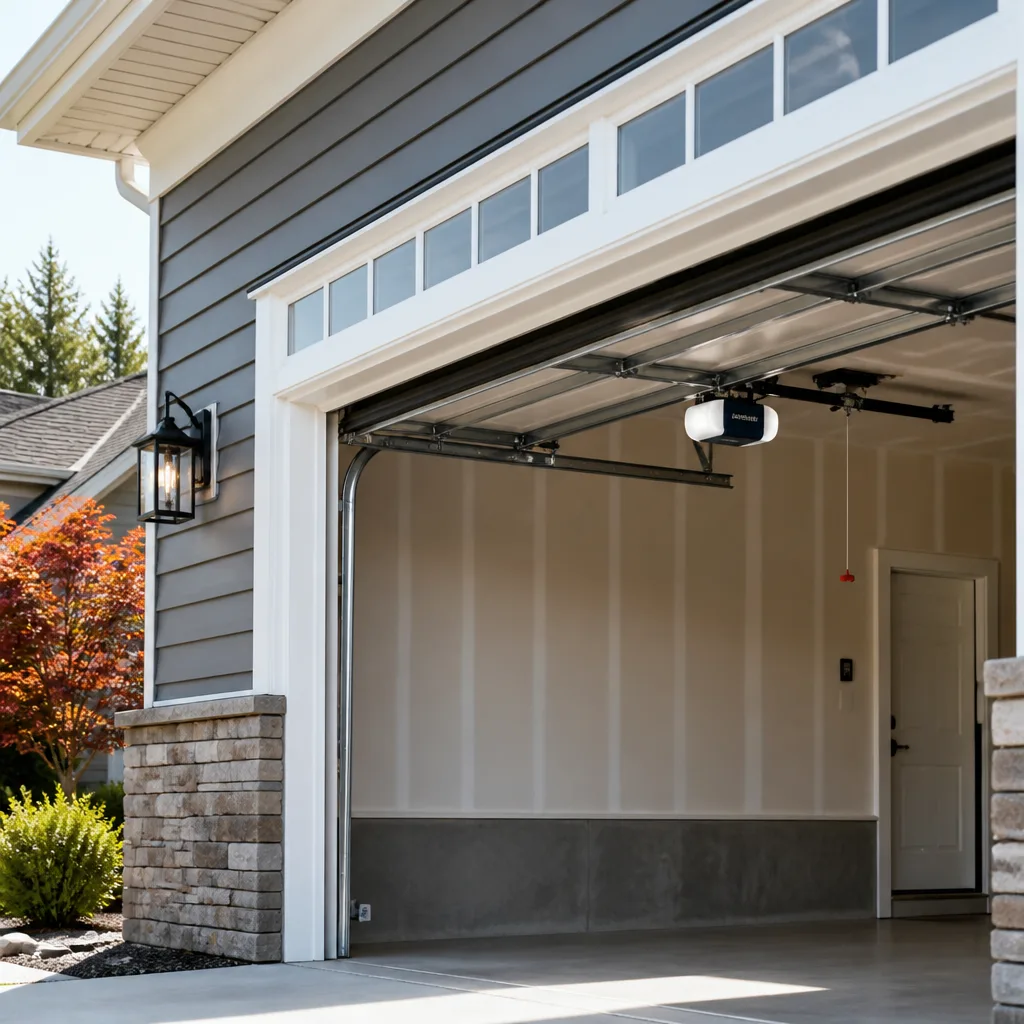 Chamberlain openers
Full 25-point door and opener safety check with every visit - springs, cables, rollers, tracks, and your LiftMaster or Chamberlain opener included
You get a price before we start. It does not change when the pro arrives.
Get your free estimateGarage Door Repair Maintenance Schedule: What to Do and When
Most maintenance guides hand you a calendar and tell you to lubricate your springs every six months. That advice was written for climates with real winters, and it doesn’t fit Miramar. In our humidity, oxidation starts working on those coils well before the six-month mark, which is why we tell homeowners here to lubricate closer to every three months. But the calendar is only half the problem. A garage door is a 400-pound mechanical system under constant tension, and how hard yours works matters more than what month it is. This guide gives you a maintenance schedule built on usage, hardware type, and Miramar’s climate, so you can stop guessing and start planning.
Quick Answer
In Miramar, most residential garage doors need a homeowner check every three months, lubrication every three months in the humid months, and a professional inspection once a year. High-use doors, the ones cycled eight or more times a day, should move to a quarterly professional check instead. Standard torsion springs are rated for about 10,000 cycles, so a busy household can wear one out faster than the calendar suggests.
Styles & brands we work with
- Raised-panel steel
- Carriage house
- Modern flush
- Full-view glass
- LiftMaster openers
- Chamberlain openers
Table of Contents
- Why a Calendar Alone Won’t Protect Your Door
- Usage-Based vs. Calendar-Based Scheduling
- Miramar Climate Tasks: What Humid Air Does to Hardware
- Spring Life Expectancy Math: Where Are You in the Cycle Count?
- Opener Maintenance by Drive Type
- The Annual Technician Inspection Checklist
- A Season-by-Season Schedule for Miramar Homes
- Common Mistakes to Avoid
Why a Calendar Alone Won’t Protect Your Door
A garage door doesn’t wear out on a schedule. It wears out on a cycle count. Every time the door opens and closes, the springs flex, the rollers turn, the hinges pivot, and the cables bend around their drums. Those actions add up, and they add up at very different rates from one household to the next. A retired couple who opens the door twice a day puts roughly 730 cycles a year on their system. A family with two drivers, a home office, and kids coming and going can hit 3,000 or more without thinking about it.
That gap matters because nearly every wear component on a door is rated in cycles, not months:
- Torsion springs are typically rated for about 10,000 cycles, though the rating varies by manufacturer.
- Extension springs usually carry a lower cycle rating than a comparable torsion spring.
- Nylon rollers last longer than steel ones, and steel rollers with sealed bearings outlast the unsealed kind.
- Cables wear where they wind around drums and where they run through pulleys.
A door in a quiet Miramar neighborhood that sees four cycles a day can go many years on a set of springs. The same door hardware in a busy household with a home-based business might need attention in a fraction of that time. A schedule that ignores this is really just a schedule for someone else’s door.
There’s a second reason the calendar fails. A door can sit for weeks and still corrode. Humidity doesn’t need the door to move to do damage. So the schedule has to account for two separate clocks running at once: mechanical cycles and environmental exposure. Here in Miramar, the second clock runs fast.
Usage-Based vs. Calendar-Based Scheduling
The first step toward a maintenance schedule that actually fits your home is figuring out how hard your door works. Count your daily cycles. A cycle is one full open plus one full close. Be honest, and include the trips you take for granted – taking out the trash, moving a car to get to another one, letting the dog into the yard, accepting a delivery.
How to count your daily cycles
- Track a normal weekday. Count every open-close pair for one day, including quick trips.
- Add the weekends. Use the same process on one Saturday and one Sunday, since patterns often differ.
- Average the three days. That’s your baseline daily cycle count.
- Multiply by 365. That’s your annual cycle load, and the number you’ll use in the spring math below.
- Adjust for changes. A new home office, a teenager learning to drive, or a second car can double that number quickly.
With your number in hand, match it to a maintenance cadence:
- Under 4 cycles per day: Homeowner check every six months, lubrication every three months in the humid months, professional inspection once a year.
- 4 to 7 cycles per day: Homeowner check every three months, lubrication every three months, professional inspection once a year. Expect spring replacement on a shorter timeline than the standard rating suggests.
- 8 or more cycles per day: Homeowner check monthly, lubrication every three months, professional inspection every three to six months. This is the range where pre-emptive replacement of springs and rollers starts making sense.
In our experience, the households that get surprised by a broken spring are almost always in that third tier. When a door is cycled eight, ten, twelve times a day and nobody has looked at it since the last homeowner did a visual check, the first symptom people notice is a door that won’t open at all. If you suspect your door has already crossed into repair territory, our garage door repair service is how we get it back to working order.
Miramar Climate Tasks: What Humid Air Does to Hardware
South Florida’s humidity is the single biggest difference between a maintenance schedule for Miramar and one you’d read in a national article. The air here carries moisture year-round, and that moisture finds its way into the small moving parts of a garage door long before it reaches the visible panels.
What you’re looking for is oxidation, and it shows up in stages:
- Early stage: a dull, chalky look on steel rollers or hinge plates, and a slight roughness when you run a finger along the surface.
- Middle stage: pitting, meaning small dark dots or shallow pits in the metal. Pitting holds moisture and accelerates wear.
- Late stage: rust bleeding at the seams, a grinding or crunching sound from the rollers, and bearings that no longer turn freely.
Once a roller stops rolling, it starts sliding. A sliding steel roller wears a flat spot into itself and drags on the track, which forces the opener to work harder and can stress the door’s hinges. A bearing that seizes actually pushes back against the opener, and over time that shows up as a strained motor or a door that stops halfway.
Monthly inspection checklist for humid months
- Rollers: Look at each roller for pitting, rust, or a flat spot. Spin it by hand and feel for drag.
- Hinges: Check each hinge for rust at the pivot points and listen for squeaks as the door moves.
- Tracks: Run your hand along the inside of each track and feel for roughness or grit.
- Bottom seal: Check for cracking or a permanent compression set where it meets the floor.
- Springs: Look for rust blooms on the coils and any visible gap in the coil windings.
Lubricate your springs and hinge points every three months here rather than every six. The right product is a lithium- or silicone-based lubricant, not standard household oil, which attracts grit. Keep it off the tracks; a dry, clean track grips better than a greased one. If you’re unsure whether your hardware has already moved past the point of lubrication, call (866) 552-3599 and we’ll talk through it with you. A free estimate tells you exactly what needs replacing and what doesn’t.
Spring Life Expectancy Math: Where Are You in the Cycle Count?
A standard torsion spring is rated for roughly 10,000 cycles. That number is a manufacturer’s expectation, not a guarantee, but it’s a useful planning tool. The question is where your household sits relative to it.
Take your daily cycle count and divide 10,000 by it. That gives you the number of days until a typical spring reaches its rated life. For a household at 4 cycles a day, that’s about 2,500 days, or close to seven years. For a household at 10 cycles a day, it’s about 1,000 days – under three years. For a household at 16 cycles a day, you’re looking at roughly 625 days, or under two years. The door itself hasn’t changed. The household has.
A few things to know about that math:
- Extension springs usually carry a lower cycle rating than a comparable torsion spring, so the timing is shorter.
- High-cycle springs are available if your household is genuinely busy. They carry a higher rating, and for the right home the extra life is worth planning for.
- Springs are replaced in pairs. A two-spring system is almost always replaced together, because a matched pair wears at the same rate and a mismatched pair sets the door out of balance.
- The rated cycle count is an expectation. Real springs can fail earlier or last longer, which is why inspection matters more than the math alone.
The practical takeaway is pre-emptive replacement. If your household is at 10 cycles a day and the springs are several years old, it makes more sense to plan a replacement than to wait for the spring to snap. A broken spring isn’t a slow failure. It’s sudden, and it usually strands a car in the garage at the worst moment.
A broken torsion spring is also genuinely dangerous. The coil is under heavy tension, and the winding bars needed to install or remove one release enormous force if handled incorrectly. We don’t recommend any do-it-yourself work on spring replacement or adjustment. This is work for a trained technician with the right tools, and it’s one of the clear-cut cases where calling a professional is the right answer every time.
Opener Maintenance by Drive Type
Your opener’s maintenance needs depend on what kind of drive it uses. A single generic checklist ignores those differences, and the differences matter. Genie, LiftMaster, and Chamberlain all build more than one drive type, so check your specific model before applying any of this.
Belt drive
Belt drives run quieter than chain drives, which makes them common in bedrooms-over-garage homes. The belt itself needs no lubrication; in fact, oil or grease on a belt accelerates wear and can lead to slipping. Instead, check belt tension once a year. A belt that feels loose or shows fraying at the edges is due for replacement. Also listen for a rhythmic squeak, which often points to a pulley bearing rather than the belt.
Chain drive
Chain drives are the workhorse. Chain needs a light lubricant once a year to stay quiet and to resist rust, and here in Miramar’s humidity, a chain that goes unlubricated will start to corrode visibly. Watch for a chain that has stretched and is riding low in the rail, and check that the chain tension is firm enough that it doesn’t slap against the rail when the door moves.
Screw drive
Screw drives are the least common of the three in most homes, but they’re simple to live with. The screw rail needs a light grease application following the opener’s own guidance, and the trolley carriage should be checked for wear. Screw drives often develop a slow, rhythmic noise as the carriage wears down, and the noise is your first sign the component needs replacing.
For any opener, test the safety features every month. Put a roll of paper towels or a small box in the door’s path and confirm the door reverses on contact. Then, if the opener has a photo-eye system, wipe off the lenses and confirm the door reverses when you break the beam.
Opener problems often don’t look like opener problems. A door that stops halfway, reverses for no reason, or runs but doesn’t lift can look like a door problem and turn out to be a drive issue, and the reverse is also true. If your door behaves differently over a few days, it’s worth having someone look at it directly – our garage door opener repair service is built around exactly that kind of diagnostic work on chain, belt, screw, and smart/Wi-Fi drive systems.
The Annual Technician Inspection Checklist
Here’s the thing about homeowner inspections: they catch what you can see. A trained technician catches what you can’t. A professional inspection once a year catches wear that would otherwise become a repair call, and every item on this list is something we look at during a standard inspection.
- Cable condition. Cables fray at the drums and near the pulleys. A single broken strand is a warning. Cables are under tension and any inspection here is visual only; we don’t recommend anyone working with them hands-on.
- Spring balance test. Disconnect the opener and lift the door halfway by hand. It should stay put. If it sinks or rises, the balance is off and the spring tension needs adjusting.
- Bottom seal compression. A seal that has lost compression lets in water, insects, and heat. It’s an easy fix and an easy thing to overlook.
- Track alignment. Tracks bend slightly over time. A bowed track, even a small one, forces the rollers to scrape and adds load to the opener.
- Panel and hinge wear. Panels from brands like Clopay and Amarr can show subtle bowing or hinge wear at the pivot points that isn’t obvious from the ground.
- Opener force and travel settings. Limits and force settings drift. A door that closes too hard or opens too far stresses the whole system.
- Safety reversal test. The photo-eye and contact reversal functions are tested, not just looked at.
- Weatherseal and frame condition. The seal around the door frame takes the weather. Cracks there show up before they cause a problem.
If a technician finds something during the inspection, you get a clear answer before any work starts. The price is quoted and agreed before anyone touches the door, and the written estimate is what you pay. No surprises on the invoice.
A Season-by-Season Schedule for Miramar Homes
Because Miramar’s seasons are wet and dry rather than cold and warm, a schedule built around them actually fits. The rainy months are when humidity is highest and oxidation runs fastest, so that’s when attention matters most.
- Early in the year: Do a full homeowner walkthrough. Check all rollers, hinges, seals, and springs. Lubricate springs and hinges. Book your annual professional inspection.
- Rainy season (roughly summer): Inspect for rust monthly, since this is when corrosion accelerates. Re-lubricate springs and hinge points every three months. Check the bottom seal for compression loss, since heavy rain finds every gap.
- Late summer into fall: Recheck rollers and tracks for pitting. Confirm the door is balanced. Check that the opener’s safety features still work.
- Dry season: This is the window for planned work like spring replacement or new-door installation. It’s also a good time to inspect tracks for any damage and confirm the door’s balance.
If you’re in the market for a new door or opener rather than maintenance, timing matters. Installation is measured, ordered, and scheduled rather than same-day, so the planning window during the dry months is a good fit. We install and service Clopay, Amarr, Wayne Dalton, and Raynor panels, along with LiftMaster, Chamberlain, Genie, and Craftsman openers. Our Denali Garage Door Repair team can price a replacement or a repair from the same written estimate process. Whether you’re deciding between a Wayne Dalton door and something from another manufacturer, or you just want to know whether a repair or a replacement makes more sense, a free measure and a written price is where we start.
Common Mistakes to Avoid
- Lubricating springs on a six-month schedule. That interval comes from colder climates. In Miramar’s humidity, three months is closer to the right window, because oxidation degrades coil elasticity before six months is up.
- Greasing the tracks. A clean, dry track grips the rollers. Oil on the tracks attracts grit and can make the door bind, which is the opposite of what you want.
- Skipping the balance test. If the door won’t hold halfway up, the spring tension is off and the opener is working against it. That’s a stress that shows up on the motor, not the springs.
- Replacing one spring on a two-spring door. Matched pairs wear together. A new spring next to an old one sets the door out of balance right away.
- Ignoring a single broken cable strand. Cables fail progressively. A broken strand tells you the cable is due for replacement before it fails entirely.
- Counting a visual check as an inspection. A homeowner walkthrough catches the obvious. A technician catches cable fraying, bottom-seal compression loss, and track bowing that don’t announce themselves.
- Waiting for the door to fail before scheduling anything. The schedule exists so you’re not in a position where a car is trapped and the door won’t move.
See the difference
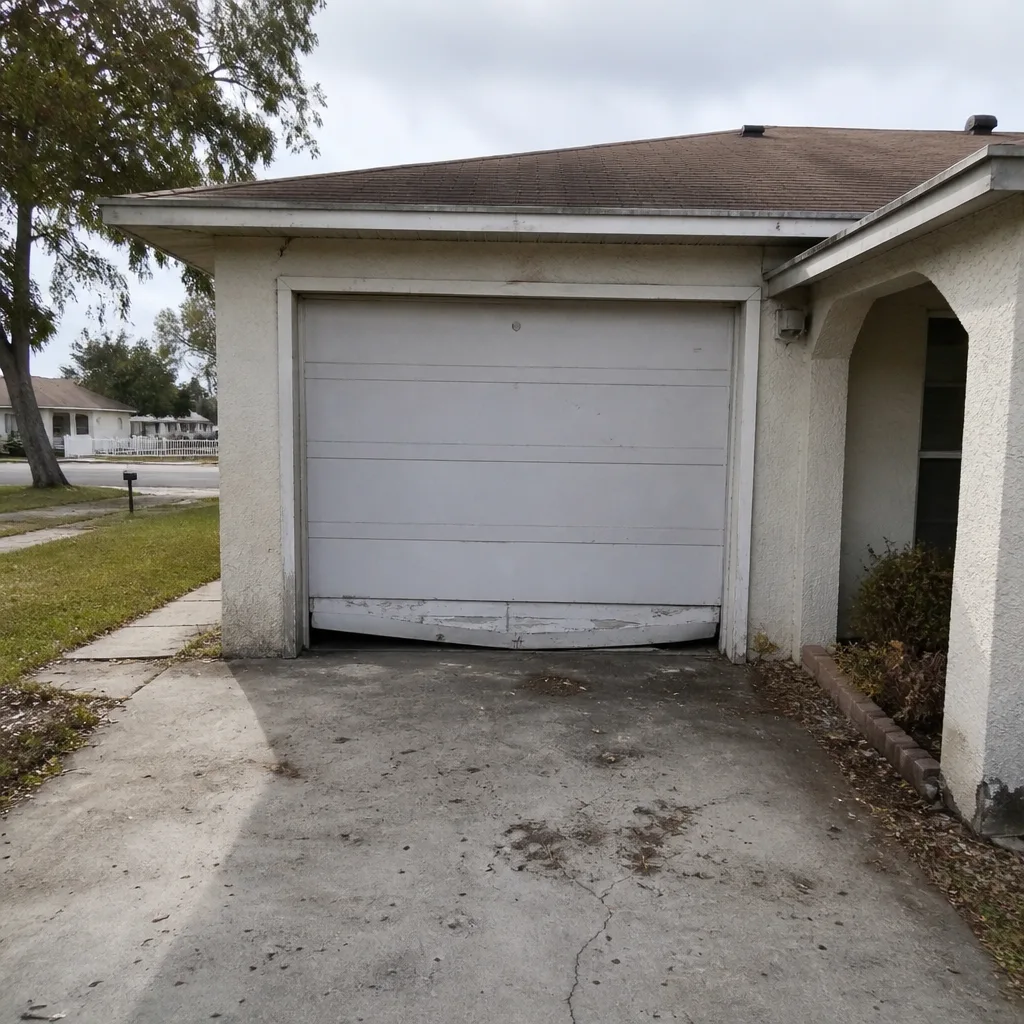 Before
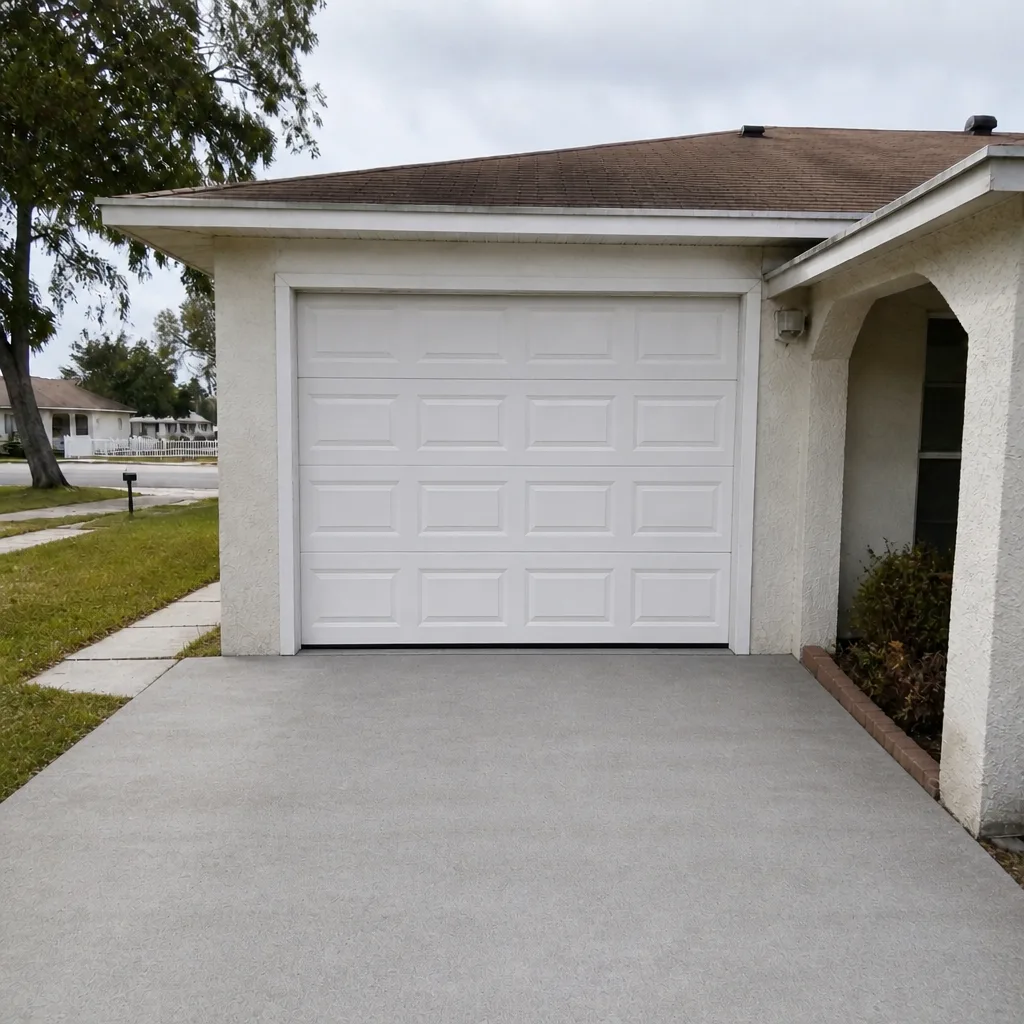 After
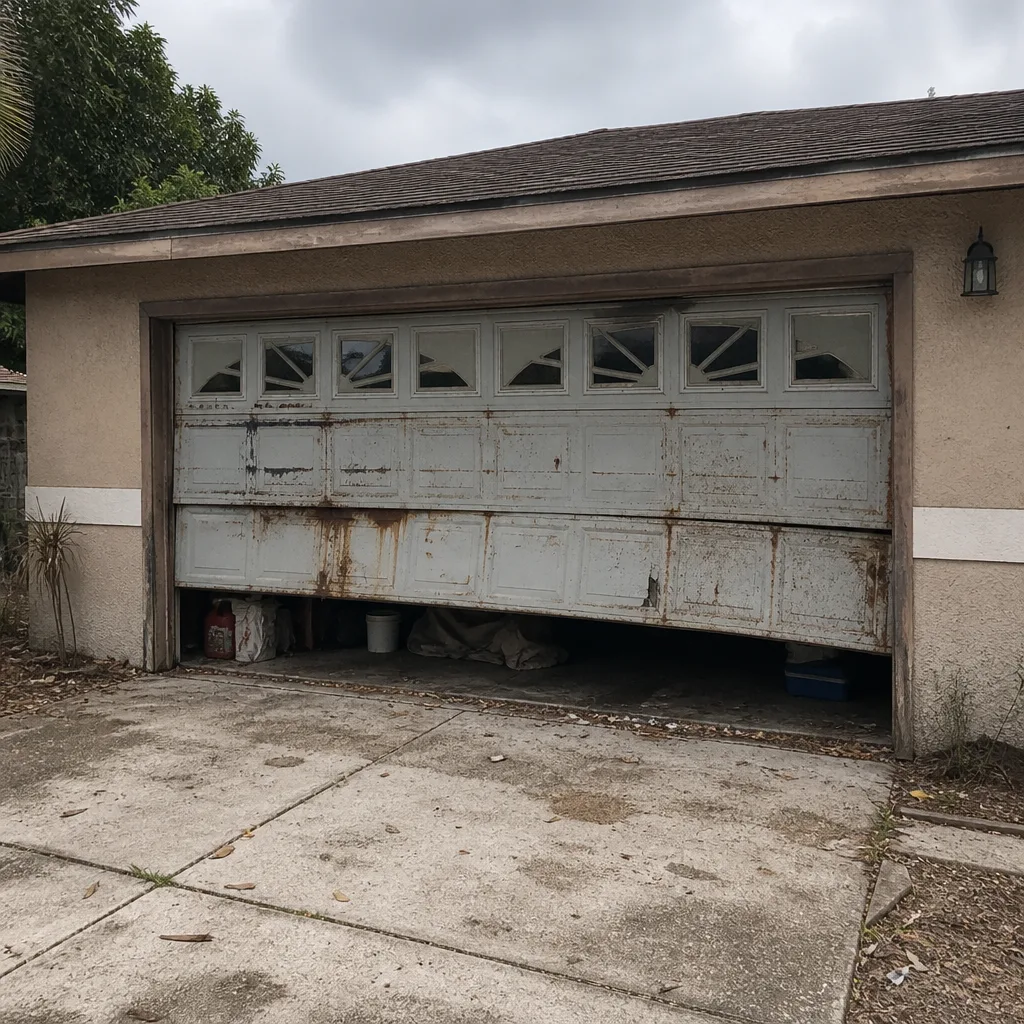 Before
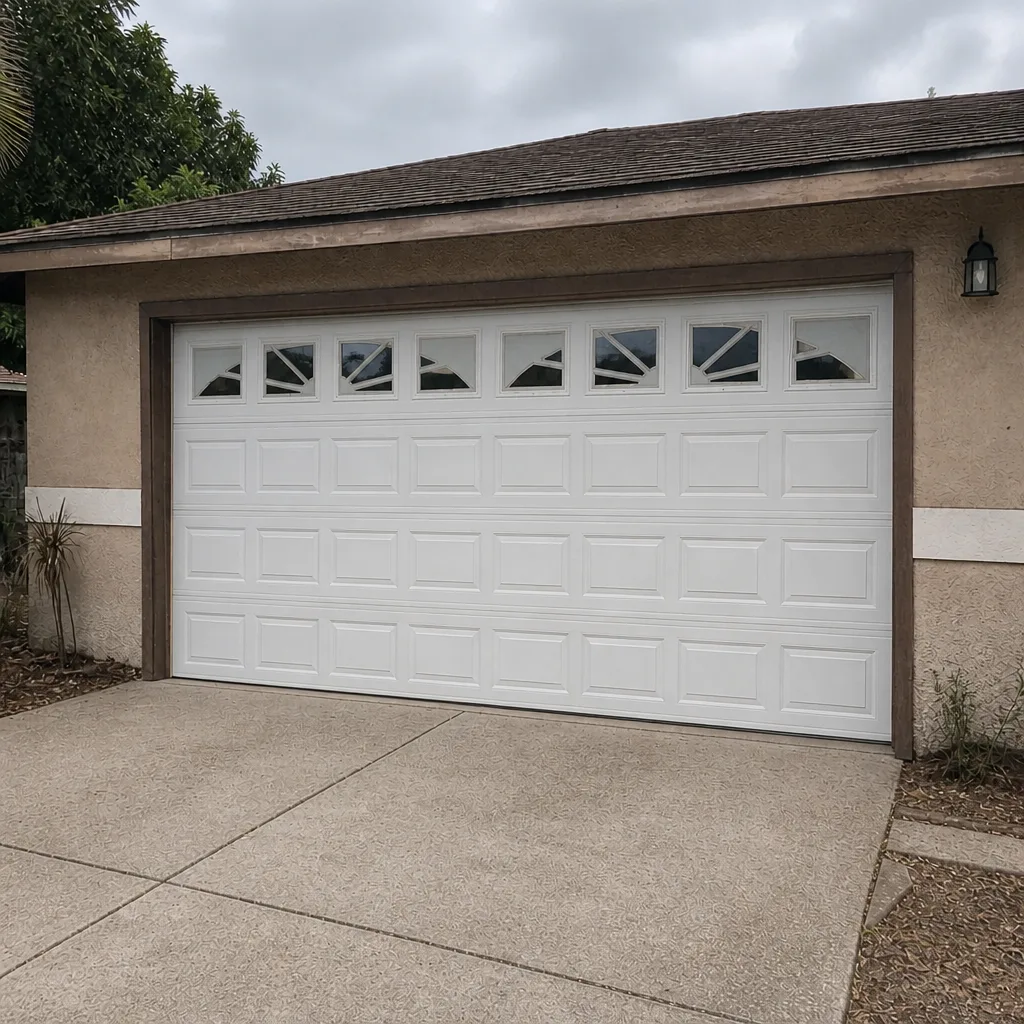 After
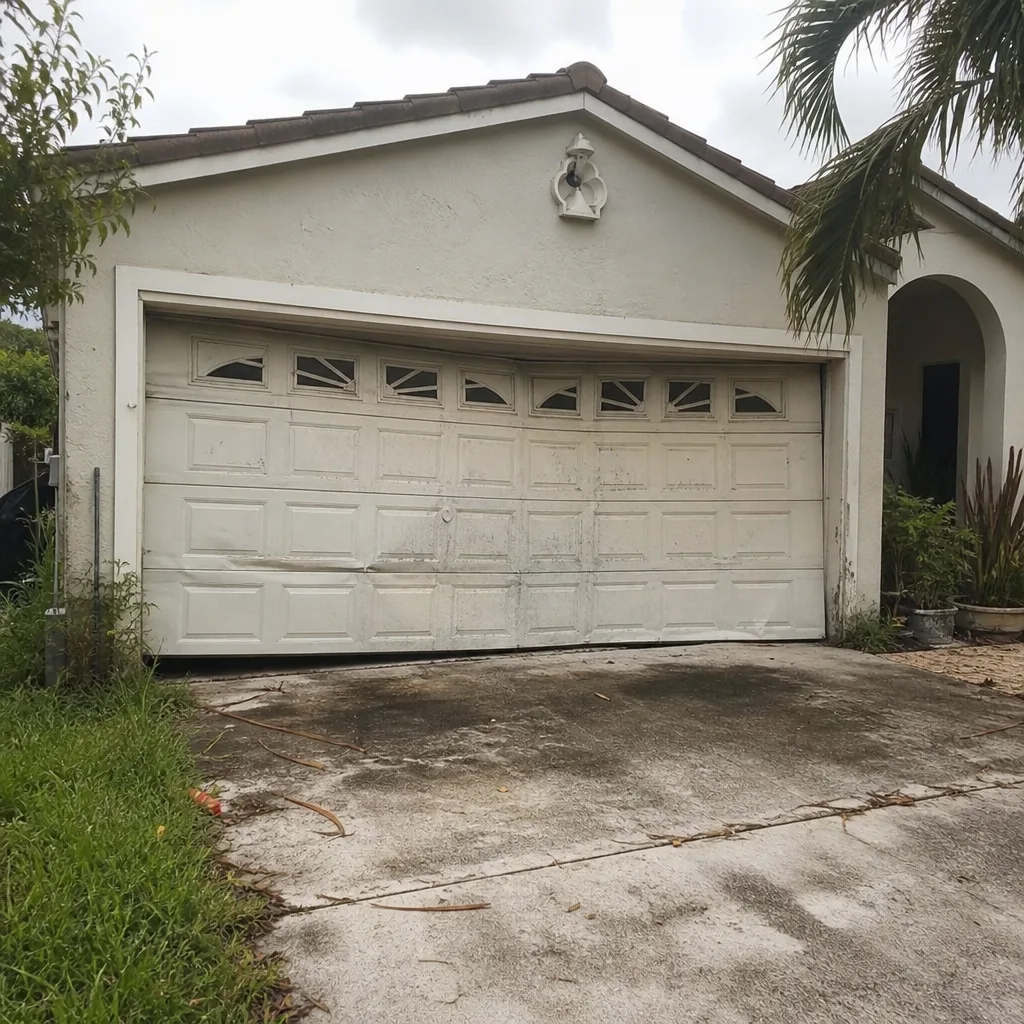 Before
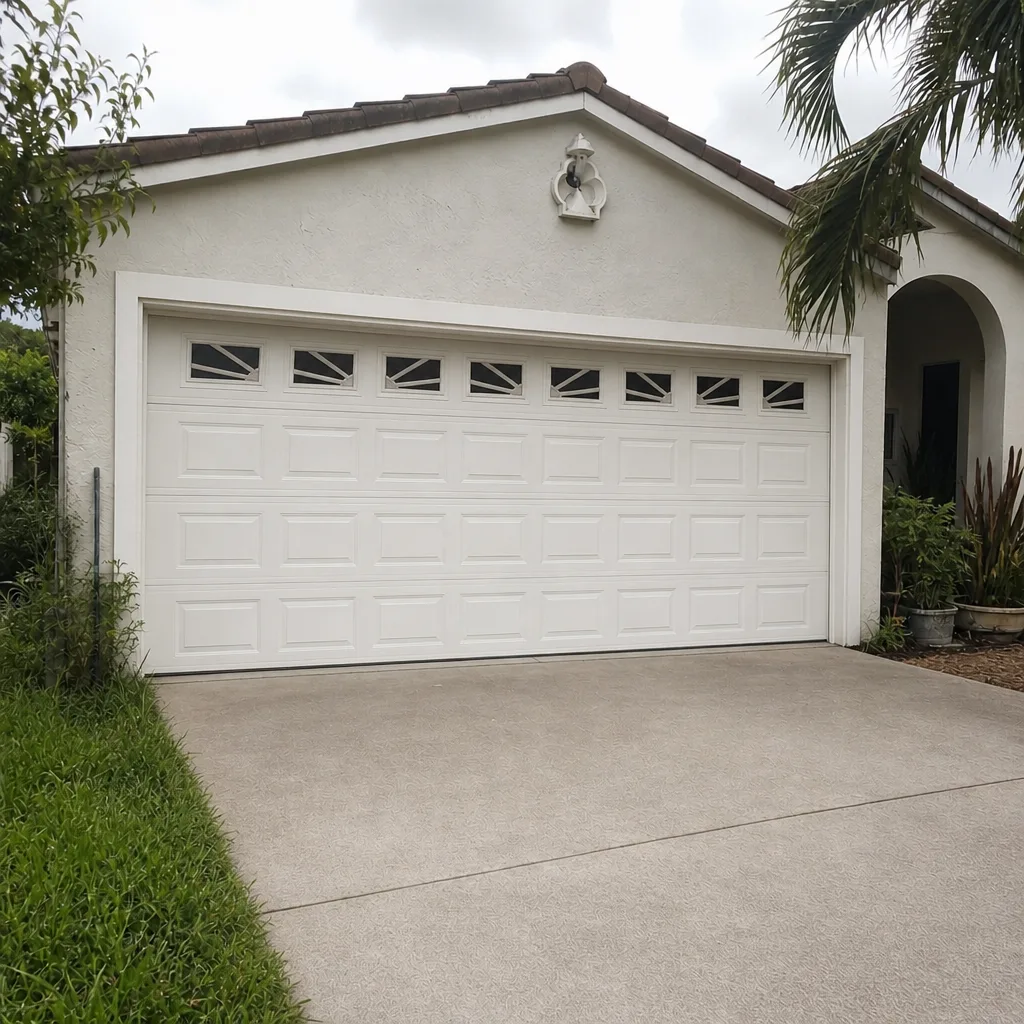 After
When to Call a Professional
Some of this work belongs to a homeowner. Some of it doesn’t. Call a professional for any spring work, any cable work, a door that won’t move at all, a door that reverses or stops halfway repeatedly, and any balance problem you can’t resolve by adjusting the opener. Call us before a spring breaks if you can. A pre-emptive replacement is a scheduled job, not an emergency. When the door won’t move, it’s an urgency – call us right away. Denali Garage Door Repair offers free estimates in Miramar. Call (866) 552-3599. We answer 24/7. Fast dispatch from 7am to 7pm, Sunday through Friday.
Frequently Asked Questions
Most Miramar homes need a homeowner check every three months, lubrication every three months, and a professional inspection once a year. High-use doors, meaning eight or more cycles a day, should move to a quarterly professional check. If your household is on the low end, under four cycles a day, a six-month homeowner check is usually enough for the visual tasks but keep lubrication at three months because of the humidity. Call (866) 552-3599 for an exact quote on any repair – estimates are free.
A standard torsion spring is rated for about 10,000 cycles, and how long that takes depends entirely on how much your door runs. A household at 10 cycles a day reaches that rating in under three years, while a household at four cycles a day gets closer to seven. Humidity doesn’t change the cycle count, but it does accelerate corrosion on the coils, which is why we check for rust blooms every three months here. If you want an assessment of where your springs stand, a free estimate will tell you honestly whether they’re due. Call (866) 552-3599.
Yes, lubricating exposed spring coils and hinge points is safe for a homeowner, using a lithium- or silicone-based lubricant. What you should never do is adjust, wind, or replace a spring yourself. Torsion springs are under heavy tension and a mistake can cause serious injury. Lubrication is a maintenance task; spring service is technician work. Call (866) 552-3599 if you suspect a tension or balance problem – the estimate is free.
Yes, and the difference is significant. Belt drives need no lubrication and should be kept dry, with a yearly tension check. Chain drives need light lubricant once a year and a tension check. Screw drives need light grease on the rail per the manufacturer’s guidance. Matching your maintenance to your actual drive type is one of the most overlooked parts of a garage door schedule. Call (866) 552-3599 if you’re unsure what kind of drive you have – we can identify it during an inspection.
A professional inspection catches cable fraying, bottom-seal compression loss, track bowing, panel and hinge wear, and opener force-setting drift – the things that don’t show up in a walkaround. Those items tend to cause bigger repairs if left alone. A technician also confirms the balance test properly and checks safety reversal. Call (866) 552-3599 to schedule one; estimates are free.
Yes, for repair and emergency work we offer fast dispatch from 7am to 7pm, Sunday through Friday. We’re closed Saturday. New door and opener installations are measured, ordered, and scheduled rather than same-day, with a free measure and a written price before anything is ordered. Either way, the price is quoted and agreed before work starts. Call (866) 552-3599.
The Bottom Line
The right maintenance schedule for a Miramar door is built on three things: how many cycles your door runs per day, what drive type your opener uses, and how the local humidity affects your hardware. The calendar gives you a starting point, not the final answer. Count your cycles, lubricate every three months in the humid season, check your rollers for pitting monthly, and get a professional inspection once a year. If your cycle count is high, plan for spring replacement before the spring decides for you. A door that works isn’t a lucky door. It’s a door somebody looked at.
For help with any part of this schedule, or to book a free estimate, call (866) 552-3599. We answer 24/7. Fast dispatch from 7am to 7pm, Sunday through Friday. We’re your local specialists for Miramar garage doors, and we know these systems down to the brand.
Written by the team at Denali Garage Door Repair.